How to Garden When You’re in Your 70s: Adapting Without Giving Up
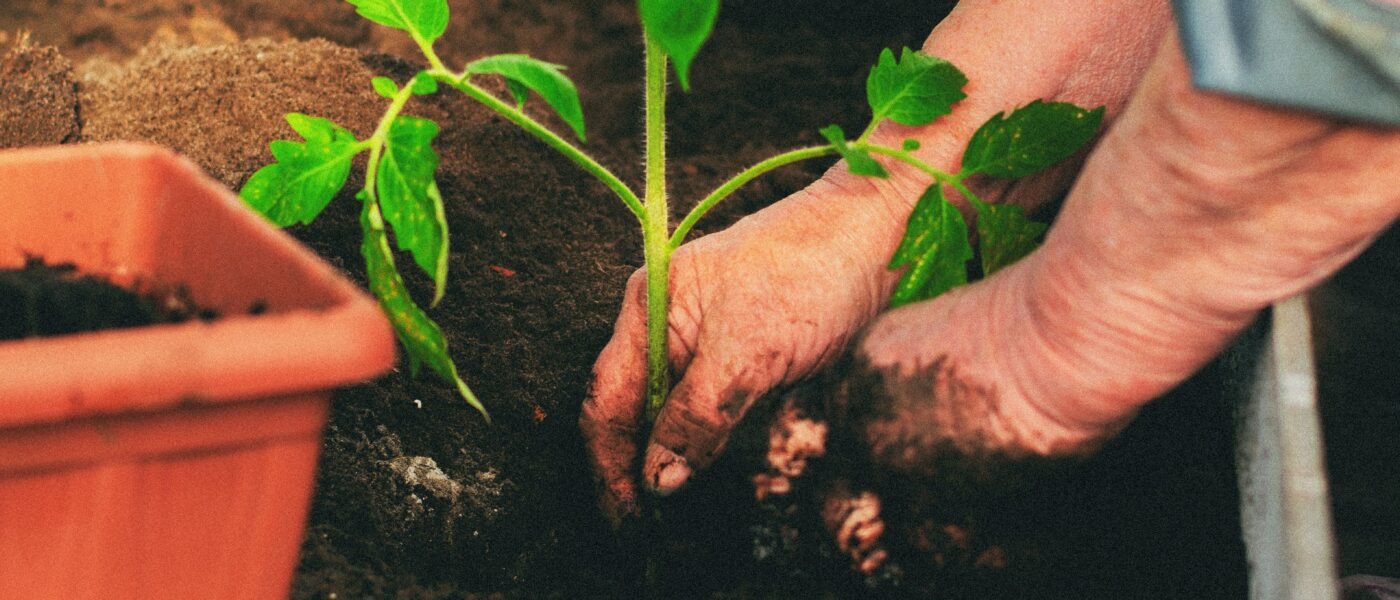
The first and most important adaptation is not physical—it is mental. Most senior gardeners I meet quit not because they lose interest; they quit because nobody told them that the right tools and techniques exist. They assume that gardening must be a full-body workout, a test of endurance. After 15 years in the nursery trade, I can tell you that the best gardeners I ever knew were the ones who learned to work with their bodies, not against them. Gardening in your 70s is about strategic laziness—working smarter, not harder. You need to accept that you will not dig a new bed in one afternoon. You will do it over three days, using a lightweight hoe and a comfortable stool. That is not a failure; it is wisdom.
One of the biggest mistakes I see is seniors trying to replicate their 40-year-old gardening habits. The body requires a new operating manual after 65. If you try to pull a 10-foot-long weed root out of dry soil, you risk a shoulder injury or a fall. Instead, you learn to water the area first, wait 15 minutes, and then use a long-handled weeder that keeps your spine straight. This is the core principle of ergonomic gardening for seniors: reduce leverage, reduce torque, and reduce bending. I learned this the hard way after a particularly bad flare-up in my right hip. I had to step back and redesign my entire garden layout to prioritize accessibility over aesthetics. The result? I actually grew more vegetables that year because I could maintain the beds without pain.
Starting Gardening After Retirement: The First Week Plan
If you have just retired and are thinking about starting a garden, or if you are returning to it after a long break, I have a simple three-day plan that will protect your joints and build your confidence. Do not try to do everything at once. That is the fastest way to feel defeated.
- Day One: Assess and Plan – Spend 30 minutes walking around your yard or balcony with a notebook. Identify areas that are flat, sunny, and easy to access. Do not bend to inspect soil. Use a long-handled tool to poke the ground. Mark potential spots for raised beds. This is non-negotiable for anyone over 70. A raised bed, even just 12 inches high, eliminates 90% of the bending that causes back pain. I built my first raised bed at age 68 using cinder blocks, and it was the single best decision I ever made for my garden.
- Day Two: Gather Ergonomic Tools – Before you dig a single hole, invest in three essential tools: a long-handled weeder (with a forked tip), a stool or kneeler with handles (so you can stand up without using your knees), and a lightweight, self-watering container for herbs or tomatoes. Skip the heavy steel shovel. Look for carbon fiber or aluminum handles. Your joints will thank you. I have a personal rule: if a tool weighs more than three pounds, I do not buy it.
- Day Three: Start Small – Plant just one 4×4 foot bed or three containers. Choose easy crops like bush beans, cherry tomatoes, or marigolds. Water from a hose with a trigger nozzle—no heavy watering cans. Set a timer for 20 minutes. When the timer goes off, stop. Even if you feel fine. This discipline prevents overuse injuries. I have seen too many enthusiastic retirees go hard for two days and then spend a week recovering. Gardening in your 70s is a marathon, not a sprint.
This plan is designed to build momentum without triggering pain. And if you already have a garden that feels overwhelming, do not be afraid to shrink it. I once helped a 74-year-old client reduce her 30-foot perennial border to a 6-foot bed. She cried with relief. She did not lose her passion; she gained back her joy.
The Ergonomic Tool Kit Every Gardener Over 70 Needs
I am often asked, “What is the most important tool for a senior gardener?” The answer is not a specific brand; it is the principle of tool length. If you are standing, your tool handle should reach your waist or higher. If you are sitting, the handle should be short enough to control. Here are the non-negotiable tools I recommend for anyone who wants to garden without pain:
- A Rolling Garden Stool – This is my number one recommendation. A rolling stool with a low center of gravity allows you to sit while weeding, planting, or harvesting. You glide along the edge of a bed without kneeling. I have one with a padded seat and a built-in tool pouch. It changed my life. I can weed an entire bed in 30 minutes sitting down.
- A Long-Handled Weeder (Stand-up Model) – This tool has a claw or forked tip that removes weeds from the root without bending. You stand upright, step on a foot pedal, and pull. It is remarkably effective for dandelions and thistles. I keep one by my back door and use it every morning.
- A Self-Watering Container Set – For seniors with limited mobility, containers are the future. Self-watering pots have a reservoir at the bottom that wicks moisture up to the roots. You only need to refill the reservoir every few days. This eliminates the need to water daily, which is a major source of strain for arthritic hands.
- A Foam Knee Pad (Not a Kneeler) – If you absolutely must kneel (for low-growing strawberries, for example), use a thick foam pad. Avoid the plastic kneelers with handles; they tend to tip over on uneven ground. A simple foam pad distributes pressure evenly and is easy to move.
I cannot stress enough how important it is to test tools before buying. Visit a local garden center and hold the handle. Does it feel too heavy? Too long? Does the grip fit your hand? I once bought a beautiful stainless steel trowel that gave me blisters because the handle was too narrow. After 15 years in the nursery, I should have known better. Learn from my mistake.
Adapting Your Garden Layout for Accessibility
Gardening in your 70s requires a complete rethinking of garden design. Forget the sprawling English cottage garden with winding paths. Think vertical and contained. Here is how to adapt your existing garden or start a new one:
- Raised Beds at Waist Height – If you have the budget, consider waist-high raised beds. These are typically 30-36 inches tall. You can sit on a stool or stand comfortably and work without bending. I built one using cedar planks and it cost about $200. It is worth every penny. You can also use old dressers or metal troughs as raised beds.
- Vertical Trellises for Vines – Grow cucumbers, beans, and peas on trellises. This brings the harvest up to eye level. No more searching through foliage. I have a simple A-frame trellis made of PVC pipe that I can move anywhere.
- Pathways Wide Enough for a Walker – If you use a walker or cane, make sure your garden paths are at least 36 inches wide. Use stable materials like crushed stone or rubber mats. Avoid loose gravel, which can cause falls. I once helped a neighbor widen her path from 24 to 40 inches. She told me it was the first time she felt safe in her garden in years.
- Container Groupings Near the House – Keep your most-used plants—herbs, salad greens, flowers—close to the door. The less distance you have to carry a watering can or a trowel, the less strain on your shoulders and back. My herb containers are on a bench right outside the kitchen door. I harvest basil without stepping onto the grass.
The goal is to reduce the amount of physical labor required to maintain a beautiful garden. You are not a laborer; you are a curator. And a curator does not need to dig every inch of soil.
Managing Arthritis While Gardening: Practical Tips from My Own Journey
I have lived with osteoarthritis in both hands and my left hip for over 15 years. There are days when my fingers feel like they are wrapped in wire. But I still garden. How? I have developed a set of routines that minimize flare-ups. Here is what works for me, and what my doctor at the Arthritis Foundation confirmed is evidence-based:
- Warm up your hands before gardening. I soak my hands in warm water for five minutes before I go outside. This increases blood flow and reduces stiffness. Some people use paraffin wax baths. Even a simple warm towel works.
- Use adaptive grips. I wrap foam tubing around all my tool handles. You can buy it at any hardware store. It thickens the grip, reducing the force your fingers need to exert. I also use tools with pistol-grip handles for pruning.
- Take frequent breaks. I set a timer for 15 minutes of work, then 5 minutes of rest. During the break, I stretch my hands and shoulders. This is not laziness; it is damage prevention.
- Listen to your body. If a joint starts to ache, stop immediately. Do not “push through” the pain. That is how injuries happen. I have learned that a 10-minute session today is better than a 30-minute session that leaves me unable to garden for a week.
I also want to address the fear of falling. Falls are the number one injury risk for seniors in the garden. To mitigate this, I never garden alone without a phone in my pocket. I also use a walking stick with a rubber tip when I am on uneven ground. And I have removed all tripping hazards like exposed roots and loose stones. If you need to, install a grab bar near your garden bench or raised bed. It is not a sign of weakness; it is a sign of wisdom.
Final Thoughts: The Joy of Gardening Without Pain
I want to leave you with a memory. Last spring, I planted a single cherry tomato plant in a self-watering pot on my deck. I sat on my rolling stool, mixed the soil with my hands, and tucked the seedling in. Over the next three months, I watched it grow, watered it from a hose with a trigger nozzle, and harvested over 50 tomatoes without ever kneeling, bending, or hurting. That plant gave me more joy than any sprawling vegetable garden I ever managed in my 40s. Starting gardening after retirement is not about proving anything. It is about nurturing a relationship with the earth that sustains you. And you can do that at any age, in any body, with the right tools and the right mindset. Do not let a little stiffness stop you. Adapt, simplify, and keep growing.
For more detailed advice on choosing the best raised beds for seniors, check out our Related Gardening Guide.
Leave a Reply