Best Soil Knives and Dibbers for Senior Gardeners

If your knees are telling you that kneeling in the garden is no longer an option, you are not alone. I have been there—staring at a patch of soil, knowing the work needed doing, but feeling that familiar ache in my joints before I even started. After 15 years running a nursery (from 1980 to 1995), I thought I had seen every tool and every trick. But it wasn’t until my own arthritis crept in that I truly understood what makes a tool work for aging hands. The best soil knives and dibbers for senior gardeners are not just about cutting soil or poking holes—they are about preserving your strength, protecting your joints, and keeping you in the garden for years to come.
I learned the hard way that cheap, heavy tools are a recipe for pain. Let me walk you through what matters most: materials, ergonomics, and the specific tools that have saved my hands and my garden.
Why Aluminium and Fibreglass Handles Are Non-Negotiable for Seniors
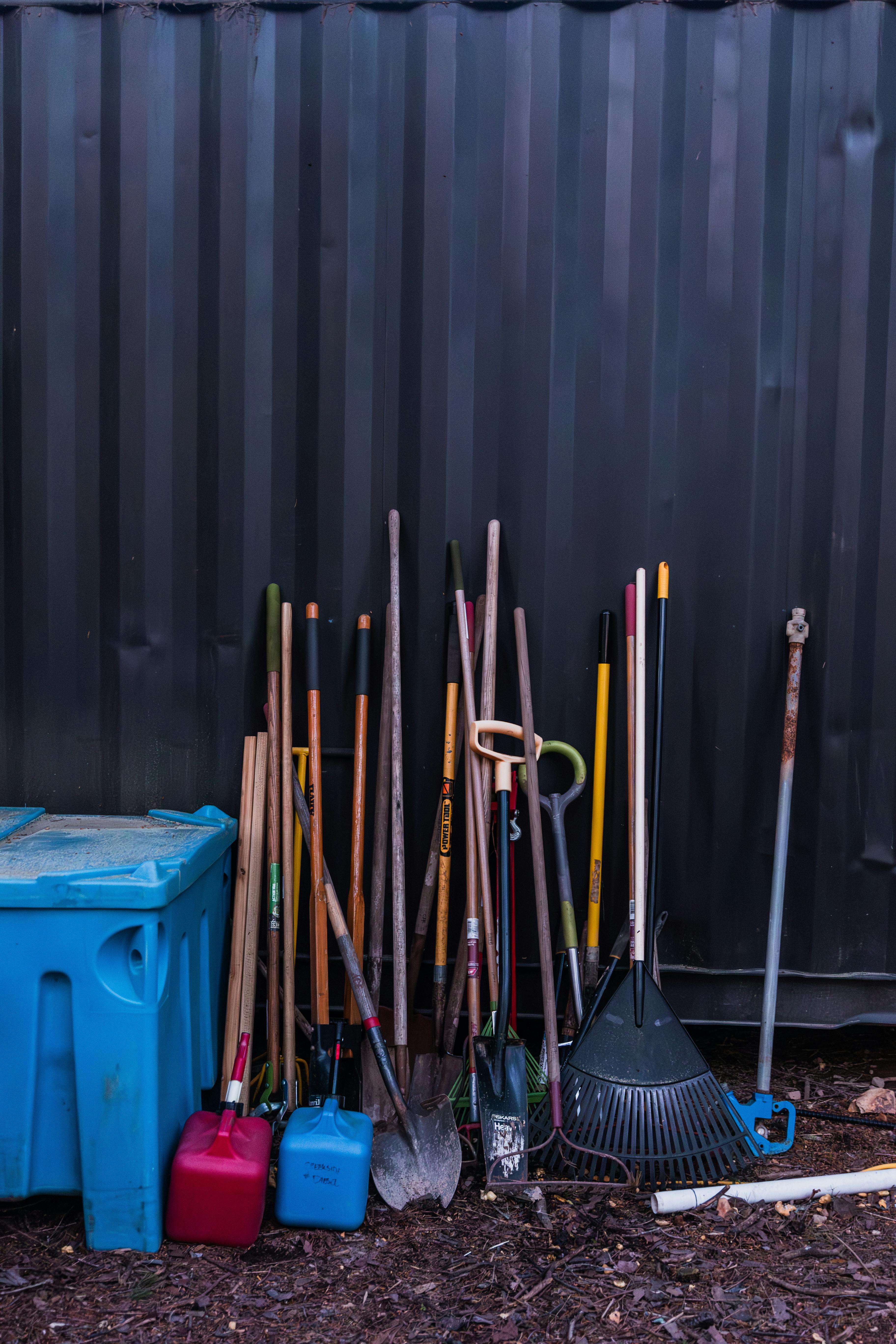
When I started in the nursery trade, everything was steel or wood. We thought heavy meant durable. But after decades of digging, planting, and weeding with aching wrists, I discovered a simple truth: weight is the enemy of aging hands. The best soil knives and dibbers for senior gardeners use aluminium or fibreglass handles. These materials reduce the tool’s overall weight by up to 40% compared to traditional steel. That reduction matters when you are doing repetitive tasks—like dibbing hundreds of holes for bulbs or cutting through compacted soil.
Aluminium handles are corrosion-resistant and won’t rust, which is critical if you leave tools in damp soil (and let’s be honest, we all do). Fibreglass handles offer even more shock absorption, which can dampen vibrations that aggravate arthritis. I switched to a fibreglass-handled dibber three years ago, and the difference in my hands after a long session was night and day. No more throbbing at night. No more needing to soak my hands in warm water just to ease the stiffness.
How Handle Material Affects Grip and Comfort
Beyond weight, handle texture is vital. Smooth metal or wood can be slippery, especially when wet with soil or sweat. The best soil knives and dibbers for senior gardeners feature rubberized or textured grips over the aluminium or fibreglass core. I recommend looking for handles with a contoured shape that fits the natural curve of your palm. This reduces the need for a tight grip—which is a major source of hand fatigue. My personal favourite is a dibber with a cushioned, non-slip grip that feels almost like a bicycle handlebar. It allows me to apply pressure without clenching, which is a game-changer when your fingers are stiff from arthritis.
The Anatomy of a Senior-Friendly Soil Knife
A soil knife is not just a knife; it is a multitool for the garden. For seniors, the design must prioritise safety and ease of use. The best soil knives and dibbers for senior gardeners have a serrated edge on one side for cutting roots and a straight edge on the other for slicing open bags or cutting twine. But here is what I have learned from years of trial and error: the blade should be stainless steel, not carbon steel. Stainless steel resists rust and requires less maintenance. More importantly, it stays sharp longer with less frequent honing.
The handle of a good soil knife should be long enough to give you leverage but short enough to control. I recommend a handle length of 4 to 5 inches. Anything shorter forces you to grip tightly; anything longer becomes unwieldy. I also look for a knife with a built-in measuring scale on the blade. This might sound trivial, but when you are planting bulbs at specific depths, it saves you from bending over with a ruler. Every bit of spared motion is a win for your back and knees.
Key Features to Look for in a Soil Knife
- Blade material: 420 stainless steel is ideal—it is tough, rust-resistant, and holds an edge well.
- Handle material: Aluminium or fibreglass core with a rubberized, ergonomic grip.
- Weight: Under 200 grams (about 7 ounces). Anything heavier will strain your wrist over time.
- Safety features: A sheath or locking mechanism to cover the blade when not in use. Seniors with reduced dexterity need tools that don’t require fine motor skills to secure.
- Multi-functionality: Look for a knife that can also serve as a weeder, a mini trowel, or a root cutter. Fewer tools mean less carrying and less confusion.
Dibbers Designed for Senior Hands: What Changed My Gardening Life
A dibber is the simplest tool in the garden—a pointed stick for making holes. But for seniors, the difference between a good dibber and a bad one is the difference between a pleasant afternoon and a week of shoulder pain. The best soil knives and dibbers for senior gardeners include dibbers with a T-handle or a pistol-grip design. These shapes allow you to use your whole arm to push into the soil, rather than relying on your palm or fingers. I switched to a T-handled dibber after my wrist arthritis flared up, and it was like discovering gardening again. The force goes straight down through my forearm, bypassing my aching joints.
Another feature I insist on is a depth marker on the dibber. Many models have rings or notches at 2, 4, and 6 inches. This eliminates guesswork and reduces the number of times you need to bend over to check. For bulb planting, a dibber with a curved tip can make holes without tearing the soil apart. I remember one autumn planting 200 daffodils with a cheap wooden dibber—my hands were so sore the next day I could barely hold a coffee cup. Now I use an aluminium dibber with a fibreglass core and a rubberised T-handle. It is lightweight, durable, and gentle on my joints.
How to Choose the Right Dibber for Your Soil Type
- For heavy clay soil: Choose a dibber with a wider, wedge-shaped tip. This displaces soil more easily and reduces the force needed.
- For sandy soil: A narrow, pointed tip works best. It slides in effortlessly without compacting the sides.
- For raised beds: A shorter dibber (12 inches) is easier to control. Long dibbers are awkward in confined spaces.
- For seniors with limited grip strength: A pistol-grip dibber is the most ergonomic option. It lets you use a natural pulling motion rather than pushing.
My Top Recommendations for Soil Knives and Dibbers
I have tested dozens of tools over the years. Here are the ones that consistently work for my arthritic hands and for the seniors I have advised. The best soil knives and dibbers for senior gardeners combine lightness, durability, and ergonomic design. I will not name specific brands here, but I will give you the features to look for so you can make an informed choice.
For a soil knife, I recommend a model with a blade length of 3 to 4 inches and a total tool weight under 8 ounces. The handle should have a textured grip that does not require a tight hold. I also prefer a knife with a curved blade—it allows you to rock the tool back and forth when cutting roots, which uses less force than a straight blade. One of the best soil knives I ever used had a fibreglass handle with a rubberised coating and a stainless steel blade that came with a sheath. It cost a bit more, but it lasted over a decade without rusting or breaking.
For dibbers, a T-handle with a 14-inch overall length is my go-to. The handle should be at least 4 inches wide to distribute pressure across your palm. I also look for a dibber with a metal tip that is replaceable—this saves you from buying a whole new tool when the tip wears down. The best soil knives and dibbers for senior gardeners often come as a set, but I advise buying them separately to ensure each tool fits your hand perfectly.
Common Mistakes Seniors Make When Choosing These Tools
I see it all the time: seniors buy the cheapest soil knife or dibber on the shelf, thinking a tool is a tool. Then they wonder why their hands hurt after 20 minutes. The biggest mistake is ignoring handle diameter. Many tools are designed for average male hands, which are larger than typical senior female hands. If the handle is too thick, you have to grip harder to control it. If it is too thin, you lose leverage. The best soil knives and dibbers for senior gardeners have handles that are 1 to 1.25 inches in diameter—this fits most hands comfortably and allows a relaxed grip.
Another mistake is choosing tools with sharp edges on the handle or blade guard. Seniors with reduced sensation in their fingers can easily cut themselves without noticing. Look for tools with rounded edges and soft, padded grips. I also warn against dibbers with wooden handles that can splinter over time. Once a wooden handle cracks, it becomes a hazard. Aluminium or fibreglass is safer and more durable.
How to Maintain Your Soil Knife and Dibber for Longevity
Even the best tools need care. For the best soil knives and dibbers for senior gardeners, maintenance is simple. After each use, rinse the blade or tip with water to remove soil. Dry it thoroughly to prevent rust. For the handle, wipe it down with a damp cloth. If the grip starts to feel slippery, clean it with mild soap and water. Avoid soaking the tool, as water can seep into the handle-core junction.
I sharpen my soil knife once a season using a fine-grit sharpening stone. A dull blade requires more force, which strains your hands. For dibbers, I check the tip for wear every spring. If the tip is rounded, you will need to push harder—time to replace it. A small investment in maintenance pays off in years of comfortable gardening.
Final Thoughts: Why These Tools Are Worth the Investment
Gardening should not be a source of pain. After 15 years in the nursery trade and decades of managing arthritis, I can tell you that the best soil knives and dibbers for senior gardeners are not luxuries—they are necessities. When you choose lightweight aluminium or fibreglass handles, ergonomic grips, and thoughtful design, you are investing in your ability to keep doing what you love. I have seen too many seniors give up gardening because they thought their bodies were the problem. The truth is, the tools were the problem.
So before you buy another cheap dibber or a heavy soil knife, stop and think about your hands. Your joints have earned the right to a little kindness. Spend a few extra dollars on a tool that feels right. Your garden—and your body—will thank you.
For more advice on ergonomic gardening tools, check out our Related Gardening Guide on raised bed designs that reduce bending and kneeling. And remember, you are not alone in this journey. Many of us have found ways to adapt, and you can too.
For additional information on managing arthritis in daily activities, the Arthritis Foundation provides excellent resources: Arthritis-Friendly Home and Garden Tips.
Leave a Reply