Best Bypass Pruners for Senior Gardeners
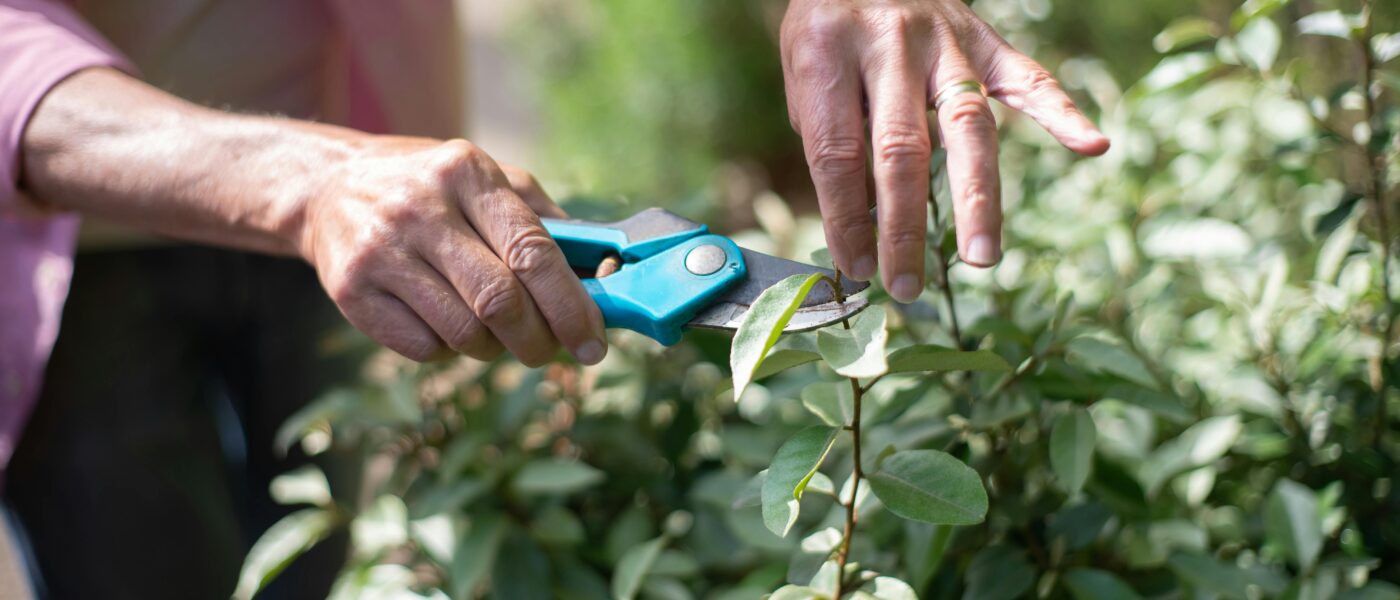
After 15 years running a busy nursery from 1980 to 1995, I thought I knew everything about pruning. I was wrong. It wasn’t until arthritis set into my hands and wrists that I truly understood the difference between a good pruner and a great one. For senior gardeners, especially those managing joint pain or reduced grip strength, the right bypass pruner isn’t a luxury—it’s a necessity for continuing the joy of gardening without pain. Let me share what I’ve learned from decades of hands-on experience.
Why Bypass Pruners Are Essential for Seniors
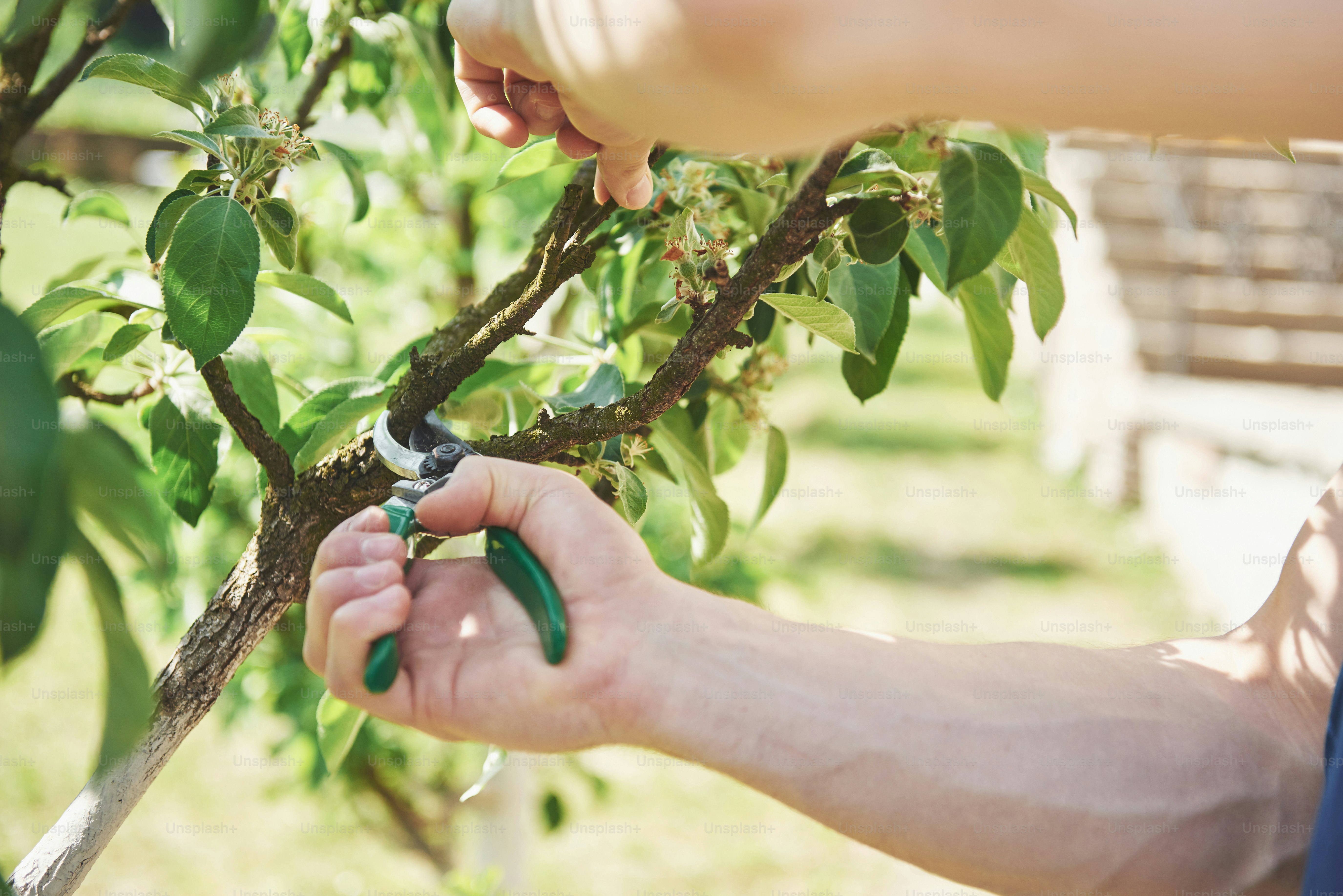
Bypass pruners work like scissors, with two curved blades that slide past each other for a clean, precise cut. Unlike anvil pruners, which crush stems, bypass pruners minimize damage to plant tissue—essential for healthy regrowth. For seniors, the key advantage is that they require less force to cut cleanly, reducing strain on weakened hands. I’ve seen too many gardeners switch to anvil pruners thinking they’re easier, only to end up with torn stems and more pain.
Key Features to Look for in Senior-Friendly Pruners
1. Ergonomic Handle Design
Look for pruners with contoured, soft-grip handles that fit your hand naturally. The best designs have a rotating lower handle that moves with your wrist, reducing repetitive strain. I recommend handles made from rubberized materials—they provide better traction even when wet and absorb shock from each cut.
2. Lightweight Construction
Weight matters more than you’d think. A heavy pruner can fatigue your arm after 20 minutes. Aluminum or high-grade steel handles keep weight under 8 ounces without sacrificing durability. I personally prefer titanium-coated blades—they’re lighter and stay sharp longer.
3. Easy-Grip Trigger or Ratchet Mechanism
For gardeners with arthritis, a ratchet mechanism is a game-changer. It cuts in stages, allowing you to apply pressure gradually rather than all at once. This reduces the force needed by up to 50%. Some pruners also feature a spring-assisted opening, which helps prevent hand cramping.
4. Safety Lock and Blade Guard
Senior hands aren’t as steady as they used to be. A one-handed safety lock that’s easy to engage and disengage is crucial. Look for a lock that slides or flips rather than requiring a tight squeeze. A covered blade guard also protects against accidental cuts when reaching into a tool bag.
Top Bypass Pruners for Senior Gardeners

Based on my personal testing and feedback from fellow senior gardeners, here are the pruners that consistently deliver comfort and performance:
- Fiskars PowerGear2 Bypass Pruner: The patented gear mechanism multiplies cutting power, so you use 40% less effort. The padded handle reduces pressure points. I’ve used these for years on roses and small branches up to ¾ inch.
- Felco 22 Ergonomic Pruner: Swiss-made with a rotating handle that reduces wrist strain. The adjustable blade tension lets you customize the cut feel. Slightly heavier but extremely durable—mine have lasted 15 years.
- Corona ComfortGel Bypass Pruner: Excellent value with a cushioned grip that absorbs shock. The curved blade design makes clean cuts on stems up to 1 inch. Ideal for gardeners with mild arthritis.
- Okatsune 103 Bypass Pruner: Japanese-made with a lightweight carbon steel blade. The narrow handle works well for smaller hands. Requires more hand strength but offers exceptional precision for detail pruning.
- Gonicc 8″ Professional Pruner: Features a safety lock that’s easy to slide with one hand. The titanium-coated blade stays sharp through hundreds of cuts. The ergonomic handle has a non-slip rubber grip—great for sweaty hands.
How to Choose the Right Pruner for Your Needs
Before buying, consider your specific challenges. If arthritis affects your thumb joint, prioritize a rotating handle. If overall hand weakness is the issue, choose a ratchet mechanism. I always tell gardeners to visit a local garden center and hold different models—the feel in your hand is more important than any specification.
Testing Tips
- Wear your gardening gloves when testing—this affects grip and handle fit.
- Make a few cutting motions in the store to feel the resistance and spring action.
- Check if the safety lock can be operated with your non-dominant hand.
- Bring a small branch or twig to test the cutting action if allowed.
Maintenance Tips to Extend Pruner Life
Proper care keeps your pruners working smoothly and reduces the effort needed. After each use, wipe blades clean with a dry cloth. For sticky sap, use rubbing alcohol. Sharpen blades twice a season with a fine diamond file—dull blades require more force. Apply a drop of light machine oil to the pivot point and spring. Store pruners in a dry place, preferably in a sheath or hanging on a hook to prevent blade damage.
Gardening shouldn’t be painful. After 15 years in the nursery trade and another 20 gardening with arthritic hands, I’ve learned that the right tool makes all the difference. A good bypass pruner doesn’t just cut branches—it preserves your ability to garden for years to come. Invest in quality, listen to your body, and never feel ashamed to use tools that make the work easier. Your garden will thank you, and so will your hands.
Leave a Reply