Best Battery-Powered Garden Tools for Seniors: No More Strain

When I started gardening in the 80s, everything was gas or manual. Pulling a cord to start a trimmer was a chore in itself. Battery-powered tools have transformed the experience. They’re lighter, quieter, and start with a simple press of a button. For seniors dealing with arthritis, reduced grip strength, or balance issues, this is a revolution. No more fumes, no more trips to the gas station, and no more fighting with tangled cords. Lithium-ion batteries hold a charge for a full session, and many tools have interchangeable batteries, so you can swap and keep going. The key is choosing tools that fit your body and your garden’s size.
Top Battery-Powered Tools Every Senior Should Consider

Based on my years of testing and adapting, here are the essential battery-powered tools that reduce strain and maximize enjoyment. I’ve focused on tools that are easy to handle, have adjustable features, and come from reputable brands with reliable batteries.
1. Battery-Powered Pruning Shears
These are a lifesaver for anyone with hand arthritis. Traditional pruners require repeated squeezing, which can trigger pain. Battery-powered shears cut through branches up to 1 inch thick with a simple trigger pull. I recommend models with a rotating head to reduce wrist strain and a safety lock to prevent accidents. Look for a lightweight design (under 2 pounds) and a battery that lasts for at least 200 cuts per charge. Brands like Felco and Black+Decker offer excellent options, but always test the handle grip in your hand first.
2. Cordless Leaf Blower
Raking leaves can be a back-breaking task for seniors. A battery-powered leaf blower lets you clear paths and patios without bending or lifting. Choose a model with variable speed control so you can adjust airflow for different tasks, from sweeping light debris to moving wet leaves. Weight matters—aim for under 5 pounds. A shoulder strap or harness is a bonus for distributing weight. I’ve found that a 40-volt battery provides enough power for a typical suburban yard without being too heavy.
3. Battery-Powered Hedge Trimmer
Overgrown hedges are a common frustration. A cordless hedge trimmer with a narrow blade (around 18-20 inches) is easier to control than a long one. Look for a rotating handle that lets you adjust the angle for vertical or horizontal cuts, reducing arm fatigue. Anti-vibration technology is crucial for arthritic hands. I suggest testing the balance before buying—the best models have the battery positioned near the center for even weight distribution.
4. Battery-Powered String Trimmer
Edging along flower beds and walkways is easier with a lightweight string trimmer. For seniors, look for a model with a telescoping shaft to adjust height and a curved shaft for better balance. A bump-feed head that advances line automatically saves you from bending. Many brands now offer a “low-vibration” feature, which I highly recommend. A 20-volt battery is usually enough for small lawns, but a 40-volt gives more power for thicker weeds.
5. Battery-Powered Chainsaw (Mini)
For cutting small branches or firewood, a mini battery-powered chainsaw (around 10-12 inches) is ideal. It’s much lighter than a gas model and starts instantly. Look for a tool with a chain brake for safety and an automatic oiler. I advise sticking to models under 8 pounds to avoid arm strain. Always use both hands, and consider a telescoping handle for reaching higher limbs without a ladder.
6. Battery-Powered Cultivator
Turning soil in raised beds or containers is tough on the back. A cordless cultivator with rotating tines loosens soil without heavy digging. Choose a model with adjustable depth settings and a handle that can be angled to reduce stooping. Weight is critical—look for under 10 pounds. This tool is perfect for seniors who love vegetable gardening but struggle with manual tilling.
Key Features to Look for in Senior-Friendly Garden Tools
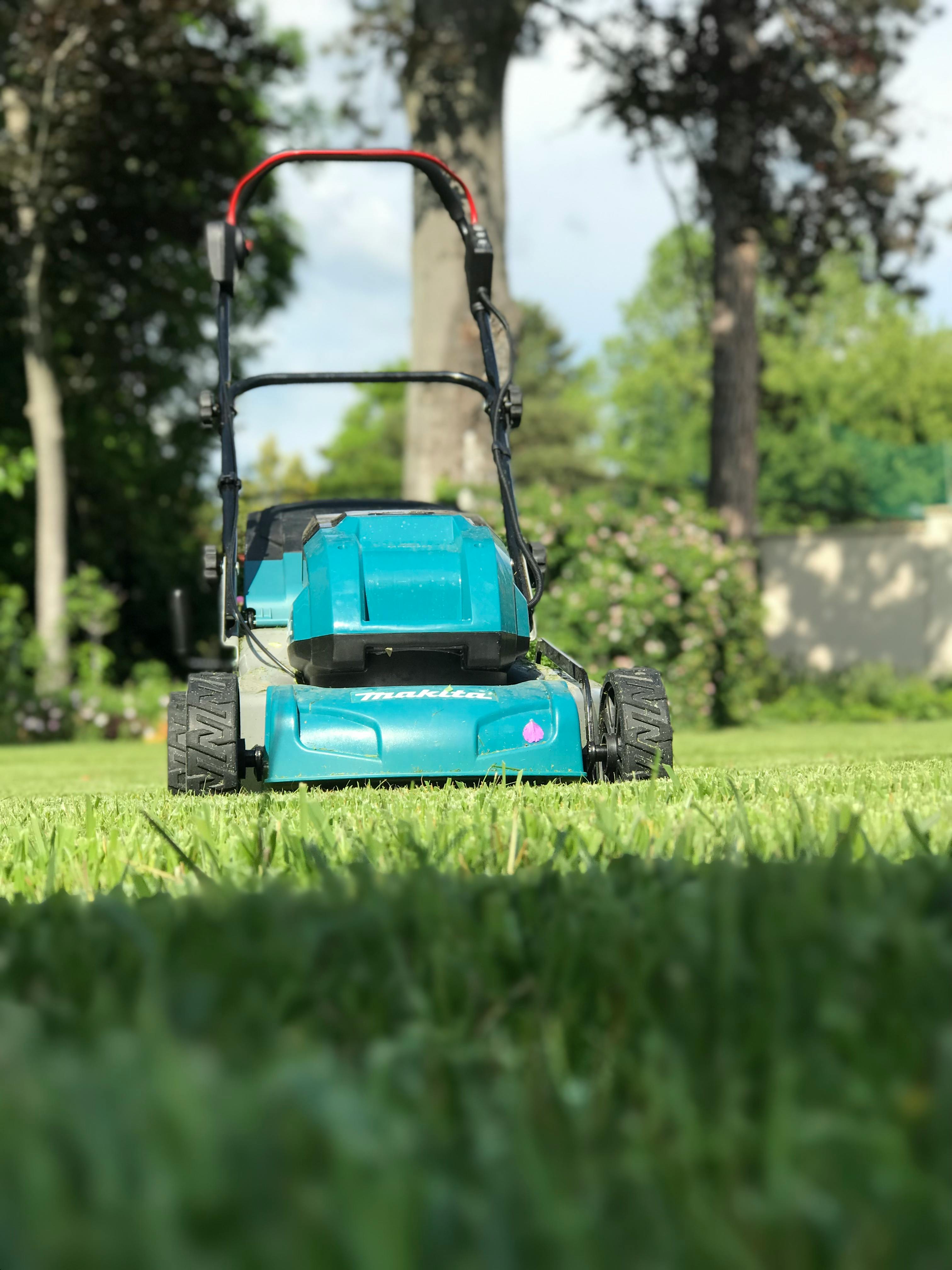
Not all battery-powered tools are created equal. Over the years, I’ve learned what makes a tool safe and comfortable for aging hands. Here’s what to prioritize:
- Lightweight Design: Aim for tools under 10 pounds, especially for overhead work like trimming.
- Ergonomic Handles: Look for soft, rubberized grips that fit your hand without slipping. A D-shaped or pistol-grip handle reduces wrist twisting.
- Low Vibration: Vibration can aggravate arthritis. Choose models with built-in anti-vibration technology or rubber dampeners.
- Easy-Start Mechanism: A simple push-button or trigger start is non-negotiable. Avoid tools that require a key or complicated sequence.
- Interchangeable Batteries: Stick with one battery system across tools (e.g., 20V or 40V) to reduce cost and clutter. A spare battery extends your work time.
- Adjustable Length or Angle: Telescoping handles or rotating heads let you work in the most comfortable position, reducing strain on your back and neck.
- Safety Features: Look for automatic shut-offs, safety locks, and guards. A low-battery indicator helps you avoid unexpected stops.
How to Choose the Right Battery System
The battery is the heart of any cordless tool. I’ve seen many seniors buy multiple tools with incompatible batteries, leading to frustration. Here’s my advice: invest in a brand that offers a shared battery platform. For example, Ryobi’s 40V system works across their entire line of outdoor tools. DeWalt’s 20V system is also popular and powerful. Consider the voltage: 20V is fine for light trimming and pruning, while 40V or 60V is better for heavier tasks like chain sawing or blowing leaves. Always buy a spare battery—lithium-ion batteries lose capacity over time, and having a backup ensures you never get stuck mid-job. Look for batteries with a charge time of under 2 hours.
Tips for Safe and Comfortable Gardening with Battery Tools
Even with the best tools, proper technique prevents injury. Here are my tried-and-true tips from managing my own arthritis:
- Warm Up First: Stretch your hands, wrists, and shoulders for 5 minutes before starting. Gentle rotations and finger spreads reduce stiffness.
- Take Breaks: Use a timer to remind yourself to rest every 15-20 minutes. Stand up straight, shake out your hands, and hydrate.
- Use a Cart or Wheelbarrow: Don’t carry tools from the shed to the garden. A lightweight cart with wheels saves your back.
- Work in Sections: Tackle one small area at a time. This prevents fatigue and lets you enjoy the process.
- Maintain Your Tools: Keep blades sharp and batteries charged. Dull tools require more force and increase strain.
- Dress for Comfort: Wear gloves with padded palms, supportive shoes, and a hat. Knee pads or a gardening stool are essential for low work.
Common Mistakes Seniors Make with Battery Tools (and How to Avoid Them)
I’ve seen many well-intentioned gardeners struggle with cordless tools. Here are the pitfalls to avoid:
- Buying Too Much Power: A 60-volt chainsaw might be overkill for pruning a few branches. Stick to lower voltage for light tasks to save weight.
- Ignoring Weight Distribution: A tool that’s front-heavy will tire your arms quickly. Test the balance in-store if possible.
- Skipping the Manual: Learn how to adjust handles, change blades, and charge batteries properly. Many injuries come from misuse.
- Forgetting to Charge: Set a schedule—charge batteries after each use, even if they’re not empty. This prolongs battery life.
- Overreaching: Use a step stool or extension handle for high branches instead of stretching. Falls are a major risk for seniors.
My Personal Recommendations for Seniors
After years of testing, here are the models I trust most for comfort and reliability. Note that specific models change, so always check current reviews and ergonomic features:
- For Pruning: Felco 805 Battery Shears (lightweight, rotating head, low vibration).
- For Light Trimming: Black+Decker 20V Cordless String Trimmer (curved shaft, adjustable handle, under 5 lbs).
- For Leaf Cleanup: EGO Power+ 56V Leaf Blower (variable speed, shoulder strap, long battery life).
- For Hedges: Ryobi 40V Hedge Trimmer (anti-vibration, rotating handle, narrow blade).
- For Cultivating: Sun Joe TJ604E 24V Cordless Cultivator (adjustable depth, lightweight, easy to maneuver).
Gardening shouldn’t be a source of pain—it should be a source of joy and connection to nature. Battery-powered tools have given me a second chance to tend my garden without the agony of arthritis. By choosing lightweight, ergonomic designs and a shared battery system, you can eliminate the strain that kept you indoors. Start with one or two essential tools, like pruning shears and a leaf blower, and build from there. Your garden will thank you, and so will your body. Remember, the best tool is the one you can use comfortably for years to come.
Leave a Reply