How To Set Up A Retirement Garden That’S Easy On Y | Retirem
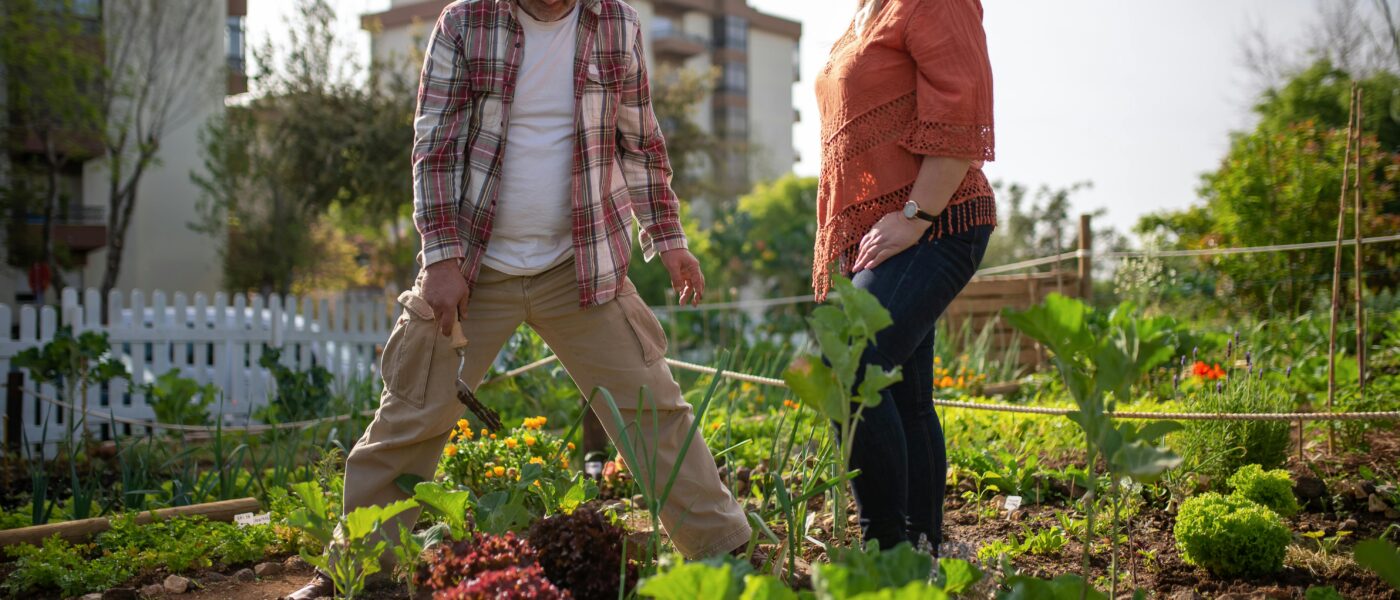
Gardening is proven to lower blood pressure, reduce stress, and keep you active. But traditional gardening methods—bending, kneeling, gripping—can accelerate joint pain. I learned this the hard way. After my arthritis diagnosis, I spent a season trying to “push through” the pain. That was a mistake. A retirement garden should be a sanctuary, not a source of suffering. The goal is to design a space that works with your body, not against it.
Step 1: Elevate Your Growing Space
The single most important change you can make is to bring the plants up to you. Bending to ground level is the primary cause of back and knee strain. Here’s how to elevate your garden:
- Raised Beds at 24-30 inches high: This is the ideal height for standing work. You can lean over without bending your back. Build them yourself or buy pre-assembled kits. I recommend cedar or composite wood for durability.
- Vertical gardening: Use trellises, wall-mounted planters, or hanging baskets for vining crops like tomatoes, beans, and cucumbers. This reduces bending to the ground and improves airflow.
- Container gardening on tables: Place large pots on sturdy tables or rolling carts. This allows you to work at waist height. I use this for herbs, peppers, and lettuce.
Pro tip from my nursery days: Always leave a 2-foot path between raised beds for a wheeled stool or cart. You’ll thank yourself later.
Step 2: Choose Easy-Care Plants
Not all plants are created equal when it comes to maintenance. Avoid high-maintenance varieties that require constant deadheading, staking, or heavy pruning. Focus on these categories:
- Perennials that return every year: Lavender, coneflower, black-eyed Susan, and daylilies. They need minimal care once established.
- Dwarf and compact varieties: Look for “patio” or “dwarf” labels on vegetables and shrubs. They require less pruning and are easier to reach.
- Native plants: They are adapted to your local climate, meaning less watering, fertilizing, and pest control. Check with your local extension office for recommendations.
- Self-cleaning flowers: Varieties like petunias and geraniums drop spent blooms on their own, saving you hand work.
What to avoid: Large, sprawling plants like indeterminate tomatoes or aggressive vines that need constant tying. Stick to bush varieties.

Step 3: Invest in Ergonomic Tools
This is where my arthritis experience pays off. Standard garden tools are designed for men in their 20s—not for aching hands. Replace them with ergonomic alternatives. I have reviewed dozens of tools on this site (see our full tool review guide for details). Here are the non-negotiables:
- Long-handled tools: Use a 36- to 48-inch handle for weeding, planting, and cultivating. This eliminates bending. Look for padded, non-slip grips.
- Ratchet pruners: These cut through branches with a gear mechanism that reduces hand force by 50%. I cannot overstate how much they help.
- Lightweight watering wand: A 30-inch wand with a trigger grip allows you to water without lifting heavy cans. Attach it to a hose with a shut-off valve.
- Kneeler seat: A padded seat that flips over to become a low kneeler. Use it for close-up work. Always choose one with handles to help you stand back up.
My personal rule: If a tool makes your hand ache after 10 minutes, throw it out. Your joints are worth more than a cheap tool.
Step 4: Create a Comfortable Work Flow
Your garden layout should minimize unnecessary movement and strain. Think about how you’ll move through the space:
- Wide, stable paths: Make pathways at least 3 feet wide to accommodate a wheeled stool or walker. Use non-slip surfaces like decomposed granite or rubber mats.
- Workstations: Place a potting bench or table near the garden. Store tools, pots, and soil in one spot so you don’t carry them across the yard.
- Seating areas: Add a bench or chair in a shaded spot. Take breaks every 15-20 minutes. I sit down to deadhead or prune when possible.
- Water access: Install a hose bib or rain barrel near your main growing area. Carrying water is a major strain—avoid it.
Sequence tip: Do your heavy tasks (digging, moving soil) early in the day when joints are loosest. Save light tasks (weeding, deadheading) for later.
Step 5: Adopt Smart Gardening Techniques
How you work matters as much as what you use. These techniques come from my own trial and error:
Use the “No-Dig” Method
Instead of tilling or turning soil, layer compost and mulch directly on top. This builds soil health without the heavy lifting. I haven’t used a shovel in years. Start with a layer of cardboard to smother weeds, then add 6 inches of compost.
Practice “Sit-and-Grow” Gardening
Use a rolling garden stool (like a mechanic’s creeper) to move along a row of plants. You can weed, plant, and harvest while seated. This saves your knees and back.
Water Strategically
Install drip irrigation or soaker hoses. This waters at the root level, reducing the need for heavy watering cans and preventing fungal diseases. Set it on a timer for automation.
Mulch Heavily
Apply 2-3 inches of organic mulch (wood chips, straw) around plants. This suppresses weeds, retains moisture, and reduces the need for weeding—the most repetitive and painful task.
Step 6: Build a Support System
You don’t have to do everything alone. A retirement garden can be a community effort:
- Ask for help with heavy jobs: Have a neighbor, family member, or local teenager help with turning compost, moving bags of soil, or building structures.
- Join a garden club: Many have tool-sharing programs and volunteer assistance for seniors. You’ll also get advice from people who understand your limitations.
- Use adaptive aids: Consider a garden cart with large wheels, a long-handled grabber for picking up fallen fruit, or a stool with a built-in tool caddy.
My favorite hack: Keep a small bucket of tools and a water bottle near each garden bed. This saves trips back and forth, which adds up over a season.
Setting up a retirement garden that’s easy on your body is not about giving up—it’s about adapting. I’ve been doing this for 15 years since my nursery days, and I still grow tomatoes, peppers, and flowers every season. The key is to prioritize your comfort over tradition. Start with one raised bed, invest in one ergonomic tool, and see how it feels. Your body will thank you, and your garden will still thrive.
For detailed recommendations on the best ergonomic tools for seniors, including my personal top picks for pruners, trowels, and kneelers, visit our complete tool review guide. Your joints will thank you.
Leave a Reply