Best Sun Protection Gear for Senior Gardeners – Hats, Cool Clothing, and Sunscreen
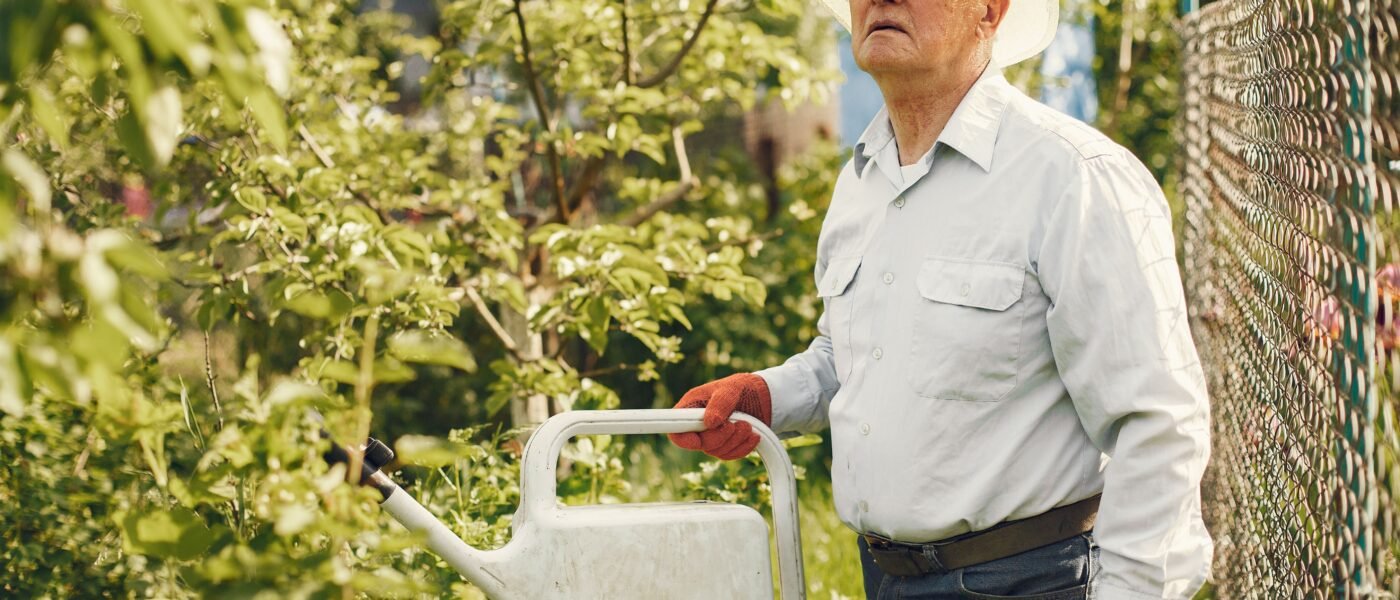
If your arthritic hands are telling you that gripping a trowel for more than ten minutes is no longer enjoyable, you’re not alone—but there’s another silent enemy that sneaks up on us in the garden long before joint pain does. The best sun protection gear for senior gardeners isn’t just about comfort; it’s about survival. I learned this the hard way twenty years ago, when a routine afternoon of weeding left me with a sunburn that took weeks to heal and a dermatologist’s lecture I’ll never forget.
I’d spent decades hauling flats of petunias and digging holes without a second thought about UV exposure. But when arthritis started settling into my shoulders and knees in my late fifties, I realized I had to change not just how I moved, but how I protected myself. Sun protection became as essential as my ergonomic kneeling pad. In this guide, I’ll share what actually works for seniors—gear that fits our bodies, respects our limitations, and keeps us gardening safely for years to come.
Why Seniors Need Specialized Sun Protection Gear
Our skin changes as we age. After sixty, the outer layer thins, making us more vulnerable to UV damage and skin cancer. The American Academy of Dermatology reports that one in five Americans will develop skin cancer by age seventy, and seniors are disproportionately affected because of cumulative sun exposure over a lifetime. But here’s the kicker: many of us grew up gardening without sunscreen, slathering on baby oil or nothing at all. Those decades of unprotected time compound into serious risks now.
I remember a client named Margaret who came into my nursery in the summer of 1988, complaining about a spot on her arm that wouldn’t heal. She was a dedicated gardener, out every morning from dawn until noon. That spot turned out to be basal cell carcinoma. Margaret survived, but she taught me that sun protection isn’t optional for us—it’s as vital as water and shade. This is why I’m passionate about gear that’s practical for stiff fingers and sensitive skin, not just marketed to twenty-something athletes.
The Best Sun Protection Gear for Senior Gardeners: Hats That Stay Put
Let’s start with the most visible piece of gear: the hat. A good sun hat does more than shade your face—it protects your ears, neck, and scalp, all common spots for skin cancers in seniors. But here’s the problem with most wide-brimmed hats: they blow off in a breeze, and bending over to pick one up with arthritic hips is a nightmare. I’ve lost count of how many hats I’ve chased across my garden.
What I recommend now are hats with a chin strap or a toggle system that secures under the chin. Look for materials like ripstop nylon or treated cotton that are lightweight but sturdy. The brim should be at least three inches wide all the way around—not just in front. A UPF (Ultraviolet Protection Factor) rating of 50+ is ideal. My personal favorite is a bucket-style hat with a wide brim and a drawstring chin strap. It’s not fashionable, but it stays on when I’m digging or reaching for tomatoes. For men, a legionnaire-style cap with a neck flap works well. For women, a wide-brimmed straw hat with a ribbon tie can be charming, but make sure the straw is tightly woven—loose weave lets UV rays through.
One trick I’ve learned: choose a hat with a dark underside on the brim. Dark colors absorb UV rays that bounce up from the ground or water, reducing reflection into your eyes. This is critical for seniors with cataracts or light-sensitive eyes. I wear a tan hat with a black underside, and it makes a noticeable difference in glare on sunny days.
Cool Clothing: The Best Sun Protection Gear for Senior Gardeners You Can Wear All Day

Clothing is your first line of defense, and modern fabrics have come a long way from the thick denim I wore in the 1980s. The best sun protection gear for senior gardeners includes clothing with a UPF rating of 50+. These fabrics block 98% of UV rays and are designed to be lightweight and breathable—crucial for us because our bodies don’t regulate heat as efficiently as they used to. Heat stroke is a real risk for seniors gardening in direct sun.
Look for long-sleeved shirts made from moisture-wicking materials like polyester or nylon blends. They feel cool against the skin, even in 90-degree weather, because they pull sweat away and allow air circulation. I wear a UPF 50+ hoodie with thumbholes—the thumbholes keep the sleeves from riding up when I’m reaching, which is a small but life-changing detail for arthritic wrists. Pants should be loose-fitting, also with UPF 50+ rating. Avoid dark colors; light colors like beige, light gray, or pale green reflect heat better.
Here’s a pro tip from my nursery days: test fabric by holding it up to a bright light. If you can see light through it easily, it’s not providing enough protection, regardless of the label. I’ve found that some “cool” fabrics are so thin they offer negligible sun protection. Stick to reputable brands that list exact UPF ratings. And always wash these garments with a gentle detergent—harsh chemicals can break down the UV-blocking properties over time.
Sunscreen for Seniors: The Best Sun Protection Gear for Senior Gardeners That’s Often Overlooked
Let’s talk about sunscreen. Many seniors avoid it because it feels greasy, smells strong, or irritates sensitive skin. I understand—I used to hate the stuff. But modern sunscreens are formulated differently. For senior gardeners, the best option is a mineral-based sunscreen containing zinc oxide or titanium dioxide. These ingredients sit on top of the skin rather than being absorbed, reducing the risk of irritation. They also work immediately upon application, unlike chemical sunscreens that need 15–20 minutes to activate.
Choose a broad-spectrum sunscreen with SPF 30 or higher. SPF 30 blocks about 97% of UVB rays, and SPF 50 blocks 98%. The difference is minimal, but higher SPFs often require more chemicals. For our skin, SPF 30 is sufficient if you reapply every two hours. I apply it to my face, ears, neck, hands, and forearms before I even step outside. A tip from a dermatologist friend: use a sunscreen stick for your face—it’s less messy and easier to apply with arthritic fingers than a lotion. I keep a stick in my garden tool pouch and reapply after sweating or wiping my face.
Don’t forget your lips. Lip balm with SPF 15 or higher is essential because the lower lip is a common site for skin cancer in seniors. I use a tinted balm so I can see if it’s still on. And please, avoid spray sunscreens if you have lung issues—they can be inhaled and irritate the respiratory system. Stick to lotions or sticks.
How to Choose the Best Sun Protection Gear for Senior Gardeners Based on Your Needs
Not all gear works for everyone. The best sun protection gear for senior gardeners depends on your specific challenges. Here’s a quick breakdown:
- If you have limited mobility in your neck: Choose a hat with a wide brim but no neck flap. A legionnaire flap can be heavy and pull on the neck. Instead, use a UPF 50+ scarf or bandana to cover your neck.
- If you sweat heavily: Look for clothing labeled “moisture-wicking” and avoid cotton. Cotton holds sweat and becomes heavy, making you feel hotter. Synthetic blends are better.
- If you have sensitive skin: Stick to mineral sunscreens and washable UPF clothing. Avoid anything with fragrance or alcohol.
- If you garden in the early morning or late afternoon: You still need protection. UV rays can be strong even when the sun is low, especially if you’re at high altitude or near reflective surfaces like white gravel or water.
I remember a client named Frank who refused to wear a hat because he said it made him too hot. I gave him a cooling towel—a microfiber cloth that stays cool when wet—and he wore it under his hat. That simple addition made all the difference. Don’t be afraid to experiment. What works for me might not work for you, but the key is to find a system you’ll actually use every time you step into the garden.
Additional Accessories That Complete the Best Sun Protection Gear for Senior Gardeners
Beyond hats, clothing, and sunscreen, a few extras can make your gardening safer and more comfortable. UV-protective gloves are a must. Many gardening gloves offer UPF 50+, but I prefer those with a silicone grip because they reduce the need to squeeze hard—a bonus for arthritic hands. Look for gloves that are fingerless or have mesh backs for breathability. I wear a pair with a reinforced palm that also blocks UV rays.
Polarized sunglasses are non-negotiable. They reduce glare and protect your eyes from UV rays, which can contribute to macular degeneration. Choose wrap-around styles that block light from the sides. I have a pair with a strap that keeps them from falling off when I bend over—another small convenience that prevents frustration.
Consider a portable shade structure. A cantilever umbrella or a pop-up canopy can be moved around your garden as you work. This is especially useful if you have to garden during peak sun hours (10 a.m. to 4 p.m.). I keep a small folding chair under my shade umbrella and take regular breaks. Resting in the shade is as important as any gear—your body needs time to cool down.
Why Sun Protection Is a Form of Self-Care for Senior Gardeners
Here’s a truth I’ve come to understand after decades in the garden: protecting your skin is an act of love for your future self. When I was forty, I didn’t think about skin cancer. Now, every freckle on my arm tells a story of a summer spent without a hat. I can’t undo those years, but I can make sure the next twenty are safer. The best sun protection gear for senior gardeners isn’t about vanity—it’s about preserving your ability to garden. A skin cancer diagnosis can sideline you for months of treatment and recovery. Sunburn can leave you miserable and unable to tend your plants for days. Both are avoidable.
I’ve watched too many fellow gardeners quit after a health scare from the sun. They didn’t have to quit—they just didn’t know the right gear existed. That’s why I’m sharing this. You deserve to garden without fear. Start with one change—a better hat, a UPF shirt, or a sunscreen that doesn’t irritate—and build from there. Your garden will thank you, and so will your skin.
For more tips on adapting your garden to your changing body, see our Related Gardening Guide on ergonomic tools and raised beds. And for authoritative information on skin cancer risks for seniors, visit the American Cancer Society’s skin cancer page for evidence-based prevention strategies.
Leave a Reply