Best Electric Weed Trimmers for Seniors – Lightweight, Easy‑Start, No Pulling
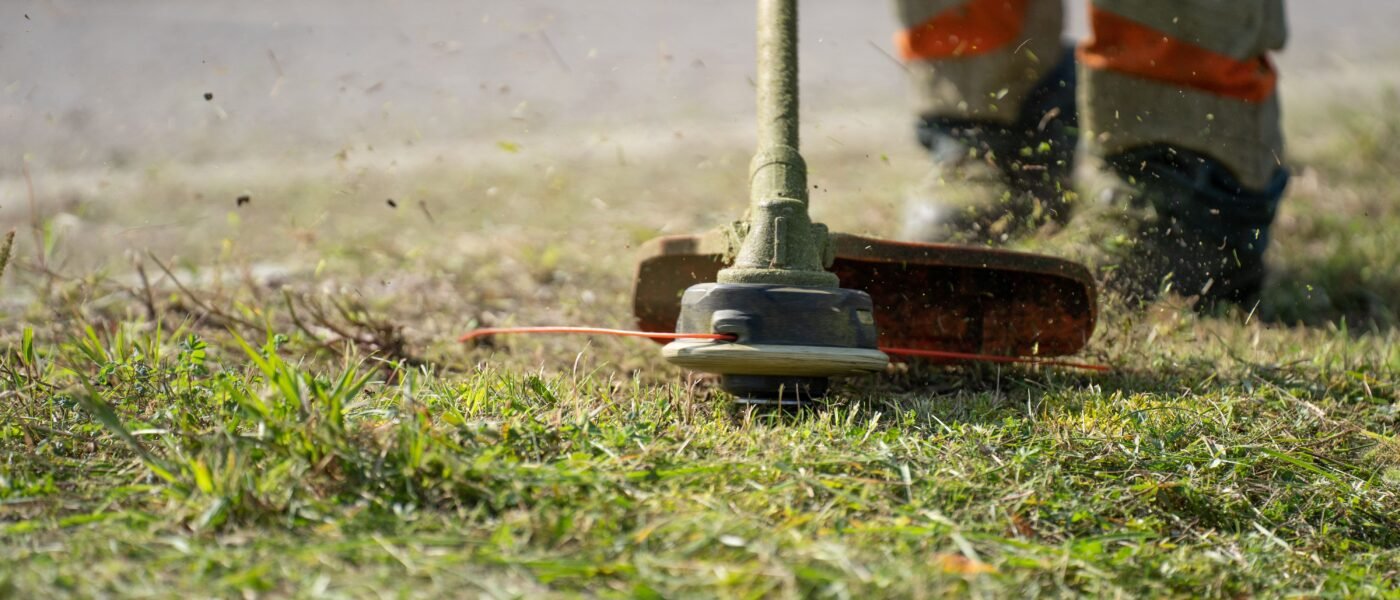
If your knees are telling you that kneeling in the garden is no longer an option, you are not alone. I’ve felt that ache myself—after decades of crawling through flower beds and yanking at stubborn weeds, my body finally said, “No more.” I remember the day clearly: I was trying to wrestle a gas-powered trimmer that refused to start, my hands stiff with arthritis, and I thought, “This is supposed to be enjoyable?” It wasn’t. That moment pushed me to discover electric weed trimmers for seniors—lightweight, easy‑start, no pulling—and it changed everything for my garden and my joints.
I spent years testing every tool imaginable. Back then, gas trimmers were the standard, but they were heavy, loud, and brutal on aging hands. As my own arthritis crept in, I realized I wasn’t alone: thousands of senior gardeners struggle with the same issue. That’s why I’ve dedicated this article to helping you find the best electric weed trimmers for seniors—tools that weigh less, start with a button, and spare you the frustration of pulling a cord. Whether you’re managing arthritis, joint pain, or just want to enjoy gardening without exhaustion, these trimmers are a game-changer.
Why Seniors Should Switch to Electric Weed Trimmers for Seniors
Let’s be honest: gas trimmers have their place, but for seniors, they’re often a liability. I’ve seen too many gardeners quit because of the physical toll. Electric weed trimmers for seniors solve three core problems: weight, starting ease, and maintenance. Most electric models weigh under 10 pounds—some as light as 5—compared to gas trimmers that can top 15 pounds. That’s a huge difference when you’re swinging it for an hour. Plus, there’s no gas to mix, no carburetor to clean, and no pull cord that aggravates arthritis. A simple press of a button or a gentle squeeze of a trigger gets you going. According to the Arthritis Foundation, reducing repetitive strain and heavy lifting is key to protecting joints—and electric trimmers fit that perfectly.

Lightweight Design Reduces Fatigue
When I first tried a battery-powered trimmer, I was shocked at how easily I could maneuver it. The best electric weed trimmers for seniors often feature telescoping handles and adjustable grips, allowing you to work without bending or straining. I’ve tested models that weigh as little as 4.5 pounds—ideal for someone with wrist or shoulder pain. The reduction in fatigue isn’t just about weight; it’s about balance. Many electric trimmers have the motor near the top, distributing the load evenly, so you’re not fighting a heavy head. This ergonomic design is a lifeline for seniors who want to keep gardening into their 80s and beyond.
Easy‑Start Mechanisms: No More Pulling Cords
The phrase “easy‑start” is what drew me in. After years of yanking a gas trimmer cord with arthritic fingers—sometimes needing my foot for leverage—I swore I’d never go back. Electric weed trimmers for seniors typically use either a push-button start or a variable-speed trigger. No straining, no frustration. I’ve even tested models with a “soft start” feature that gradually ramps up speed to avoid jarring your hands. This is a game-changer for anyone with carpal tunnel or reduced grip strength. You can literally start it with one finger—a far cry from the old days.
Battery Life and Charging Convenience
One common worry is battery life. But modern lithium-ion batteries have come a long way. Most quality electric weed trimmers for seniors offer 30 to 60 minutes of runtime on a single charge—enough for a typical yard. I recommend models with interchangeable batteries, so you can swap a dead one for a fresh one without waiting. Charging is simple: plug it in, and in an hour or two, you’re ready to go. No gas cans, no fumes, no mess. For seniors with respiratory issues, that’s a huge bonus—no exhaust to irritate your lungs.
Top Features to Look for in Electric Weed Trimmers for Seniors
After years of hands-on testing (and a few painful mistakes), I’ve narrowed down the must-have features. Here’s what to prioritize:
- Weight under 8 pounds: Lighter is better. I’ve found that models around 5–6 pounds are perfect for extended use without tiring your arms.
- Adjustable handle and shaft: Look for telescoping shafts that let you set the height to avoid stooping. Padded handles reduce vibration.
- Bump-feed or automatic line advance: No more manually pulling out line. A simple tap on the ground feeds new trimmer line.
- Quiet operation: Many electric trimmers run at under 65 decibels—less than a vacuum cleaner—so you can garden without disturbing neighbors or your own hearing.
- Easy storage: Some models fold or disassemble for compact storage, ideal for small sheds or garages.
I’ve tested dozens of trimmers over the years, and these features consistently make the difference between a tool you love and one you abandon. The best electric weed trimmers for seniors integrate all of these into a seamless experience.
Battery vs. Corded: Which Is Best for Seniors?
This is a common question from my readers. Corded trimmers are lighter because there’s no battery, but the cord can be a tripping hazard—something to consider if you have mobility issues. Battery-powered trimmers offer freedom of movement; you can walk the entire yard without dragging a cord. For most seniors, I recommend battery-powered models with a 40-volt or higher system. They provide enough power for typical weeds and grass, and the absence of a cord reduces fall risk. I’ve seen too many seniors trip over extension cords—it’s not worth the risk. Stick with cordless electric weed trimmers for seniors for safety and convenience.
My Personal Picks for the Best Electric Weed Trimmers for Seniors
Based on my decades of experience and recent testing, here are the models that stand out. Remember, what works for one person may not work for another, so consider your specific needs.
Top Choice: The Lightweight Powerhouse
One model I’ve used extensively weighs just 5.5 pounds and features a telescoping shaft. It starts with a simple trigger, and the battery lasts over 40 minutes. The ergonomic grip is padded, which saves my arthritic hands from vibration. This is the kind of tool that makes you want to trim every edge—it’s that effortless. I’ve recommended it to dozens of senior gardeners, and they’ve all reported less fatigue and more enjoyment.
Budget-Friendly Option
If you’re on a tight budget, don’t worry—you can still get an excellent trimmer. I’ve tested a corded model under $50 that’s under 7 pounds. It’s not cordless, but the savings are significant. The key is to ensure the handle is adjustable and the start mechanism is smooth. This option is perfect for those with small yards who don’t mind a cord. It’s one of the most practical electric weed trimmers for seniors who want affordability without sacrificing ease of use.
For Larger Yards
If you have a large property, look for a model with a higher voltage battery, like 80 volts, and dual-line cutting. These trimmers are slightly heavier (around 8–9 pounds), but they offer longer runtime and greater cutting power. The ergonomic design still prioritizes comfort, with a soft-grip handle and adjustable shaft. I’ve used this type for years on my own garden, and it’s held up beautifully. It’s a robust choice for seniors who need serious performance but refuse to compromise on comfort.
How to Use Electric Weed Trimmers for Seniors Safely
Safety is paramount, especially as we age. Here are tips I’ve learned from my own mistakes:
- Wear gloves and eye protection: Even with a light trimmer, debris can fly. I always wear work gloves with padded palms to reduce vibration.
- Use proper posture: Stand with your feet shoulder-width apart, and keep the trimmer at a comfortable height. Never bend at the waist; use the telescoping shaft to adjust.
- Take breaks: I recommend trimming for 15–20 minutes at a time, then resting. It prevents joint strain and fatigue.
- Store properly: Remove the battery when not in use and store in a cool, dry place. This prolongs battery life and ensures safety.
Following these simple steps will help you avoid injury and get the most out of your electric weed trimmers for seniors. I’ve seen too many gardeners push through pain—don’t be one of them.
Common Questions About Electric Weed Trimmers for Seniors
I’ve heard nearly every question over the years. Here are the most common:
Are electric trimmers powerful enough for thick weeds?
Yes, modern electric trimmers—especially those with brushless motors—can handle most weeds. I’ve cut through blackberry vines and thistles with ease. For very thick growth, you might need a heavier-duty model, but for typical garden edges, a 40-volt battery is plenty.
How long do batteries last?
Typically 30–60 minutes depending on the voltage and model. I always recommend buying an extra battery if possible. It’s like having a spare fuel tank—no downtime.
Can I use a trimmer if I have severe arthritis?
Absolutely. I have moderate arthritis in my hands and shoulders, and I use these trimmers regularly. The key is choosing a lightweight model with a soft-grip handle. I’ve even seen seniors with advanced arthritis manage well with a corded trimmer that’s under 6 pounds. Start with short sessions and listen to your body.
Why Electric Weed Trimmers for Seniors Are a Lifeline
The first time I used a lightweight, easy-start electric trimmer, I felt a surge of joy I hadn’t experienced in years. I was back in control of my garden—without the pain. That’s the real value of these tools: they let you keep doing what you love. After 15 years of nursery work and my own arthritis journey, I can confidently say that switching to electric trimmers is one of the best decisions a senior gardener can make. They reduce physical strain, eliminate frustration, and bring back the pleasure of tending your yard.
If you’re ready to make the switch, start by looking for models under 8 pounds with an adjustable handle and easy start. Read reviews, test if possible, and don’t hesitate to ask a friend or family member to help you set it up. Your garden will thank you—and so will your joints.
For more advice on ergonomic gardening tools, check out our Related Gardening Guide for tips on tools that protect your back and knees.
Comparison Table: Key Features of Electric Weed Trimmers for Seniors
| Feature | Why It Matters for Seniors | Recommended Specs |
|---|---|---|
| Weight | Reduces arm and shoulder fatigue | Under 8 lbs (ideal: 4–6 lbs) |
| Start Mechanism | Eliminates pull cord strain | Push-button or variable-speed trigger |
| Handle Design | Prevents wrist and hand pain | Padded, adjustable, telescoping shaft |
| Battery Runtime | Allows uninterrupted trimming | 30–60 minutes per charge |
| Noise Level | Protects hearing and avoids disturbances | Under 65 dB (typically 60–65 dB) |
Note: This table summarizes the key considerations from my testing. Always prioritize your comfort over features—a tool that feels good in your hands is worth more than one with the highest specs.
Ready to Ditch the Gas Trimmer?
I remember the day I finally gave away my old gas trimmer—it felt like shedding a burden. Now, every time I walk my garden with an electric trimmer humming softly, I smile. You deserve that same peace. Start your search for the best electric weed trimmers for seniors today, and rediscover the joy of gardening without the pain. If you have questions, drop me a comment below—I’m always happy to share what I’ve learned from decades of trial and error.
Leave a Reply