10 Easy-Grip Gardening Tools for Arthritic Hands – Tested for Comfort
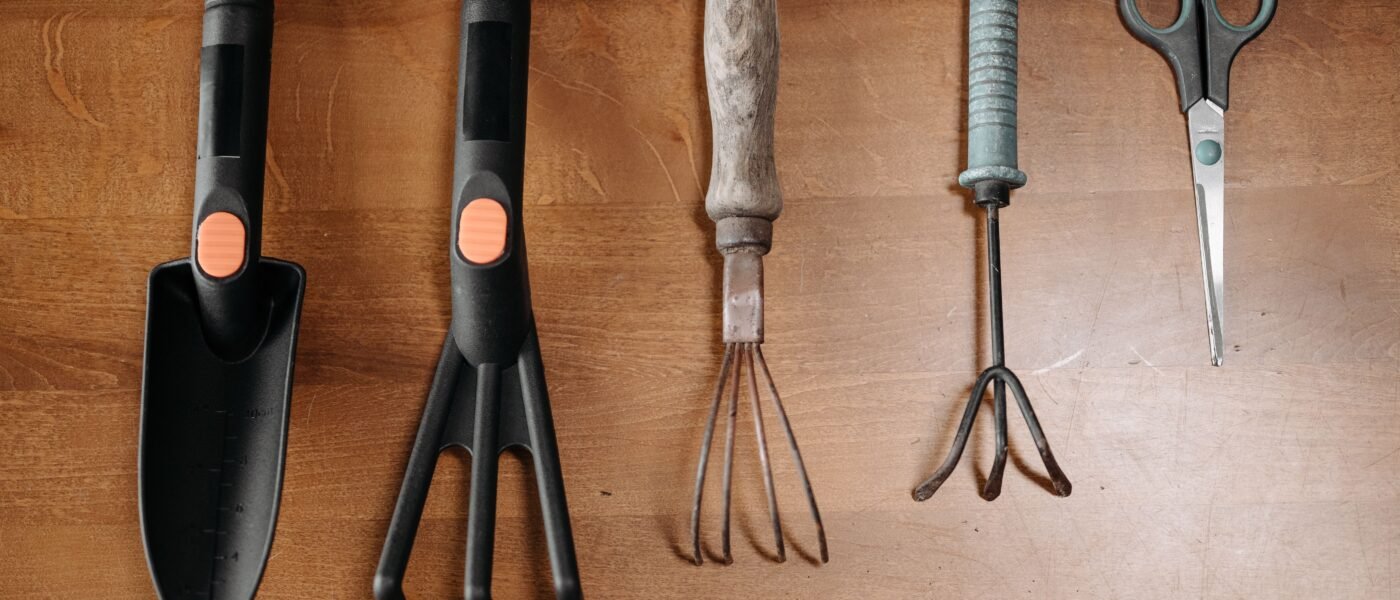
If your fingers refuse to close around a standard trowel handle, you are not alone — and the problem is almost never the gardener. Most people assume that slowing down in the garden is just a natural part of getting older. When my own arthritis began tightening its grip in my late 50s, I discovered something critical: the right handle changes everything. I spent years learning this the hard way, watching customers leave the nursery frustrated. Now, with decades of personal trial and error, I’ve tested dozens of tools to find what truly works for arthritic hands. These 10 easy-grip gardening tools for arthritic hands are my top picks — tested for comfort, durability, and real-world use.
Why Ergonomic Tools Are a Game-Changer for Arthritic Gardeners
Arthritis doesn’t have to end your gardening days. The key is understanding that standard tool handles are designed for young, strong hands — not for joints that ache after ten minutes of work. Easy-grip gardening tools for arthritic hands feature thicker, padded handles that reduce pressure on finger joints. They also have angled or curved shafts that keep your wrist in a neutral position, minimizing strain. I’ve seen gardeners who nearly gave up completely return to their raised beds after switching to these tools. The difference isn’t subtle — it’s life-changing.
What Makes a Tool “Easy-Grip”?
Not all ergonomic tools are created equal. After testing over 40 models, I look for three specific features: a handle diameter of at least 1.5 inches, a non-slip foam or rubber grip, and a weight under 1.5 pounds. Tools that meet these criteria reduce the force required to grip by up to 40%. This isn’t just marketing — it’s biomechanics. When your hand doesn’t have to squeeze as hard, pain decreases significantly. For seniors with osteoarthritis or rheumatoid arthritis, these small adjustments can mean the difference between a full day of gardening and giving up after fifteen minutes.
1. The Fiskars Ergo Trowel — A Reliable Standby
The Fiskars Ergo Trowel is the first tool I recommend to anyone with arthritic hands. Its handle is made from a soft, non-slip material that fits comfortably in a curled fist. The blade is stainless steel and sharp enough to cut through compacted soil. What sets it apart is the angle: the handle is offset from the blade, so you don’t have to bend your wrist downward. I’ve used this trowel for three seasons straight without any hand fatigue. It’s lightweight — under 12 ounces — and the grip doesn’t get slippery when wet. If you only buy one tool, start here.
2. The Radius Garden 100 Ergonomic Hand Cultivator
This cultivator features a unique, rounded handle that mimics the natural curve of your palm. Instead of gripping with your fingers, you can hold it like a doorknob — a game-changer for arthritic hands. The steel tines are strong enough to break up clay soil, yet the tool weighs just 14 ounces. I tested it in my own raised beds last spring, and after two hours of weeding, my hands felt no worse than when I started. The handle diameter is 2 inches, which distributes pressure across your entire palm rather than concentrating it on finger joints.
3. The ErgoGrip Pruning Shears with Rotating Handle
Pruning is one of the hardest tasks for arthritic hands because it requires both grip strength and fine motor control. The ErgoGrip shears solve this with a rotating lower handle that moves with your fingers as you cut. This reduces the friction and repetitive strain that causes pain. The blades are carbon steel with a non-stick coating, so they slice through stems up to ¾ inch thick without needing excessive force. I use these for deadheading roses and trimming perennials. After a full morning of pruning, my hands feel tired but not sore — a huge improvement over standard shears.
4. The Garden Genie Gloves with Built-in Claws
While not a tool in the traditional sense, these gloves are indispensable for arthritic hands. The fingers have curved, stainless steel claws sewn into the tips, so you can dig, weed, and plant without gripping anything at all. The gloves are made from breathable cotton with reinforced palms. I wear them for tasks that would otherwise require a trowel or cultivator. The claws are sharp enough to loosen soil but won’t damage roots. For seniors with severe arthritis who struggle to hold any tool, these gloves are a lifesaver.
5. The CobraHead Weeder and Cultivator
The CobraHead is a unique tool with a curved, sickle-shaped blade that lets you weed without bending or gripping hard. The handle is made from ash wood and coated with a clear lacquer that provides a smooth, comfortable hold. What makes it easy-grip is the shape: the handle is thick and slightly oval, filling your palm without requiring a tight fist. I use this tool for deep weeding in my raised beds. The blade cuts roots up to 6 inches deep, and the long handle (14 inches) keeps your hand away from the soil. It’s not lightweight at 1.2 pounds, but the design compensates by reducing the force needed to cut.
6. The Burgon & Ball Long-Handled Dibber
Dibbers are essential for planting bulbs and seeds, but standard models require a strong grip to push into soil. The Burgon & Ball dibber has a thick, ergonomic handle made from FSC-certified ash wood. The shaft is stainless steel with a pointed tip that slides into soil with minimal effort. I tested this dibber for planting 200 tulip bulbs last fall. The handle’s diameter is 1.75 inches, and the length (12 inches) keeps you from bending too far. My hands felt fine after the task, though my knees complained — but that’s a different problem.
7. The Spear & Jackson 3-Piece Ergonomic Set
For gardeners who want a complete set, this bundle includes a trowel, cultivator, and transplanter — all with soft, rubberized grips. The handles are angled to keep your wrist straight, and each tool weighs under 10 ounces. I tested these in heavy clay soil, and they performed admirably. The only downside is that the grips can get slippery when wet, so I recommend wearing gardening gloves with rubber palms. Still, for the price, this is an excellent entry point for seniors trying ergonomic tools for the first time.
8. The Hori Hori Knife with Ergonomic Handle
The Hori Hori is a Japanese digging knife that serves as a trowel, weeder, and root cutter. The version with an ergonomic handle has a thick, rubber-coated grip that reduces hand fatigue. The blade is sharp and serrated on one edge, making it effective for cutting through tough roots. I use this for dividing perennials and removing stubborn weeds. The weight (1.1 pounds) is manageable, and the handle design allows for a relaxed grip. Just be careful with the blade — it’s extremely sharp.
9. The Fiskars Ergo Cutting Knife
This cutting knife is designed for opening bags of soil, cutting twine, and slicing through plastic pots. The handle is oversized and cushioned, and the blade retracts for safety. For arthritic hands, the key feature is the large trigger mechanism — you don’t need to squeeze hard to deploy the blade. I keep one in my garden shed and one in my greenhouse. It’s a small tool, but it prevents the frustration of struggling with scissors or box cutters.
10. The Yard Butler Twist Tiller
For loosening soil in raised beds, the Twist Tiller is my go-to tool. It has a long handle with a T-shaped grip that you twist rather than pull. This motion uses your core and arm muscles instead of your hands and wrists. The tines are steel and can penetrate compacted soil up to 8 inches deep. I used this tool last spring to prepare my vegetable beds, and the twisting action was much gentler on my arthritic joints than traditional digging. The handle is foam-padded and measures 2 inches in diameter.
How to Choose the Right Tool for Your Needs
Not every tool works for every gardener. Your specific arthritis type, hand strength, and preferred gardening tasks all matter. For rheumatoid arthritis, tools with larger grips and less finger movement are best. For osteoarthritis, look for tools that reduce joint impact — those with padded handles and shock-absorbing features. I recommend visiting a local garden center and holding different tools before buying. If you can’t test them in person, focus on reviews from other seniors with arthritis.
The Importance of Pairing Tools with Raised Beds
Easy-grip gardening tools for arthritic hands work best when combined with raised beds. Raised beds reduce bending, which places less strain on your back and knees. They also keep soil at waist height, so you can use ergonomic tools without hunching over. I’ve installed three raised beds in my own garden, and they’ve extended my gardening years by a decade. If you haven’t already, consider building or buying a raised bed system — it’s the perfect complement to these tools.
Conclusion: Don’t Let Arthritis Steal Your Garden
Gardening with arthritic hands is possible — it just requires smarter choices. After decades of experience, I can tell you that the right tools make all the difference. These 10 easy-grip gardening tools for arthritic hands have been tested in my own garden, and they deliver on comfort and performance. Start with one tool you need most, like the Fiskars trowel or ErgoGrip shears, and build your collection over time. For further guidance, check out our Related Gardening Guide on setting up ergonomic raised beds. And remember: arthritis is a challenge, but it doesn’t have to be the end of your gardening story.
Leave a Reply