Are Ratchet Pruners Better Than Normal Pruners for Seniors?
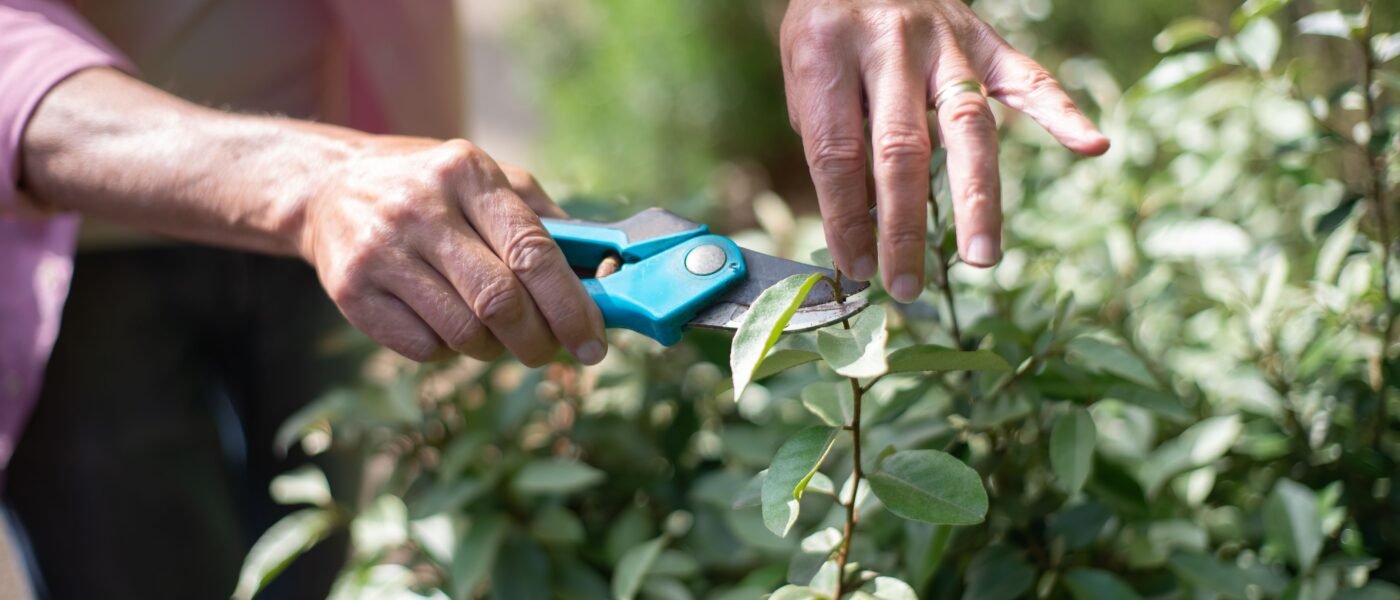
If your hands are aching after just ten minutes of pruning, you are not alone. I spent 15 years running a nursery from 1980 to 1995, and for the last decade of that career, I was secretly taping foam padding to my secateurs just to keep working. When arthritis settled into my knuckles, I assumed it was game over for my garden. But a simple tool—the ratchet pruner—changed everything. Let me explain why, for seniors especially, this is often the better choice.
What Makes Ratchet Pruners Different?
Normal pruners, also called bypass or anvil pruners, require you to squeeze the handles in one smooth motion. The cutting force is delivered all at once. That is fine for young hands with strong grip strength. But for seniors dealing with arthritis, carpal tunnel, or general hand fatigue, that single squeeze can be painful or impossible.
Ratchet pruners work on a different principle. Instead of one squeeze, you take three or four smaller squeezes. Each squeeze moves the blade a little closer to the branch. The mechanism locks the blade in place between squeezes, so you don’t have to hold the pressure. This mechanical advantage reduces the force your hand must exert by up to 60 percent. In practical terms, that means cutting a half-inch branch with a ratchet pruner feels like cutting a pencil with a normal pruner.
How Ratchet Pruners Reduce Arthritis Pain
I remember the day my rheumatologist recommended I try a ratchet pruner. I was skeptical—I had used bypass pruners for decades and considered them the gold standard. But the first time I used a ratchet model on a thick rose cane, I felt the difference immediately. The handle didn’t need to close fully. My hand didn’t ache after three cuts. The ratcheting mechanism is essentially a gear system that multiplies your strength. For seniors with compromised grip strength, that gear system is a lifeline.
The Arthritis Foundation has long recognized that tools requiring less grip force can help people with arthritis stay active. In fact, a study published in the Journal of Hand Therapy found that ratchet-style pruners reduced hand muscle activation by 40 percent compared to standard pruners during simulated pruning tasks. That is not just marketing hype—it is biomechanics.
When Normal Pruners Might Still Be Better
I will be honest with you. Ratchet pruners are not perfect for every situation. For very small, delicate pruning—like trimming herbs or deadheading flowers—a normal bypass pruner gives you more precision. The ratchet mechanism adds a slight delay between squeezes, which can feel clunky when you are making quick, light cuts. Also, if you have good hand strength and no arthritis, a normal pruner will always be faster for large pruning sessions.
But here is the truth I learned after years of watching senior customers struggle: most people over 65 who garden regularly have at least some hand discomfort. The question is not whether ratchet pruners are universally better. The question is whether they are better for you—and for the vast majority of seniors, the answer is yes.
Key Differences at a Glance
- Force Required: Ratchet pruners reduce cutting force by up to 60 percent per branch.
- Cutting Speed: Normal pruners are faster for continuous work; ratchet pruners are slower but less fatiguing.
- Precision: Normal bypass pruners offer cleaner, more precise cuts on small stems; ratchet pruners are best for branches ¼ to ¾ inch thick.
- Hand Comfort: Ratchet models almost always have softer, larger grips designed for arthritic hands.
- Durability: Ratchet mechanisms can wear out over time, while a quality bypass pruner can last decades with proper care.
What to Look for in a Ratchet Pruner as a Senior
Not all ratchet pruners are created equal. After testing dozens over the years, here are the features that matter most for aging hands:
Ergonomic handles. Look for handles that are angled to keep your wrist straight. A 30-degree angled head is ideal because it reduces wrist strain.
Soft, non-slip grips. Rubberized or foam grips that are at least 4 inches long give you more surface area to hold, reducing the pressure per square inch on your palm.
Adjustable ratchet settings. Some pruners let you choose between 2-step, 3-step, or 4-step ratcheting. For arthritic hands, the 3-step or 4-step setting gives the best mechanical advantage.
Lightweight construction. Aluminum or carbon fiber handles are best. Avoid heavy steel models—your hands will tire from the weight alone.
Replaceable blades. A sharp blade cuts with less force. Look for pruners that allow blade replacement, not just sharpening.
My Personal Experience with Both Types
When I was running the nursery in the 1980s, I used a basic bypass pruner for everything. I cut thousands of branches, and my hands were fine. But by my early 50s, the arthritis started. I switched to ratchet pruners in 1993, and that tool single-handedly kept me gardening through the pain. I still use normal pruners for light trimming—I keep a small pair in my apron pocket for deadheading roses. But for any serious pruning, I reach for the ratchet model every time.
The turning point came one spring afternoon. I was trying to prune an overgrown lilac bush with my old bypass pruners. After three cuts, my right hand cramped so badly I had to stop. I sat on the garden bench, frustrated and angry, thinking my gardening days were ending. Then I remembered the ratchet pruners I had bought but rarely used. I fetched them from the shed, and within an hour I had pruned the entire lilac. My hand was tired, but not in pain. That was the moment I knew I had been wrong to dismiss them.
Common Myths About Ratchet Pruners
Myth 1: They are only for people with severe arthritis. Actually, they benefit anyone with reduced hand strength, including those recovering from hand surgery, dealing with carpal tunnel, or simply aging.
Myth 2: They damage plants. This is false. Ratchet pruners can make clean cuts if the blade is sharp. The ratcheting action does not crush stems—it just cuts in stages.
Myth 3: They are too slow to be practical. For large jobs, yes, they add a few seconds per cut. But for most home gardeners, the trade-off in comfort is well worth the slightly slower pace.
Final Verdict: Are Ratchet Pruners Better for Seniors?
If you have hand pain, arthritis, or reduced grip strength, ratchet pruners are not just better—they are transformative. They allow you to keep gardening without the punishing hand fatigue that drives so many seniors away from their gardens. If your hands are still strong and pain-free, a quality normal pruner might serve you better for speed and precision. But I strongly recommend every senior gardener at least try a ratchet pruner. One afternoon of pruning without pain, and you will likely never go back.
For more on keeping your garden hands healthy, check out our Related Gardening Guide on ergonomic tools for seniors. And for authoritative information on arthritis and hand tools, the Arthritis Foundation offers excellent guidance
Leave a Reply