Patio Gardening for Senior Retirees: How to Create a Beautiful Space
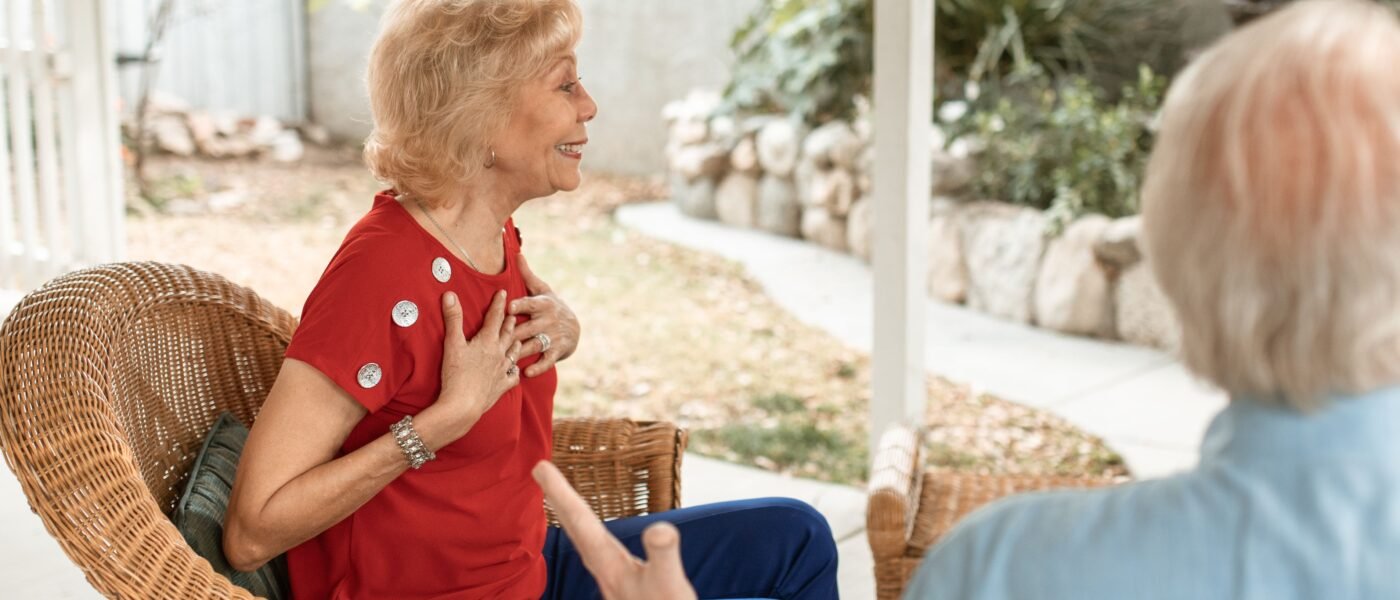
Patio gardening for senior retirees is not about scaling back—it is about scaling smart. You don’t need a sprawling yard to grow tomatoes, herbs, or flowers. A sunny balcony, a small deck, or even a concrete patio can become your sanctuary. The key is choosing the right containers, plants, and tools that reduce strain and maximize joy. Over my years in the nursery business, I watched countless retirees give up gardening entirely because they thought they had to kneel or bend. That is simply not true. With a few adjustments, you can garden comfortably well into your 80s and beyond.
Why Patio Gardening for Senior Retirees Works
The beauty of patio gardening is its accessibility. When you elevate your plants into containers on tables, benches, or raised stands, you eliminate the need to bend, kneel, or squat. This is a game-changer for anyone with arthritis, back pain, or limited mobility. I recall an older customer, Margaret, who came into my nursery in tears. She thought her gardening days were over. I helped her set up three large pots on a rolling cart. Six months later, she sent me a photo of her thriving cherry tomatoes and basil. She said, “I haven’t felt this alive in years.” That moment reinforced what I already knew: patio gardening for senior retirees is not just possible—it is life-giving.
Selecting the Right Containers for Your Patio Garden
Container choice matters more than you might think. Heavy clay pots look beautiful, but they are a nightmare to move. Instead, choose lightweight resin, fiberglass, or fabric pots. These are easy to lift and reposition as the sun shifts. Look for pots with built-in handles or rolling bases. I always recommend self-watering containers for seniors. They reduce the frequency of watering and prevent overwatering, which is a common mistake. A 14-inch self-watering pot can hold a single tomato plant or three pepper plants, giving you a substantial harvest without the strain of a full garden bed.
When selecting containers, consider the weight when filled with wet soil. A 16-inch clay pot can weigh over 50 pounds. A resin pot of the same size weighs less than 10 pounds. That is a difference your back will thank you for. Patio gardening for senior retirees should prioritize ergonomics over aesthetics. You can always dress up a functional pot with decorative paint or a colorful sleeve.
Choosing Plants That Thrive in Containers
Not all plants are container-friendly, but many are. Start with herbs like basil, parsley, mint, and rosemary. They are compact, forgiving, and provide fresh flavors for your kitchen. Cherry tomatoes are a favorite among my retired clients. They produce abundantly in a 5-gallon pot and do not require staking if you choose a determinate variety. Peppers, both sweet and hot, also perform well. For beauty, consider dwarf zinnias, marigolds, or petunias. These flowers bloom continuously and attract pollinators, adding life to your patio.
I always tell seniors to avoid large squash or melons in containers. They take up too much space and require heavy support. Instead, focus on what brings you joy. Patio gardening for senior retirees is about quality over quantity. A single thriving tomato plant can yield more than you expect, and the pride of eating your own harvest is unmatched.
Ergonomic Tools for Pain-Free Gardening
After 15 years in the nursery business, I learned that the right tool makes all the difference. For senior gardeners, ergonomics is not a luxury—it is a necessity. Invest in tools with padded, non-slip handles that fit comfortably in your hand. Look for long-handled trowels and cultivators so you can work from a standing or seated position. My personal favorite is a ratchet-action pruner. It multiplies your grip strength, making it easy to cut stems and branches without straining your arthritic hands.
A gardening stool or rolling kneeler is invaluable. Even if you do not kneel, a stool allows you to sit while you tend to your containers. Some models convert from a seat to a low kneeler, giving you options. I also recommend a lightweight watering wand with a trigger shut-off. It extends your reach and conserves water. These small investments transform patio gardening for senior retirees from a chore into a pleasure.
Watering Without the Strain
Watering can be the most physically demanding part of gardening. Heavy watering cans and hoses are a common source of frustration. Instead, use a soaker hose or drip irrigation system for larger container arrangements. These systems deliver water directly to the roots, reducing the need to carry water. For smaller setups, a 2-gallon watering can with a long spout is manageable. Fill it halfway to reduce weight. I also suggest watering early in the morning or late in the evening to minimize evaporation and reduce how often you need to water.
Another trick: group your containers close together. This creates a microclimate that retains moisture and makes it easier to water multiple pots in one trip. Patio gardening for senior retirees should be efficient. You are not training for a marathon—you are cultivating peace.
Designing Your Patio Garden for Comfort and Beauty
A beautiful patio garden starts with a plan. Arrange your containers in zones. Place the tallest plants, like tomatoes or trellised cucumbers, at the back or center, depending on your view. Shorter plants like herbs and flowers go in front. This creates visual depth and ensures every plant gets sunlight. Use a rolling cart for one or two pots so you can move them to catch the sun as it shifts throughout the day.
Don’t forget seating. A comfortable chair or bench near your garden allows you to rest and appreciate your work. I always included a small side table in my patio garden for a cup of tea. It became my morning ritual. Patio gardening for senior retirees is as much about relaxation as it is about growing. You earned this time.
Soil and Fertilizer Made Simple
Container gardening requires high-quality potting mix, not garden soil. Potting mix is lightweight, drains well, and contains nutrients. I recommend a mix with peat moss or coconut coir and perlite. Avoid heavy soils that compact and suffocate roots. For fertilizer, use a slow-release granular formula at planting time, then supplement with a liquid seaweed or fish emulsion every two weeks. This reduces the frequency of feeding and prevents the need for heavy lifting.
One more tip: place a coffee filter or piece of landscape fabric at the bottom of each pot to prevent soil from washing out the drainage holes. It keeps your patio clean and your plants healthy. Patio gardening for senior retirees does not require complex science—just consistent care.
Common Mistakes to Avoid
I have seen seniors make two common mistakes when starting patio gardening. First, they choose pots that are too small. Small pots dry out quickly, requiring constant watering. A 12-inch pot is the minimum for most vegetables. Second, they overwater. Container plants need drainage holes and a well-draining mix. Stick your finger an inch into the soil. If it is dry, water. If it is damp, wait. Overwatering leads to root rot and disappointment.
Another mistake is ignoring sunlight. Most vegetables need 6-8 hours of direct sun daily. If your patio is shaded, shift to leafy greens like lettuce, spinach, or Swiss chard. They tolerate partial shade and are easy to grow in containers. Patio gardening for senior retirees requires honest assessment of your space. Accept what you have and work with it.
Yes, Patio Gardening Is for Most People Over 60
After decades in the nursery business and managing my own arthritis, I can tell you with confidence: patio gardening for senior retirees is not only possible—it is deeply rewarding. It keeps you connected to nature, provides fresh food, and offers gentle physical activity that strengthens your hands and lifts your spirits. You do not need to give up gardening. You just need to adapt. Start small. Choose one container, one plant, and one comfortable seat. Watch it grow. You will remember why you fell in love with gardening in the first place.
For more practical advice, explore our Related Gardening Guide on building raised beds for seniors. And remember, the Arthritis Foundation offers excellent resources for gardeners with joint pain. Check out their ergonomic gardening tips to protect your joints while you tend your patio paradise.
Leave a Reply