Best Ergonomic Garden Pruners for Arthritic Hands (Beyond Bypass Pruners)
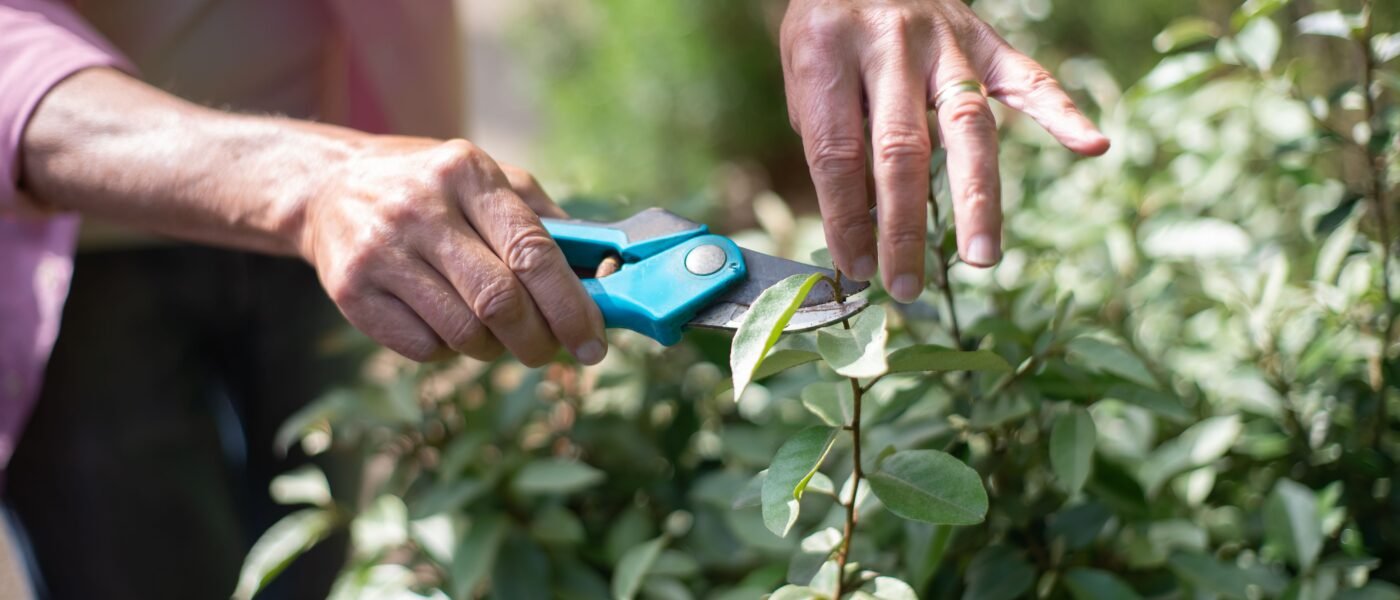
I once spent an entire afternoon trying to deadhead a single overgrown rose bush with a pair of rusty, poorly designed pruners. By the time I finished, my thumbs were throbbing, my wrists ached, and I couldn’t grip a coffee mug without wincing. That was the day I realized that the “best bypass pruners” I’d relied on for decades were no longer serving me. My arthritis had changed the game, and I needed tools that worked with my hands, not against them.
But when arthritis crept into my joints in my late 60s, I had to rethink everything. The standard bypass pruners I’d once recommended to customers became a source of frustration. That’s when I discovered a world of ergonomic garden pruners for arthritic hands that go far beyond what most senior gardeners know about. This guide is my personal journey through ratchet pruners, gear-assisted models, and power pruners—each designed to reduce strain and preserve your gardening passion.
Let’s be clear: if your hands hurt, the problem isn’t you. It’s the tool. And finding the right one can transform your garden experience from painful to joyful.
Why Standard Bypass Pruners Fail Arthritic Hands
Bypass pruners are fantastic for clean cuts on live wood, but they demand significant hand strength. The average bypass pruner requires 15–20 pounds of force to cut through a half-inch branch. For someone with arthritis, especially osteoarthritis or rheumatoid arthritis, that force can trigger inflammation, joint pain, and fatigue after just a few cuts.
Here’s the real problem: most bypass pruners have narrow handles that force your fingers into a cramped grip. This activates the small muscles of the hand, which are already weakened by arthritis. Over time, this repetitive motion can worsen joint damage. The Arthritis Foundation recommends tools with larger handles and mechanisms that reduce the force needed—something standard bypass pruners rarely offer.
That doesn’t mean you should abandon bypass pruners entirely. But for seniors with arthritic hands, they are often the worst choice. You need alternatives that multiply your grip strength, not drain it.
Beyond Bypass Pruners: The Three Main Alternatives
After testing dozens of pruners over the years—both in my nursery and in my personal garden with arthritic hands—I’ve narrowed the best ergonomic garden pruners for arthritic hands into three categories: ratchet pruners, gear-assisted pruners, and power pruners. Each works differently, and your choice depends on your specific arthritis type and gardening needs.
Ratchet Pruners: The Arthritis-Friendly Classic
Ratchet pruners are the most well-known alternative to bypass pruners. They work by cutting in stages: you squeeze the handles, the blade moves partway through the branch, then a ratchet mechanism locks it in place. A second or third squeeze completes the cut. This means you apply force in small increments, not all at once.
For arthritic hands, this is a game-changer. Instead of needing one big burst of strength, you use several smaller squeezes. I’ve found that ratchet pruners reduce the force per squeeze by up to 50% compared to bypass pruners. They’re ideal for people with osteoarthritis because they avoid the sudden shock that can trigger joint pain.
What to look for in ratchet pruners:
- Soft, cushioned handles that absorb vibration
- A rotating handle that lets your wrist stay neutral
- A lock mechanism that’s easy to engage with one hand
One popular model I recommend is the Fiskars Ratchet Pruner, which has a sliding lock and cushioned grips. But I’ve also had success with smaller brands that prioritize ergonomics over price. The key is to test the grip size—if your fingers overlap, it’s too small.
Gear-Assisted Pruners: The Smoother Alternative
Gear-assisted pruners use a system of gears to multiply your force. Unlike ratchet pruners, which cut in stages, gear-assisted pruners allow a single, smooth cut with less effort. They’re often quieter and feel more natural because the motion is continuous.
I discovered gear-assisted pruners when my thumb arthritis made the ratchet mechanism feel too clunky. The gear system gave me the same force reduction but with a fluid motion that felt easier on my joints. For people with rheumatoid arthritis—where inflammation makes repetitive motions painful—gear-assisted pruners can be a better choice because they require fewer squeezes per cut.
Key features to prioritize:
- A gear ratio of at least 3:1 (3 pounds of force for every 1 pound of effort)
- Ergonomic handles that angle the wrist naturally
- Blades that stay sharp longer to reduce force requirements
One standout is the Corona Gear-Driven Pruner, which has a 4:1 gear ratio. It’s heavy, but the weight distributes effort across your palm rather than your fingers. I’ve used it for deadheading roses and light pruning without any hand fatigue.
Power Pruners: The Modern Solution for Severe Arthritis
Power pruners are the most advanced option, using a rechargeable battery and motor to do the cutting for you. You simply press a button or squeeze a trigger, and the blade closes automatically. For gardeners with severe arthritis, limited grip strength, or conditions like carpal tunnel syndrome, power pruners can be life-saving.
I was skeptical of power pruners at first—they felt like cheating after years of manual tools. But after testing one on a batch of overgrown lavender, I changed my mind. The cuts were clean, my hands didn’t hurt, and I finished in half the time. Power pruners are especially good for pruning larger branches (up to 1 inch thick) without any hand strain.
Considerations before buying:
- Battery life: Most models last 1–2 hours on a full charge
- Weight: Power pruners are heavier; look for models under 1.5 pounds
- Safety features: A two-step trigger prevents accidental activation
The Felco 800 Power Pruner is a top choice, but it’s expensive. For budget-conscious gardeners, the Black+Decker Power Pruner offers similar benefits at half the price. Just be aware that power pruners require maintenance—like cleaning the blades and charging the battery—which can be a drawback for some seniors.
How to Choose the Best Ergonomic Garden Pruners for Arthritic Hands
With so many options, choosing the right pruner can feel overwhelming. Here’s a simple framework based on my decades of experience and personal arthritis journey:

Step 1: Assess Your Arthritis Type
- Osteoarthritis: Ratchet pruners work best because they distribute force across multiple squeezes.
- Rheumatoid arthritis: Gear-assisted pruners are better because they require fewer repetitive motions.
- Severe arthritis or carpal tunnel: Power pruners are the safest bet to avoid joint stress.
Step 2: Test the Handle Size
Your hand should fit comfortably around the handle with your fingers slightly overlapping the palm. If your fingers meet your palm, the handle is too small. If you can’t reach the trigger, it’s too large. Many ergonomic pruners come in multiple sizes—don’t settle for a one-size-fits-all.
Step 3: Consider the Weight
Heavier pruners can cause fatigue over time, but they also offer more leverage. For arthritic hands, I recommend models under 1 pound for manual pruners and under 1.5 pounds for power pruners. Lightweight materials like aluminum or carbon fiber are worth the investment.
Step 4: Check the Blade Material
High-carbon steel blades stay sharp longer, reducing the force needed to cut. Avoid stainless steel blades—they’re harder to sharpen and require more effort. A sharp blade is non-negotiable for arthritic hands.
Comparison Table: Ratchet vs. Gear-Assisted vs. Power Pruners
Ratchet Pruners:
- Force reduction: 50–60%
- Cut per squeeze: Multiple (2–3 per branch)
- Best for: Osteoarthritis, moderate hand weakness
- Weight: 0.5–0.8 pounds
- Price range: $20–$60
Gear-Assisted Pruners:
- Force reduction: 60–75%
- Cut per squeeze: One smooth motion
- Best for: Rheumatoid arthritis, mild to moderate hand pain
- Weight: 0.6–1.0 pounds
- Price range: $30–$80
Power Pruners:
- Force reduction: 90–100%
- Cut per squeeze: One button press
- Best for: Severe arthritis, carpal tunnel, very weak grip
- Weight: 1.2–1.8 pounds
- Price range: $80–$200
My Personal Favorites: Three Pruners I’ve Used for Years
After decades in the garden, I’ve settled on three models that consistently work for my arthritic hands. These are the best ergonomic garden pruners for arthritic hands that I personally recommend:
1. Fiskars Ratchet Pruner (Model 9109)
This is my go-to for general pruning. The ratchet mechanism is smooth, the handle rotates to reduce wrist strain, and the cushioned grip prevents slipping. I’ve used it for deadheading, shaping shrubs, and cutting back perennials without any pain. It’s lightweight at 0.6 pounds and costs around $25.
2. Corona Gear-Driven Pruner (Model 3200)
When I need a cleaner cut for rose bushes or thin branches, I reach for this gear-assisted pruner. The 4:1 gear ratio makes cutting feel effortless, and the angled handles keep my wrist in a neutral position. It’s a bit heavier at 0.8 pounds, but the reduced force compensates. Price is around $40.
3. Felco 800 Power Pruner
For tough jobs like pruning thick branches or dead wood, the Felco 800 is unmatched. The battery lasts a full day of light pruning, the trigger is easy to press with one finger, and the blade stays sharp for months. It’s expensive at $150, but it’s saved me from giving up gardening entirely during flare-ups.
Common Mistakes Seniors Make When Choosing Pruners
I’ve seen countless gardeners waste money on pruners that don’t help. Here are the biggest mistakes to avoid:
- Buying the cheapest option: Low-quality pruners have dull blades and hard plastic handles that hurt your hands. Invest in a mid-range model.
- Ignoring handle material: Metal handles are cold and slippery. Look for rubber or foam grips that absorb vibration.
- Not sharpening blades: A dull blade requires more force. Sharpen your pruners after every 50 cuts or use a diamond stone monthly.
- Choosing based on aesthetics: Bright colors don’t matter. Focus on ergonomics and force reduction.
Practical Tips for Gardening with Arthritis
Beyond the right pruners, here are strategies I’ve learned from my own journey:
- Warm up your hands: Soak them in warm water for 5 minutes before gardening to loosen joints.
- Use a gardening stool: Sitting reduces the strain on your hands and arms. I use a padded stool with a backrest.
- Take breaks every 15 minutes: Set a timer to stretch your fingers and wrists.
- Alternate tools: Switch between ratchet and gear-assisted pruners to avoid repetitive strain.
- Use a pruning saw for larger branches: Don’t force pruners to cut wood thicker than ¾ inch.
Don’t Let Arthritis Steal Your Garden
Gardening is not just a hobby—it’s a lifeline for many seniors. The connection to nature, the satisfaction of growth, the fresh air—these things matter. When arthritis threatens that connection, the solution isn’t to quit. It’s to find the right tools. The best ergonomic garden pruners for arthritic hands are out there, and they can restore your ability to garden pain-free.
Start with a ratchet pruner if you’re new to ergonomic tools. Move to gear-assisted if you want smoother cuts. And don’t hesitate to invest in a power pruner if your hands need the most help. Your garden—and your joints—will thank you.
For more tips on adapting your garden to your changing body, check out our Related Gardening Guide. And for medical advice on managing arthritis, consult the Arthritis Foundation.
Leave a Reply