Best Tools for Growing Roses as a Senior Gardener
There was a specific afternoon I realized I had to change everything about the way I gardened, or give it up entirely. It was a humid July day in 1992, and I was on my knees in the rose bed at my nursery, trying to deadhead a particularly thorny ‘Mister Lincoln’ bush. My fingers, swollen from morning stiffness, fumbled with the pruners. A sharp thorn snagged my knuckle, and I felt a familiar, searing ache radiate through my arthritic hands. I sat back on my heels, tears of frustration mixing with sweat. After 12 years of running a nursery, growing roses had always been my joy, but that afternoon, my body was telling me it was time to stop fighting the inevitable.
I didn’t stop, of course. Instead, I spent the next three years—while managing my own arthritis diagnosis—quietly testing and adapting every tool, every technique, and every ergonomic trick I could find. What I discovered changed how I approached gardening for the rest of my career. The best tools for growing roses as a senior gardener aren’t just about convenience; they are the difference between a painful chore and a joyful, manageable passion. If you or your mother are struggling to maintain a rose garden due to aging hands, knees, or backs, know this: you don’t have to give up the flowers you love. You just need the right gear.
Why Ergonomic Tools Matter for Senior Rose Lovers
Roses are notoriously demanding. They require pruning, deadheading, feeding, and careful handling—all tasks that punish stiff joints and weakened grip strength. As we age, our hands lose cartilage and muscle mass, making repetitive tasks like cutting canes or tying stems painful. According to the Arthritis Foundation, gardening with arthritis requires tools that reduce joint stress and distribute force across larger muscle groups. This isn’t just advice; it’s survival for the passionate gardener.
When I started my nursery in 1980, I used the same heavy, poorly designed tools my father had used. By 1995, when I finally sold the business, I had replaced nearly every one of them with ergonomic alternatives. The best tools for growing roses as a senior gardener share three characteristics: lightweight construction, padded or ratcheting mechanisms, and extended handles that eliminate bending. If you are buying for a gardening mom, these features will transform her experience from a source of pain to a source of pride.
The Best Tools for Growing Roses as a Senior Gardener
After decades of trial and error, I have narrowed the essentials down to five categories. Each one addresses a specific challenge that seniors face when tending roses. Whether you are a seasoned rosarian or a beginner, this list will help you garden smarter, not harder.
1. Ratcheting Pruners: The Senior’s Best Friend
Pruning is the most frequent and demanding task in rose care. Traditional bypass pruners require significant hand strength to cut through thick, woody canes. For a senior with arthritis, this can lead to hand fatigue, cramping, and even injury. Ratcheting pruners solve this problem by using a mechanism that cuts in stages. You squeeze the handle, the blade grips the branch, then you release and squeeze again—each time the ratchet advances the cut deeper. It takes three or four squeezes to sever a cane, but the force required per squeeze is dramatically reduced.
I recommend pruners with rotating handles, which allow your wrist to stay in a neutral position. Look for models with cushioned, non-slip grips. Brands like Fiskars and Corona offer excellent options. These are hands-down the best tools for growing roses as a senior gardener because they preserve hand function for years longer than standard pruners.
- Key Feature: Ratcheting blade reduces cutting force by up to 50%.
- Look For: Rotating handles and foam grips.
- Best For: Pruning thick canes, deadheading spent blooms.
2. Long-Handled Loppers for Knees and Backs

Kneeling to prune lower branches on a rose bush is a major source of pain for seniors. Even with a kneeling pad, the pressure on knees and the twisting motion required to reach awkward angles can aggravate arthritis. A good pair of long-handled loppers eliminates this entirely. With handles extending 24 to 36 inches, you can stand upright and reach the base of the bush without bending.
I prefer loppers with telescoping handles and a gear-driven mechanism that multiplies your cutting power. This is especially helpful for older roses that have thick, woody trunks. The best tools for growing roses as a senior gardener will always include a pair of loppers that allow you to work from a standing position. Your knees will thank you every time.
- Key Feature: Extended handles eliminate bending.
- Look For: Gear-driven or ratcheting loppers.
- Best For: Cutting thick canes at ground level.
3. Ergonomic Rose Gloves
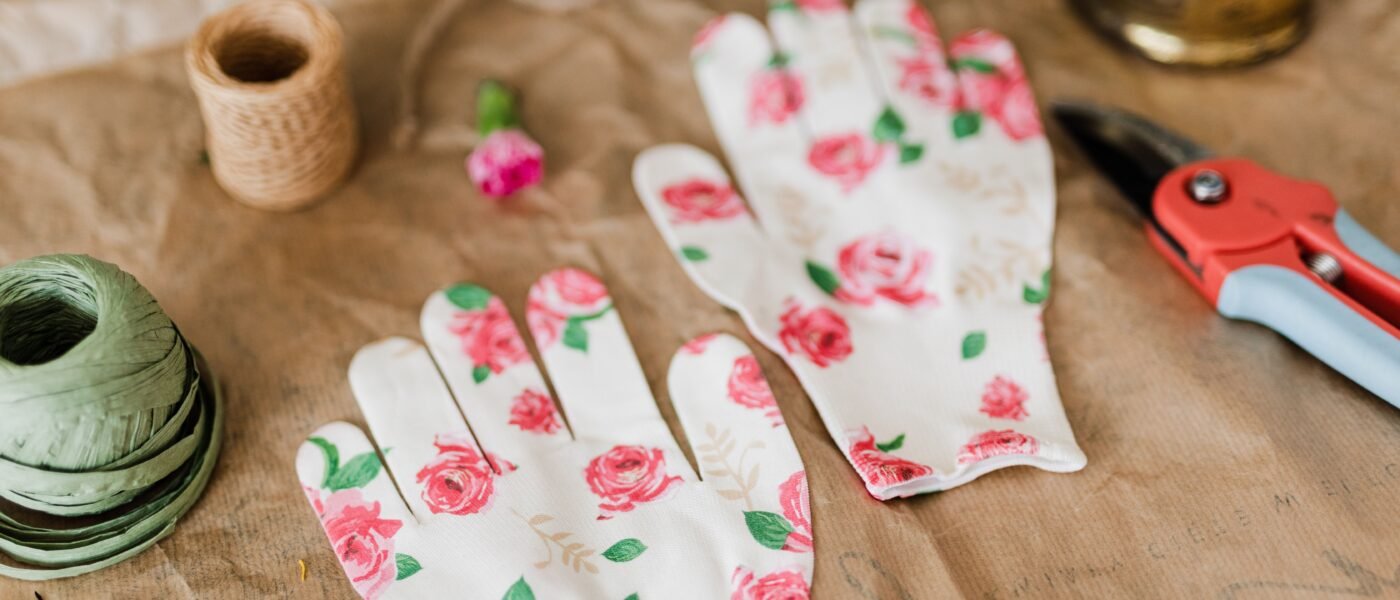
Roses are thorny. That is a fact. But senior gardeners often stop wearing gloves because standard gardening gloves are too bulky or too stiff for their arthritic fingers. This leads to painful punctures and infections. The solution is a pair of ergonomic rose gloves designed specifically for dexterity and protection.
Look for gloves made from goatskin or synthetic leather with reinforced fingertips and a gauntlet cuff that protects the forearm. The key feature for seniors is a snug but stretchy fit that doesn’t restrict movement. Some gloves now include gel padding in the palm to absorb shock when gripping pruners. These are the best tools for growing roses as a senior gardener because they allow you to handle thorny stems without fear or pain.
- Key Feature: Thorn-resistant material with flexible fit.
- Look For: Goatskin or synthetic leather, gauntlet cuff.
- Best For: Deadheading, tying stems, handling canes.
4. Lightweight Kneeling Pad or Garden Stool
Even with long-handled tools, some rose tasks require getting low—like weeding around the base or inspecting for pests. For seniors, kneeling on hard ground is brutal. A high-density foam kneeling pad is a cheap but transformative solution. However, I have found that many seniors prefer a garden stool that doubles as a kneeler. These devices have padded seats that flip over to become kneeling pads, with sturdy handles to help you stand up.

The best tools for growing roses as a senior gardener in this category are those that are lightweight (under 5 pounds) and have a wide, stable base. Avoid metal frames that rust; look for plastic or aluminum with a weight capacity of at least 300 pounds. Having the ability to sit while you work is a game-changer for maintaining energy levels.
- Key Feature: Dual-use stool and kneeler.
- Look For: Lightweight frame, padded seat, handles for standing.
- Best For: Weeding, planting, inspecting lower canes.
5. Watering Wand with Trigger Handle
Roses need consistent watering, especially during dry spells. Carrying a heavy watering can or holding a standard spray nozzle can strain arthritic wrists and shoulders. A lightweight watering wand with an ergonomic trigger handle solves this. The trigger mechanism allows you to control water flow with a gentle squeeze, rather than gripping a lever. The long shaft (24 to 36 inches) lets you water at the base of the bush without leaning in, avoiding thorns and reducing back strain.
I recommend a wand made of aluminum or reinforced plastic, with a soft rubber grip. The best tools for growing roses as a senior gardener will always include a watering wand that makes hydration a pleasure, not a chore.
- Key Feature: Trigger handle reduces grip force.
- Look For: Lightweight material, soft grip, long shaft.
- Best For: Watering base of rose bushes, hanging baskets.
How to Choose the Right Tools for Your Needs
Not every senior gardener has the same limitations. Some struggle with grip strength; others have hip or knee pain. The best tools for growing roses as a senior gardener will vary based on your specific challenges. Here is a simple framework I use when advising friends and clients:
- If you have hand or wrist arthritis: Prioritize ratcheting pruners and ergonomic gloves. Avoid tools with thin handles.
- If you have knee or hip pain: Invest in long-handled loppers and a garden stool. Avoid tasks that require kneeling.
- If you have shoulder weakness: Choose lightweight tools (under 2 pounds) and a watering wand. Avoid overhead pruning without assistance.
Remember, the goal is not to eliminate all effort—gardening is good for you. The goal is to reduce unnecessary strain so you can enjoy the process. I learned this the hard way, but you don’t have to.
Practical Tips for Senior Rose Gardeners
Beyond tools, there are simple strategies that make rose care easier. I developed these during my final years at the nursery, when my arthritis was at its worst.
- Space your bushes wider: Give each rose at least 3 feet of clearance. This allows you to access them without stretching or squeezing into tight spots.
- Use raised beds or containers: If bending is impossible, grow roses in large pots on a waist-high table or raised bed. Many modern varieties thrive in containers.
- Mulch heavily: A 3-inch layer of organic mulch around the base suppresses weeds, retains moisture, and reduces the need for frequent maintenance.
- Prune in stages: Don’t try to prune an entire bush in one session. Do a few canes each day to avoid overworking your hands.
- Hydrate before and after: Arthritis symptoms can worsen with dehydration. Keep a water bottle nearby and stretch your hands gently before starting.
For more comprehensive advice on adapting your garden to aging needs, check out our Related Gardening Guide.
Gardening Is a Lifelong Gift
I still grow roses in my small backyard, even though I am now in my late 70s. The tools I use today are not the same ones I started with in 1980. They are lighter, smarter, and kinder to my aging body. The best tools for growing roses as a senior gardener are those that allow you to keep doing what you love, without apology. If you are reading this for your mother, know that buying her these tools is not just a gift—it is permission to keep tending her garden for years to come. And if you are the gardener yourself, take heart: with the right equipment, every rose you grow becomes a small victory against time.
Happy gardening, and may your hands stay strong enough to clip a bloom for the kitchen table.
Leave a Reply