Garden Kneeler vs Kneeling Pad: What’s the Difference for Seniors?
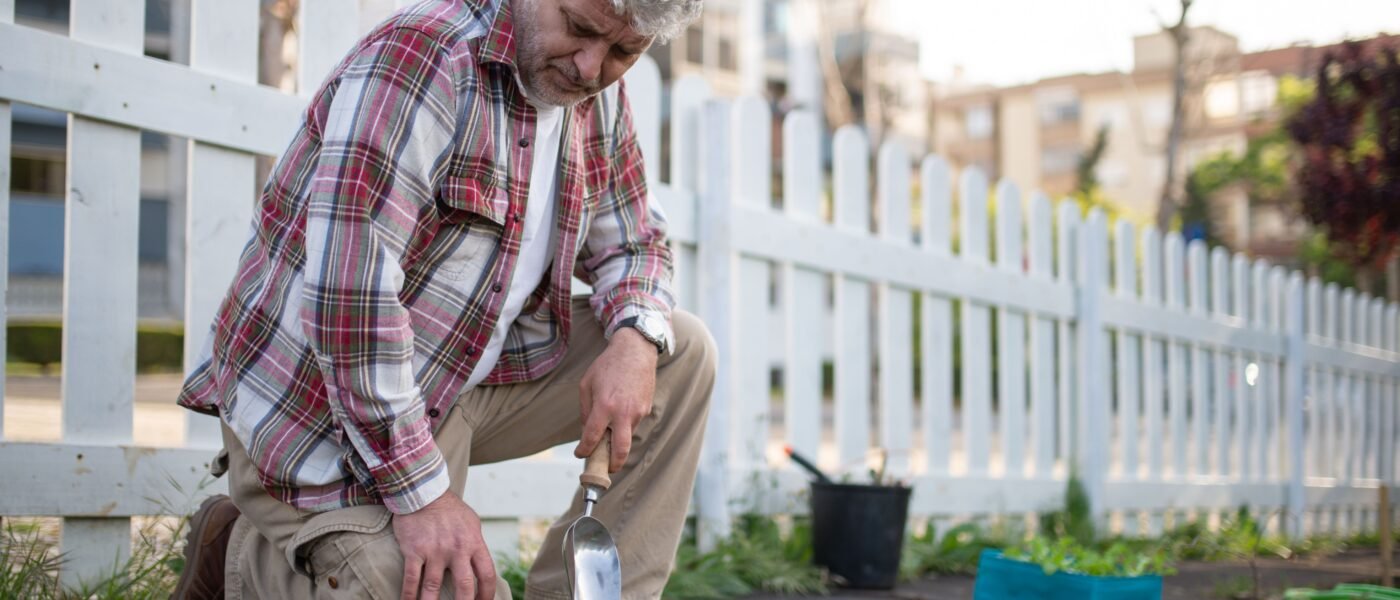
If you’re a senior gardener feeling that same creeping dread that your knees or back might force you to quit, I’m going to break down exactly what these tools do, how they differ, and which one is right for your specific situation. Your credentials matter, but your pain matters more, and I’ve been in your garden boots.
Understanding the Core Difference: Garden Kneeler vs Kneeling Pad
At first glance, the difference between a garden kneeler vs kneeling pad seems obvious—one is a larger, framed contraption, and the other is a simple piece of foam or rubber. But the real distinction goes far deeper, especially when you’re managing arthritis, limited mobility, or chronic joint pain.
A kneeling pad is exactly what it sounds like: a portable cushion designed to soften the ground beneath your knees. It’s typically made from high-density foam, closed-cell foam, or a durable rubber compound. Some have a waterproof backing to keep moisture from seeping through. They range from thin, foldable mats to thicker, ergonomic shapes with contoured edges. The key here is that a kneeling pad does one thing—it cushions your knees.
A garden kneeler, on the other hand, is a two-in-one tool. It’s a sturdy, lightweight frame that holds a padded cushion. When placed on the ground, you kneel on the cushion. But here’s the game-changer: the frame also has handles on the sides. When you flip it over, it becomes a low seat or bench. This dual functionality transforms how you approach every gardening task. You can kneel for weeding, then flip to sit for pruning or potting. For seniors, this is not a luxury—it’s a necessity.
In my opinion, the garden kneeler vs kneeling pad debate isn’t really about which is “better” in some abstract sense. It’s about understanding your specific physical limitations and matching the right tool to them. Let me explain how I learned this the hard way.
Why the Kneeling Pad Failed Me (and Might Fail You)
After that disastrous June afternoon, I went to a garden center and bought the thickest kneeling pad I could find. It was a 2-inch thick foam pad with a waterproof bottom. I was hopeful. The first week, it helped—marginally. But the real problem wasn’t my knees hitting the ground; it was the act of getting down and, more importantly, getting back up.
With a kneeling pad, you’re still on the ground. You still have to lower yourself down, often using your arms and hands for support. Then, after 10 or 15 minutes of weeding, you face the dreaded struggle of pushing yourself upright. My arthritic hips and knees screamed every single time. The pad did nothing for my back, which would ache from being hunched over. It also did nothing for my wrists, which took the brunt of my weight when I tried to stand.
For seniors with moderate knee pain but good overall mobility, a kneeling pad can be sufficient. But if you have arthritis, back issues, or any difficulty with transitions between sitting and standing, the kneeling pad is a half-solution. It addresses the symptom (knee discomfort) but ignores the root problem (difficulty with the kneeling position itself).
I also found that kneeling pads shift around on uneven soil, grass clippings, or mulch. You end up adjusting your position constantly, which is frustrating and can actually aggravate your joints with micro-movements. And they offer zero support for your upper body. Your hands, wrists, and shoulders are still doing all the work of stabilizing you.
How the Garden Kneeler Changed Everything
I was ready to give up gardening entirely when a friend—a retired nurse—suggested I try a garden kneeler. I was skeptical. It looked like a bulky contraption, and I thought it would be awkward to move around. But the first time I used it, I felt like I had discovered a secret weapon.
The padded cushion is thick, usually 3 to 4 inches of high-density foam, and it’s suspended within a sturdy steel or aluminum frame. The frame elevates you off the ground by about 6 to 8 inches, which means your knees aren’t directly on the soil. This alone reduces pressure on the kneecaps significantly. But the real magic is the handles. When I knelt on the kneeler, I could grasp the handles to take weight off my knees and shift my position without straining my wrists. When I wanted to stand, I used the handles as armrests to push myself up. The difference was night and day.
And then there’s the seat function. I would kneel to weed a section of the flower bed, then flip the kneeler over, and I was sitting at a comfortable height—about 14 to 16 inches off the ground. I could prune low branches, deadhead spent blooms, or pot plants without ever having to bend over. My back, which had been a constant source of pain, suddenly had relief.
The garden kneeler vs kneeling pad distinction became crystal clear to me: the kneeling pad is a passive tool that simply absorbs impact. The garden kneeler is an active tool that supports your entire body through the full range of gardening movements—kneeling, standing, sitting, and transitioning between them.
Key Factors for Seniors: When Each Tool Makes Sense
I don’t want to suggest that a garden kneeler is always the right choice. There are specific scenarios where a kneeling pad is perfectly fine, and even preferable. Here’s how I guide my fellow senior gardeners based on their individual needs.
Choose a Kneeling Pad If:
- You have good mobility and only need temporary cushioning for short tasks like deadheading or planting a few bulbs.
- You work in tight spaces like narrow flower beds or between raised planters where a wider kneeler won’t fit.
- You prefer portability—pads are lightweight, fold flat, and can be thrown into a bucket or bag easily.
- You have strong arms and wrists and can lower yourself to the ground and stand back up without assistance.
- You garden on even surfaces like paved patios, decking, or well-maintained lawn areas where the pad won’t slide.
In these cases, a high-quality kneeling pad with good density and a non-slip base can serve you well. I still keep a small foam pad in my gardening apron for quick tasks like picking up fallen leaves or pulling a few weeds.
Choose a Garden Kneeler If:
- You have arthritis in your knees, hips, or back that makes kneeling and standing difficult.
- You struggle with balance and need stable handles to steady yourself during transitions.
- You garden for longer periods (30 minutes or more) and need to alternate between kneeling and sitting.
- You have back pain from bending over—the seat function is a lifesaver for this.
- You work on uneven or soft ground where a pad would sink or shift—the kneeler’s frame stays stable.
The garden kneeler is not just a cushion; it’s a mobility aid. For seniors with any level of physical limitation, it transforms gardening from an exhausting chore into a manageable, even enjoyable, activity. I’ve seen friends who were ready to sell their trowels rediscover their passion for gardening after switching to a kneeler.
Practical Considerations: What to Look For
If you’re leaning toward a garden kneeler, here are the features I consider non-negotiable based on my years of testing and feedback from other senior gardeners:
- Sturdy frame: Look for steel or heavy-duty aluminum. The frame should not wobble when you kneel or sit. A flimsy frame is dangerous.
- Thick, dense foam: At least 3 inches of high-density foam. Cheaper kneelers use low-density foam that compresses quickly, leaving you kneeling on hard metal.
- Comfortable handles: They should be wide enough to grip easily, ideally with foam padding. Avoid thin, hard plastic handles that dig into your palms.
- Non-slip feet: Rubber grips or spikes that prevent the kneeler from sliding on wet grass or loose soil.
- Easy flip mechanism: Some kneelers require two hands and a lot of effort to flip from kneeling to sitting. Test this before buying.
- Weight capacity: Most kneelers support up to 250-300 pounds, but check the specifications. Overloading a kneeler can cause collapse.
For kneeling pads, prioritize materials that don’t absorb water. Closed-cell foam or rubber is best. Look for a pad that is at least 1.5 inches thick for seniors. Some pads have a contoured shape that cradles your knees, which can reduce pressure points. Avoid pads with slick surfaces—you need traction to avoid slipping.
My Final Recommendation After Decades of Trial and Error
If I had to give one piece of advice to a senior gardener who is struggling with pain in their knees, hips, or back, it would be this: invest in a good garden kneeler before you invest in anything else. I learned this lesson the hard way, wasting money on pads and cushions that never solved the real problem. The garden kneeler vs kneeling pad debate is really about whether you want to treat the symptom or the cause.
A kneeling pad can make kneeling slightly more comfortable. A garden kneeler can make gardening possible again. For seniors who refuse to let arthritis or age steal their garden, the kneeler is the tool that bridges the gap between desire and ability. It’s not just about comfort—it’s about dignity, independence, and the joy of working with your hands in the soil.
Remember, gardening is not a race. You don’t need to prove anything to anyone. The goal is to spend time doing something you love without destroying your body. I’ve been gardening for over 40 years, and I still have days when my hands ache and my knees complain. But thanks to my garden kneeler, I can still plant, weed, and prune with a smile. You can too.
For more detailed guidance on choosing the right gardening tools for your specific needs, check out our Related Gardening Guide. And if you want to understand more about managing arthritis while staying active, the Arthritis Foundation’s gardening resources are an excellent place to start.
Listen to Your Body, Choose Wisely
The choice between a garden kneeler vs kneeling pad ultimately comes down to honesty with yourself about your physical limitations. Don’t let pride or stubbornness push you into using a tool that will cause more pain. I made that mistake for an entire summer, and I regretted every minute of it. Your garden doesn’t care if you use a fancy kneeler or a simple pad—it just wants you to show up and care for it. Choose the tool that allows you to do that without suffering.
Gardening is a lifelong relationship. With the right support, it can continue to nourish your soul and your body well into your golden years. Trust me, your knees will thank you.
Leave a Reply