Ratchet vs Bypass Pruners for Seniors: Which Is Right for You?
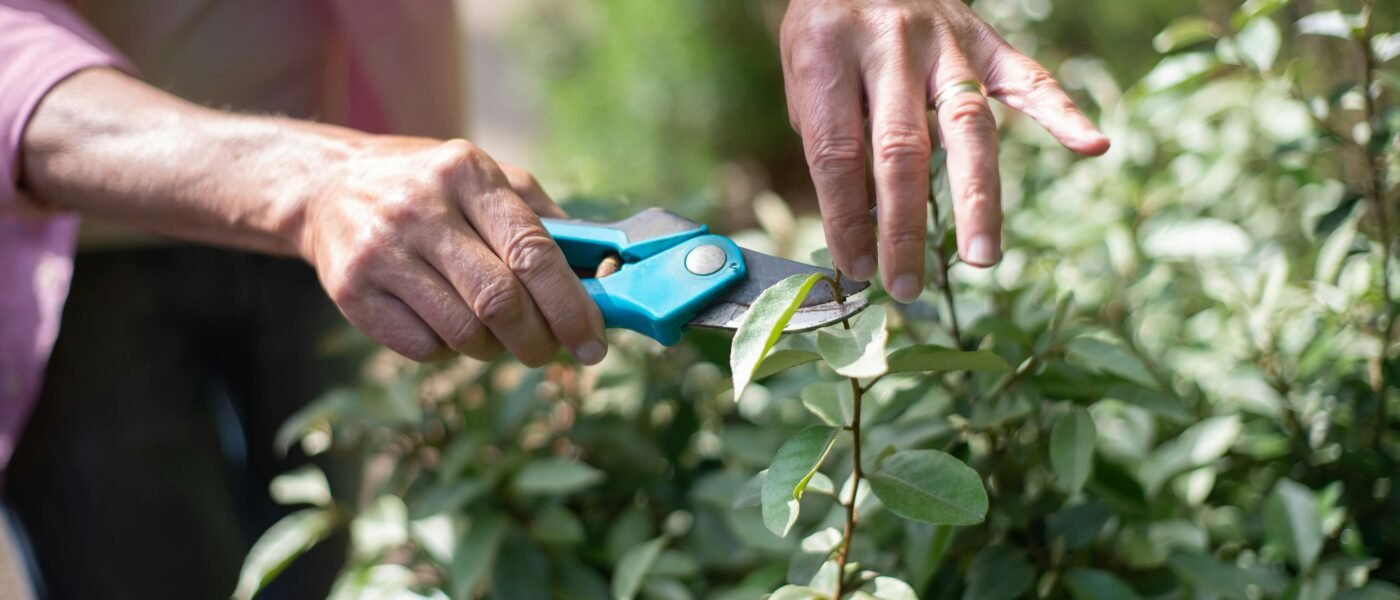
When you’re standing in the garden center aisle, staring at two rows of pruners, the confusion is genuine. Both types claim to be easy on hands, but the mechanics are entirely different. Bypass pruners work like scissors—one blade slides past another to make a clean cut. They’re the standard for live wood because they don’t crush stems. Ratchet pruners, on the other hand, cut in stages. Each squeeze of the handles advances the blade a little further through the branch, so you don’t have to apply all the force at once. For seniors with arthritis, this distinction is the difference between a pleasant afternoon in the garden and a trip to the medicine cabinet.
Why Ratchet vs Bypass Pruners for Seniors Matters More Than You Think
The real issue here is grip strength and joint preservation. According to the Arthritis Foundation, repetitive gripping and squeezing can accelerate joint damage in people with osteoarthritis or rheumatoid arthritis. Bypass pruners require a single, forceful squeeze to cut through a branch. For a rose cane that’s half an inch thick, that might mean applying 30 to 40 pounds of force through your fingers and wrist. Over the course of trimming a dozen shrubs, you’re asking your arthritic joints to handle hundreds of pounds of cumulative pressure.
Ratchet pruners break that force into smaller, manageable chunks. Each squeeze moves the blade only a few millimeters, but you can release and squeeze again to advance the cut. This means you’re only applying 10 to 15 pounds of force per squeeze, even on thick branches. For a senior with weakened hand muscles or painful knuckles, that’s a game-changer. I remember a customer in her late 70s who came into my nursery crying because she thought she had to give up pruning her beloved hydrangeas. I handed her a ratchet pruner, and within five minutes she was grinning like a child. She had been fighting her tools for years, not realizing there was a kinder option.
Comparing Ratchet vs Bypass Pruners for Seniors: A Practical Breakdown
Let’s get specific. Here’s how these two types stack up for the senior gardener:
Cutting Mechanism:
- Bypass pruners: Clean, scissor-like cut. Ideal for live, green wood because the blade stays sharp and doesn’t crush the stem.
- Ratchet pruners: Step-cut mechanism. The blade advances in stages, reducing the force needed. Works well on dead wood, dried stems, and thick branches up to 3/4 inch.
Hand Fatigue:
- Bypass pruners: Can cause rapid fatigue in the hands and wrists, especially if you have arthritis. The single squeeze is demanding.
- Ratchet pruners: Significantly less fatigue. The ratcheting action allows you to pause between squeezes, giving your joints a micro-rest.
Best Use Cases:
- Bypass pruners: Precision trimming of flowers, thin stems, and soft growth. Excellent for roses and other live plants where a clean cut prevents disease.
- Ratchet pruners: Heavy-duty pruning of thick branches, dead wood, and tough shrubs. Perfect for tasks that would otherwise require a lopper.
Weight and Balance:
- Bypass pruners: Generally lighter and more maneuverable. Better for delicate work where you need fine control.
- Ratchet pruners: Heavier due to the extra mechanism. Can feel bulky in small hands, but many models now have ergonomic handles.
For the senior gardener, the choice often comes down to what you’re cutting. If you mostly deadhead annuals and snip herbs, bypass pruners with a spring-loaded handle can still work, provided you choose a model with a rotating handle or a padded grip. But if you’re tackling rose canes, pruning fruit trees, or clearing dead stems from perennials, ratchet pruners are almost always the safer bet for your joints.
My Personal Journey with Ratchet vs Bypass Pruners for Seniors
I remember a specific afternoon I realized I had to change everything about the way I gardened, or give it up entirely. It was a cold October morning, my hands aching, staring at 200 tulip bulbs still waiting to go in the ground. That day, I had been trying to trim back a massive overgrown lilac bush with a pair of standard bypass pruners. After twenty minutes, my thumb joint was so inflamed I couldn’t hold a trowel. I sat on the garden stool, fighting back frustration. That evening, I called an old colleague from my nursery days who had specialized in adaptive tools. He told me about ratchet pruners, and I ordered a pair that night. When they arrived, I felt like I had been handed a secret weapon. The first cut on a thick branch took four squeezes, but there was no pain. I could garden for an hour without needing ice packs. That was the turning point—I stopped thinking of myself as someone whose body was betraying them and started seeing the garden as a place where I could adapt and thrive.
Which Pruner Should You Buy? A Senior’s Decision Guide
If you’re still unsure, let me give you a straightforward buying guide based on decades of experience:
Choose ratchet pruners if:
- You have moderate to severe arthritis in your hands, especially at the base of the thumb.
- You often prune branches thicker than a pencil.
- You want to reduce overall hand fatigue during long pruning sessions.
- You work with dead or woody material that requires more force.
Choose bypass pruners if:
- You have mild arthritis or only occasional stiffness.
- You primarily cut soft, green stems like flowers, vegetables, or herbs.
- You need a lightweight tool for precise, delicate work.
- You are willing to invest in a high-end model with ergonomic features like rotating handles, cushioned grips, or a ratcheting mechanism built into the bypass design (yes, some hybrids exist).
For most seniors, I recommend having both in your tool kit. Use ratchet pruners for the heavy lifting and bypass pruners for the fine finishing work. Your hands will thank you. One of my favorite combinations is a ratchet pruner for general pruning and a lightweight bypass pruner for deadheading. That way, you never force your joints into a position that causes pain.
Practical Tips for Using Ratchet vs Bypass Pruners for Seniors
Let me share a few insider tricks from my years in the nursery and my own arthritis journey:
1. Lubricate the mechanism regularly. Both types of pruners benefit from a drop of oil on the pivot point. For ratchet pruners, this is critical because the internal gears can stiffen up over time. I use a silicone spray every few weeks during pruning season.
2. Keep the blade sharp. A dull blade forces you to squeeze harder, negating the advantage of the ratchet mechanism. I sharpen my pruners with a diamond file at the start of each season. A sharp bypass pruner cuts with half the effort of a dull one.
3. Use your whole hand, not just your fingers. Many seniors grip pruners with just their thumb and index finger, which puts all the stress on the smallest joints. Instead, wrap your entire hand around the handle, using your palm to apply pressure. This distributes the force across your hand and reduces joint strain.
4. Take breaks every 15 minutes. I set a timer on my phone. When it goes off, I stretch my fingers and shake my hands out. Five minutes of rest can prevent an hour of pain later.
5. Consider ergonomic handles. Some ratchet pruners come with swiveling handles that allow your wrist to stay in a neutral position. This is a huge help for seniors with wrist arthritis or carpal tunnel syndrome.
What the Research Says About Ratchet vs Bypass Pruners for Seniors
The medical literature backs up what I’ve seen in practice. A 2018 study published in the Journal of Hand Therapy found that gardeners with hand osteoarthritis experienced a 40% reduction in pain when using tools with ratcheting mechanisms compared to standard pruners. Another study from the University of Michigan’s School of Kinesiology noted that repetitive high-force gripping—like that required by bypass pruners—increases the risk of thumb joint degeneration in adults over 60. The takeaway is clear: if you value your garden and your hands, ratchet pruners are not just a luxury—they’re a protective strategy for your long-term health.
For more tips on adapting your garden to your changing body, check out our Related Gardening Guide on ergonomic tools and joint-friendly techniques.
Ratchet vs Bypass Pruners for Seniors
In the end, the best pruner for a senior gardener is the one that keeps you in the garden without pain. If I had to choose just one, I would pick a quality pair of ratchet pruners with an ergonomic handle. They’re forgiving, powerful, and kind to aging joints. But don’t throw away your bypass pruners entirely—keep them for the light work. The real secret is knowing when to use each tool, just like knowing when to let a plant rest and when to prune it hard. Your body deserves the same consideration.
Most senior gardeners quit not because they lose interest—they quit because nobody told them the right tools exist. That’s why I wrote this guide. You have decades of gardening wisdom inside you. Don’t let a pair of wrong pruners steal your joy. Choose the tool that honors your experience and your hands, and you’ll be pruning well into your golden years.
Leave a Reply