How to Garden with Arthritis: 15 Practical Tips and the Tools That Help
There was a specific afternoon I realized I had to change everything about the way I gardened, or give it up entirely. I was on my hands and knees, trying to pry a stubborn dandelion from the clay soil of my perennial bed. My knuckles screamed. My knees felt like they were filled with gravel. But I had never really thought about the gardener’s body. That day, with arthritis settling deep into my joints, I decided I would not let my body dictate my passion. I started studying ergonomics, modifying techniques, and testing tools. Now, I want to share exactly how to garden with arthritis—without pain, without giving up the garden you love.
1. Understand Your Limits First
Before you buy a single tool, understand your arthritis. Are your hands, hips, knees, or back most affected? How to garden with arthritis starts with accepting that you cannot do everything you did at 40. That is not failure; it is wisdom. I have rheumatoid arthritis in my hands and osteoarthritis in my knees. My approach is different for each joint. Be honest with yourself, and you will save months of pain.
2. The #1 Tool: A Long-Handled Weed Puller
If you only add one tool to your garden shed this season, make it this one—and I say that after decades of trying everything. A long-handled, stand-up weeder with a claw mechanism lets you remove deep taproots without bending or kneeling. I own three different brands, but the key is a handle that reaches your waist without you having to stoop. This single tool transformed how to garden with arthritis for me. No more crawling.
3. Raise Everything with Raised Beds
Standard garden beds force you to bend. Raised beds bring the soil to you. Build them at least 24 inches high—preferably 30 inches. You can sit on a stool or stand comfortably. The Related Gardening Guide on building ergonomic raised beds is worth reading. The moment I switched to raised beds, my knees thanked me. How to garden with arthritis often means changing the garden itself.
4. Ergonomic Hand Tools Matter
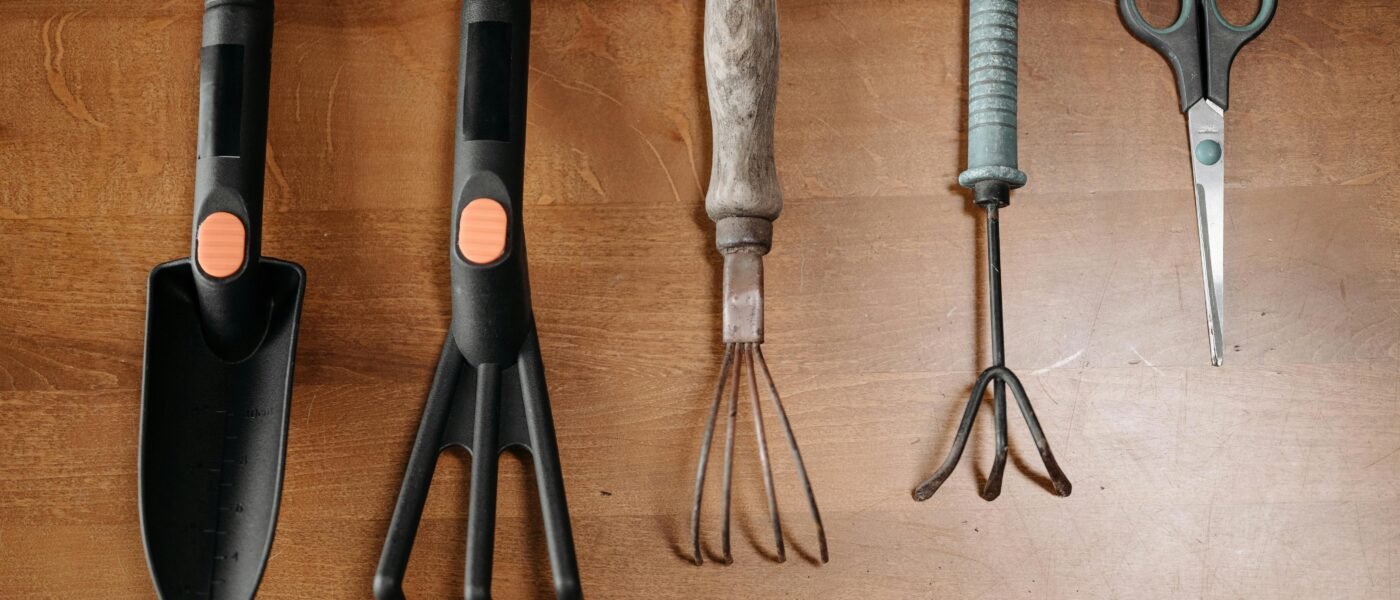
Do not use cheap garden trowels. Look for tools with padded, oversized handles. The handles should be thick enough that you can grip them without your fingers overlapping. Brands like Fiskars and Radius Garden make excellent ergonomic hand tools. I use a trowel with a 45-degree angle handle—it keeps my wrist straight. Your grip strength will improve, and pain will decrease. This is non-negotiable if you want to learn how to garden with arthritis.
5. Use a Garden Kneeler and Seat
A combination garden kneeler that flips over into a seat is a lifesaver. I have two—one stays near the greenhouse, one near the vegetable patch. When kneeling, the thick foam protects your knees. When you flip it, you have a low seat for pruning or weeding. I have arthritis in my hips, so sitting is often easier than kneeling. This single piece of equipment costs under $50 and is worth every penny.
6. Watering Without Pain
Carrying heavy watering cans is a recipe for disaster. Invest in a lightweight hose with a trigger nozzle. A 50-foot hose with a brass shut-off valve at the end means you never drag a heavy can. I also use a soaker hose system for my flower borders. No lifting, no bending. How to garden with arthritis includes rethinking how you water—make it effortless.
7. Pruning at the Right Height
Pruning bushes and shrubs used to require bending or reaching awkwardly. Now I use a long-handled pruner with a ratcheting mechanism. The ratchet gives you three times the cutting power with half the effort. I also use a pruning saw on a pole for higher branches. Keep your elbows close to your body when pruning to protect your shoulder joints. This is a technique I learned from a physical therapist who specialized in gardeners.
8. The Right Gloves Are Essential
Gloves for arthritic hands need to do two things: protect your skin and support your joints. Look for gloves with built-in gel padding in the palm and fingers. They should be snug but not tight. I have a pair that has silicone grips—they prevent me from having to squeeze hard. Also, consider fingerless gloves for fine work. Warm hands move better. Soak your hands in warm water before gardening to increase blood flow.
9. Plan Your Garden Layout
Design your garden to minimize movement. Place your most frequently used tools near the garden entrance. Group plants with similar water needs together. Create wide paths (at least 3 feet) so you can bring a wheelbarrow close. I have a small cart with large wheels that I drag along the paths. How to garden with arthritis is as much about planning as about tools.
10. Use the Right Body Mechanics
Lift with your legs, not your back. Keep your spine neutral. When weeding, sit on a stool instead of bending. When digging, use a long-handled shovel and let your legs do the work. I teach this to novice gardeners all the time: your body is a machine. Use it efficiently. I have a bad back from years of poor posture—do not repeat my mistakes.
11. Take Breaks and Stretch
Set a timer for 20 minutes. Every 20 minutes, stand up, stretch your arms overhead, and rotate your wrists. Walk a lap around the garden. I keep a water bottle and a small folding stool in the garden so I can rest anytime. Arthritis flares up when you push through pain. How to garden with arthritis means listening to your body and stopping before it hurts.
12. The Best Tools for Weak Grip
Many arthritic gardeners lose grip strength. Use tools with “easy grip” handles—foam or rubber sleeves that expand the diameter. For scissors and pruners, use spring-loaded models that open automatically. I also use a universal grip aid: a simple strap that loops around your hand and the tool handle. It transfers the force to your arm, not your fingers. Trust me, this is a game-changer.
13. Keep a Lightweight Watering Wand
A watering wand with a curved neck lets you water hanging baskets and tall planters without lifting your arms above shoulder height. I use a 30-inch wand with a soft rain nozzle. It attaches to the hose and gives me excellent reach without strain. My shoulders thank me every time I use it.
14. Use Containers on Wheels
Large pots are beautiful but heavy. Put heavy containers on rolling plant caddies. You can move them around the patio to chase the sun or protect them from frost. I have a large fig tree in a pot on wheels—I roll it into the garage every winter. No lifting. No back pain. How to garden with arthritis includes making your garden mobile.
15. Know When to Ask for Help
You are not weak if you hire a teenager to dig a hole or ask a neighbor to carry a bag of soil. I have a standing arrangement with a local college student who comes for two hours every Saturday. He does the heavy digging; I do the planting and pruning. The garden still gets done, and I save my joints for the work I love. This is the final lesson in how to garden with arthritis: delegate the heavy work.
You Can Keep Gardening
I have been gardening since I was a child, and I do not plan to stop. Arthritis changed how I garden, but it did not end it. With the right tools, proper technique, and a little planning, you can enjoy a beautiful garden for years to come. The Arthritis Foundation offers excellent guidance on joint protection during gardening. Start with one or two of these tips today. Your garden will thank you, and so will your body.
Leave a Reply