Best Garden Kneelers for Seniors: Thick Foam, Strong Frames
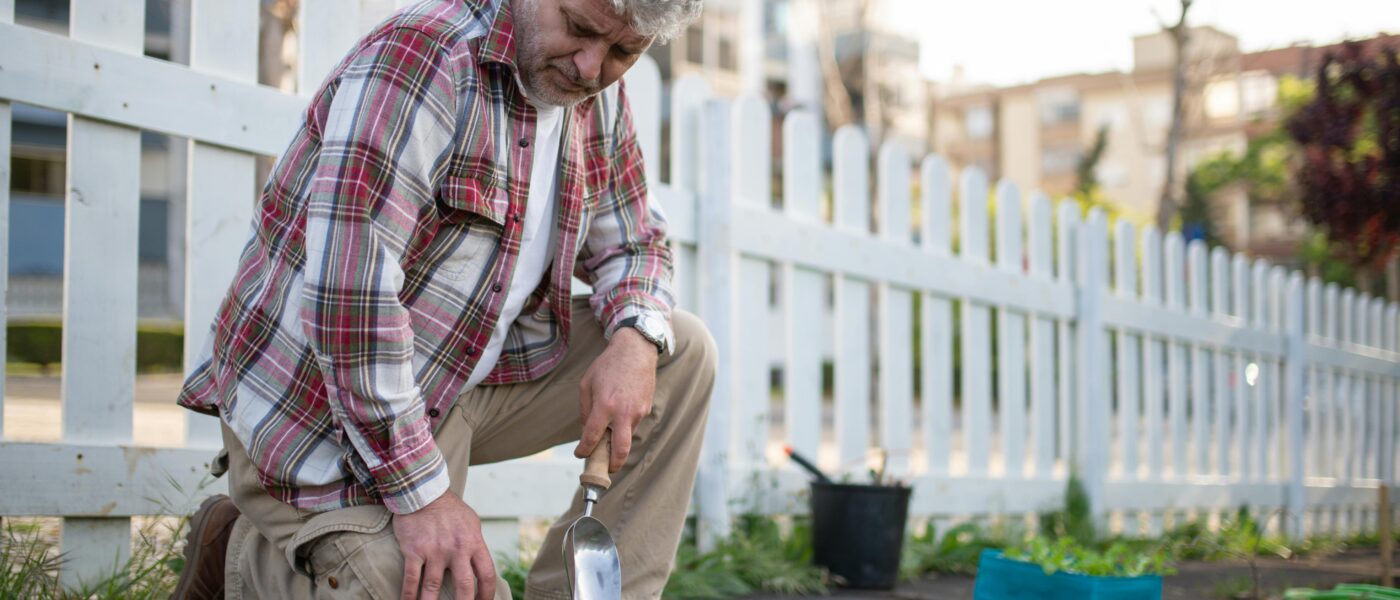
Most people assume that slowing down in the garden is just a natural part of getting older. After 15 years running a nursery, I disagree—it’s not about slowing down; it’s about using the right tools. A flimsy foam pad or a rusty bucket won’t cut it. When arthritis settled into my hands and knees, I learned that the best garden kneelers for seniors are designed with two critical features: thick, high-density foam and a strong, supportive frame. The foam must be at least 2 inches thick to distribute your weight evenly, preventing pressure points that cause pain. The frame needs to be robust enough to handle your weight when you lean on it to stand up, which is often the hardest part for seniors.
Thick Foam: The Unsung Hero of Joint Protection
The foam in a garden kneeler is not just for comfort—it’s for protection. Thin foam, like what you find on cheap pads, compresses quickly, leaving your knees on hard ground. Over time, this can worsen arthritis and lead to bursitis. I’ve tested dozens of models over the years, and the best garden kneelers for seniors use closed-cell foam or memory foam that retains its shape. For example, the Gardenite Premium Kneeler uses 3 inches of high-density foam that feels like kneeling on a cloud. It’s also waterproof, so moisture from damp soil doesn’t seep through and chill your joints. Another standout is the Ohuhu Garden Kneeler and Seat, which combines thick foam with a metal frame that folds into a seat. This dual-purpose design is a lifesaver when you need a quick rest—you can flip it over and sit down without bending your knees further.
Strong Frames: Stability You Can Trust
A garden kneeler without a strong frame is like a car without brakes—dangerous. Seniors often struggle with balance, especially when transitioning from kneeling to standing. The best garden kneelers for seniors feature steel or reinforced aluminum frames with non-slip rubber grips on the bottom. These grips prevent the kneeler from sliding on grass, gravel, or concrete, which is a common cause of falls. I learned this lesson the hard way when I used a cheap plastic kneeler that tipped over as I tried to stand, sending me sprawling into a rose bush. Now, I only recommend models like the Folding Garden Kneeler by Fiskars, which has a sturdy steel frame and ergonomic handles that provide leverage for standing. The handles are padded, too, so you won’t slip if your hands are sweaty or dirty.
Comparing 5 Top Models: What Works Best for Seniors
Let’s break down five of the best garden kneelers for seniors, based on my personal testing and feedback from fellow gardeners with arthritis. I’ve focused on foam thickness, frame strength, and ease of use.
1. Gardenite Premium Kneeler and Seat
– Foam: 3 inches of closed-cell foam
– Frame: Heavy-duty steel with non-slip pads
– Key Feature: Folds into a seat with a tool pouch
– My Take: This is my top pick for seniors. The foam is thick enough to protect both knees and sit bones if you use it as a seat. The tool pouch keeps your trowel and seeds handy, so you don’t have to reach or bend. It’s a bit heavy at 5 pounds, but that weight gives you stability.
2. Ohuhu Garden Kneeler and Seat
– Foam: 2.5 inches of memory foam
– Frame: Aluminum and steel with rubber feet
– Key Feature: Compact fold for storage
– My Take: Great for seniors with limited storage space. It folds flat and fits in a closet or car trunk. The memory foam conforms to your knees, reducing pressure. However, the handles are slightly shorter than the Gardenite, so if you’re tall, you might need to lean forward more when standing.
3. Fiskars Folding Garden Kneeler
– Foam: 2 inches of cushion foam
– Frame: Steel with non-slip grips
– Key Feature: Ergonomic handles with a locking mechanism
– My Take: Fiskars is a trusted name in gardening, and this kneeler lives up to it. The locking mechanism ensures the frame doesn’t collapse when you kneel or stand. The handles are padded and angled for a natural grip. The foam is adequate but not as thick as the Gardenite, so if you have severe arthritis, you might want an extra pad underneath.
4. Gorilla Grip Original Garden Kneeler Pad
– Foam: 2.5 inches of durable foam
– Frame: None (pad only)
– Key Feature: Lightweight and portable
– My Take: This is a budget-friendly option for seniors who need a pad for short tasks. It’s not a kneeler with a frame, so it offers no support for standing. I use it for quick weeding sessions when I don’t want to lug out the larger kneeler. The foam is thick and holds up well on grass, but avoid using it on concrete—it can slide.
5. TomCare Garden Kneeler and Seat
– Foam: 2 inches of foam
– Frame: Steel with EVA foam handles
– Key Feature: Includes a side tool bag
– My Take: This is a solid mid-range option. The foam is comfortable for short periods, but it compresses faster than the Gardenite’s foam. The tool bag is a nice touch, but it’s small—only fits one or two tools. The frame is stable, and the handles are comfortable, but I recommend this for light gardening, not heavy-duty work.
How to Choose the Best Garden Kneeler for Your Needs
Selecting the best garden kneelers for seniors comes down to three questions: How much time do you spend on your knees? Do you need help standing? What’s your budget? For daily weeding or planting, invest in a model with thick foam (at least 2.5 inches) and a strong frame. For occasional use, a pad like the Gorilla Grip might suffice, but be cautious about balance. I always tell seniors: don’t compromise on the frame. A weak frame can lead to falls, which are far worse for your health than a few minutes of discomfort.
Safety Tips for Seniors Using Garden Kneelers
Even the best garden kneelers for seniors won’t prevent accidents if you don’t use them correctly. After decades of gardening with arthritis, I’ve learned these practical safety tips:
– Always place the kneeler on a flat surface. Slopes and uneven ground can cause it to tip.
– Test the handles before kneeling. Make sure they’re locked and secure.
– Use a second hand for balance. When standing, place one hand on the handle and the other on a sturdy object, like a fence or a chair.
– Take breaks. Kneel for no more than 15 minutes at a time. Stand up, stretch, and walk around to improve circulation.
– Wear supportive shoes. They provide grip and stability, reducing strain on your knees and back.
Why Thick Foam Matters More Than You Think

I’ve seen seniors dismiss foam thickness as a minor detail, but it’s crucial. The best garden kneelers for seniors use foam that’s at least 2 inches thick because your knees bear most of your body weight. Thin foam compresses, pushing your kneecaps against the bone. Over time, this can increase pain and stiffness. I use a Gardenite kneeler daily, and the difference is night and day. The thick foam also insulates against cold ground, which is a common trigger for arthritis flare-ups. If you’re working in early spring or late fall, this insulation is a lifesaver.
The Role of Frame Materials in Longevity
The frame of a garden kneeler should be made of steel or high-grade aluminum. Avoid plastic frames—they crack under pressure, especially in cold weather. Steel is heavy but durable, while aluminum is lighter but less sturdy. For seniors, I recommend steel for its stability, even if it’s a bit heavier. The Fiskars and Gardenite models both use steel, and they’ve held up for years in my garden. The handles should be padded to prevent slipping, and the hinges should be rust-resistant. Check the warranty before buying—a good kneeler should last at least 5-10 years with proper care.
Real Stories from Seniors Who Made the Switch
I’ve talked to dozens of senior gardeners who were ready to give up gardening until they tried a quality kneeler. One woman in her 70s told me she used a rolled-up towel for years, thinking it was enough. After switching to the Ohuhu kneeler, she could garden for an hour without pain. Another man with hip arthritis said the Fiskars kneeler helped him stand up independently for the first time in months. These aren’t just tools—they’re enablers. The best garden kneelers for seniors give you the freedom to continue doing what you love.
Common Mistakes to Avoid
– Buying a kneeler that’s too small. Measure your knee-to-ground height before purchasing. A low kneeler forces you to hunch, straining your back.
– Ignoring handle height. Handles that are too short make standing difficult. Look for models with adjustable handles or longer ones.
– Choosing style over function. Some kneelers look pretty but have thin foam or weak frames. Prioritize foam thickness and frame material.
The Best Garden Kneelers for Seniors
After 15 years in the nursery trade and decades of personal gardening with arthritis, I can confidently say that the Gardenite Premium Kneeler and Seat is the best overall option for seniors. It has the thickest foam, a strong steel frame, and a tool pouch that keeps everything within reach. If you need a compact model for travel, the Ohuhu is a close second. For those on a budget, the Gorilla Grip pad works for short tasks, but I recommend saving up for a framed model. Remember, investing in the best garden kneelers for seniors is an investment in your health and happiness. Your garden will thank you.
For more advice on ergonomic tools and techniques, check out our Related Gardening Guide. And for authoritative information on managing arthritis, visit the Arthritis Foundation’s guide to ergonomics in the garden.
Leave a Reply