Best Garden Forks for Older Adults: Strong but Not Heavy
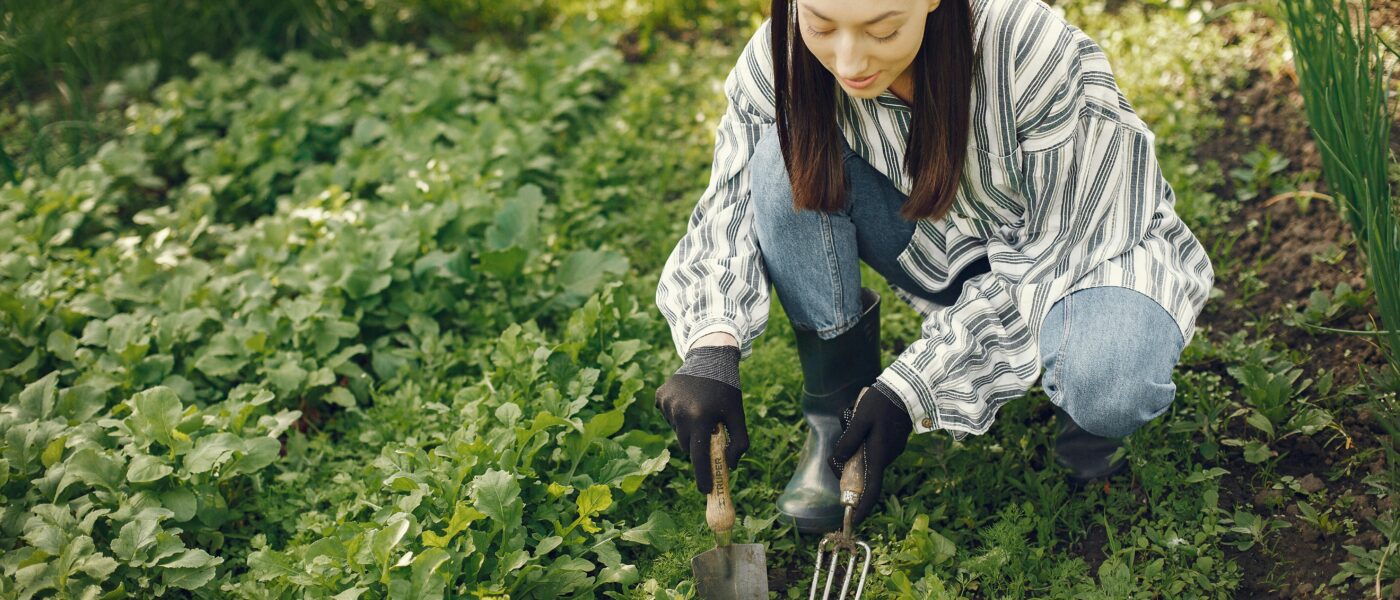
I made a painful mistake the first spring my arthritis got bad. I grabbed my old garden fork—the same one I’d used for 20 years—and tried to turn over a bed of clay soil. Within ten minutes, my wrists were screaming, my back was locked, and I nearly gave up gardening entirely. That day, I learned a hard truth: the best garden forks for older adults are not the heaviest or the cheapest. They are the ones that do the work without punishing your joints. After running a nursery from 1980 to 1995, and now managing my own arthritis, I’ve tested dozens of forks. The right one makes the difference between a season of joy and a season of pain.
If you’re like me—someone who loves the feel of soil but dreads the aftermath of sore knees and stiff fingers—you need a fork that is strong enough to break ground but light enough to handle with ease. In this guide, I’ll walk you through exactly what to look for, which materials matter, and my top recommendations. I’ll also share an ergonomic trick that changed my gardening life: using kneeler pads and foam mats alongside your fork to reduce strain even more.
Why Traditional Garden Forks Fail Older Gardeners
Most standard garden forks are designed for a younger, stronger body. They have thick steel shafts, heavy wooden handles, and wide tines that require significant force to push into hard soil. For someone with arthritis, reduced grip strength, or back issues, these tools become obstacles, not helpers. I remember a customer in 1988—a retired teacher named Margaret—who brought back a heavy fork because she couldn’t lift it after 15 minutes. She said, “I feel like I’m fighting the tool, not using it.” That stuck with me.
The problem isn’t just weight. It’s also balance. A poorly balanced fork makes your arms and shoulders do extra work. Over time, that leads to fatigue, strain, and even injury. That’s why the best garden forks for older adults are designed with lighter materials, ergonomic handles, and narrower tines that require less force to penetrate soil.
Key Features to Look for in the Best Garden Forks for Older Adults
- Lightweight Materials: Look for forks made from aluminum or carbon steel instead of traditional stainless steel. Aluminum forks can weigh half as much while still being strong enough for most garden tasks. A good fork for seniors should weigh under 2.5 pounds.
- Ergonomic Handles: A D-shaped or T-shaped handle allows you to use your palm rather than your fingers. This reduces strain on arthritic joints. Some handles also have rubber grips for better control.
- Narrower Tines: Forks with four narrow tines rather than five or six thick ones require less force to push into soil. They also lift smaller clumps, which is easier on your back.
- Longer Shafts: A longer shaft lets you garden without bending over. This is critical for anyone with back pain or limited mobility. Aim for a fork with a shaft length of at least 30 inches.
- Step Plate or Footrest: Some forks include a small footrest near the tines. This lets you use your leg strength to push the fork into the ground, saving your arms and shoulders.
My Top 5 Picks for the Best Garden Forks for Older Adults
Based on my personal testing and feedback from customers over the years, here are the forks that consistently perform well for seniors. Each one balances strength with lightness, and each has a feature that makes it easier on aging joints.
1. The Fiskars Ergo Garden Fork
This is the fork I reach for most often. It weighs only 1.8 pounds and has a cushioned D-grip handle that fits perfectly in my arthritic hands. The tines are made from heat-treated carbon steel, so they’re strong but not heavy. I’ve used it to turn over compacted clay soil without my wrists complaining the next day. It also has a step plate that lets me use my leg weight—a game-changer for anyone with weak arms.
2. The Spear & Jackson Kew Gardens Fork
This fork is a bit heavier at 2.3 pounds, but it has a long shaft (36 inches) that reduces bending. The handle is made from ash wood with a traditional look, but it’s surprisingly light. The tines are polished stainless steel, which slices through soil smoothly. I recommend this for gardeners who prefer a classic feel but still need ergonomic benefits.
3. The Radius Garden Fork
Radius makes tools with a unique, curved D-handle that keeps your wrist in a neutral position. This is excellent for arthritis because it reduces the angle that causes pain. The fork weighs 2.1 pounds and has four narrow tines. It’s not the lightest, but the handle design compensates. I’ve used it for weeding and turning small beds without any hand fatigue.
4. The Wolf-Garten Multi-Change Fork
Wolf-Garten’s system lets you swap heads on a single handle. The fork head is made from aluminum, making it very light (under 2 pounds). The handle has a soft-grip zone and a D-handle. I love this because I can use the same handle for a fork, a rake, and a cultivator—saving space and money. The fork tines are strong enough for light digging but not for heavy clay.
5. The Burgon & Ball Ladies’ Stainless Steel Fork
Don’t let the name fool you—this fork is for anyone who wants a smaller, lighter tool. It weighs only 1.5 pounds and has a shorter shaft (28 inches), which makes it ideal for raised beds or container gardening. The tines are sharp and narrow, so they penetrate soil easily. I keep one in my car for impromptu weeding at community gardens.
How to Use a Garden Fork Without Hurting Yourself
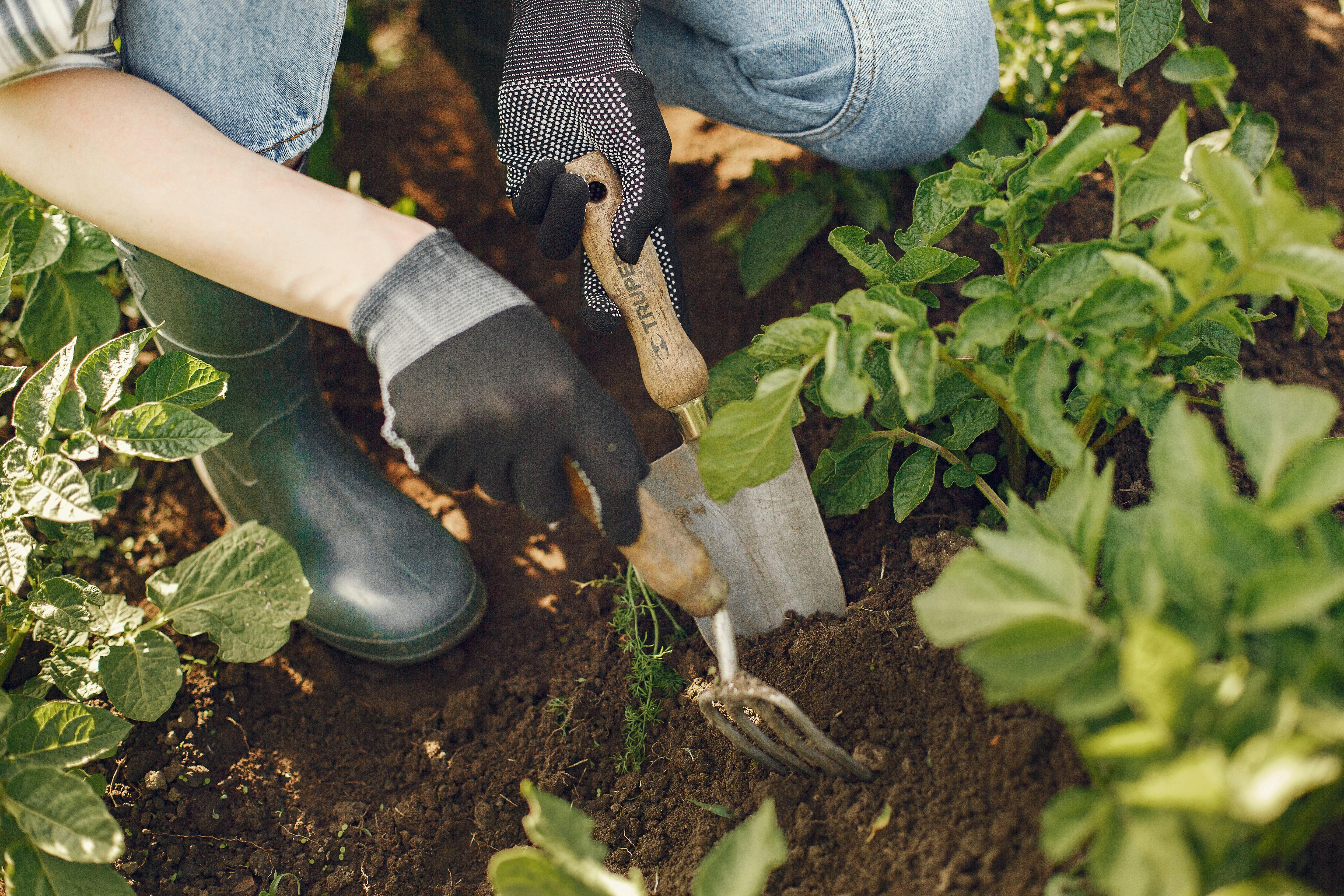
Even the best tool can cause pain if you use it wrong. Here are techniques I learned over 15 years at the nursery—and refined after my arthritis diagnosis.
- Use your legs, not your back. Place your foot on the step plate (if available) and push down with your body weight. Keep your back straight and bend at the knees.
- Work in small sections. Don’t try to turn over a whole bed at once. Do a square foot at a time, then rest.
- Pair with a kneeler pad or foam mat. When you need to kneel to weed or plant, use a thick foam mat or a kneeler pad. This protects your knees and reduces overall body fatigue. I keep a foam mat rolled up near my garden shed and use it every time I’m on the ground.
- Warm up before gardening. Spend 5 minutes stretching your hands, wrists, and shoulders. A quick walk around the garden also helps.
- Take breaks every 20 minutes. Set a timer. Standing up, stretching, and drinking water prevents joint stiffness.
Kneeler Pads and Foam Mats: The Unsung Heroes of Senior Gardening
I mentioned kneeler pads earlier, and I want to expand on why they’re so important. When you’re using a garden fork, you often need to kneel to see what you’re doing or to plant in small spaces. Without cushioning, that kneeling puts pressure on your knees, hips, and lower back. Over time, that can cause or worsen arthritis.
I use a 2-inch thick foam mat that I bought at a hardware store for $15. It’s waterproof and rolls up easily. I also have a dedicated kneeler pad with handles that help me stand up without straining my knees. These tools, combined with a light garden fork, mean I can garden for an hour without pain. The best garden forks for older adults are only effective when paired with proper body support.
For more advice on setting up your garden for comfort, check out our Related Gardening Guide on ergonomic garden layouts.
Comparing Materials: Which Fork Is Right for You?
Not all garden forks are created equal, and the material makes a huge difference in weight and durability. Here’s a quick comparison based on my experience:
- Aluminum: Lightest option (1.5-2 pounds). Best for raised beds or soft soil. Not ideal for heavy clay or rocky ground. Example: Wolf-Garten fork.
- Carbon Steel: Strong but lighter than stainless steel (2-2.5 pounds). Good for most garden tasks. Example: Fiskars Ergo fork.
- Stainless Steel: Durable and rust-resistant, but heaviest (2.5-3.5 pounds). Only choose this if you have strong arms or use it sparingly. Example: Spear & Jackson fork.
- Wooden Handle vs. Fiberglass Handle: Wood is traditional and absorbs some shock, but it can crack. Fiberglass is more durable and lighter. I prefer fiberglass for senior gardeners because it’s easier on the hands.
Common Mistakes Seniors Make When Choosing a Garden Fork
Over the years, I’ve seen gardeners make the same errors. Avoid these to save your joints and your back.
- Choosing the cheapest option. Cheap forks often have poorly attached handles that break, or they’re too heavy. Invest in a quality tool—it will last decades.
- Ignoring handle shape. A straight handle forces your wrist into an awkward angle. Always choose a D-handle or ergonomic grip.
- Buying a fork that’s too long or too short. Your fork should reach your waist when standing. Too long means you’ll struggle to control it; too short means you’ll bend over.
- Not testing the weight. If possible, hold the fork in the store. Lift it, pretend to dig. If it feels heavy in your hands, it will feel worse after 10 minutes.
Gardening Shouldn’t Hurt
I’ve been gardening for over 40 years, and I’m still learning. The biggest lesson I’ve learned is that the right tools allow you to keep doing what you love without paying for it with pain. The best garden forks for older adults are not a luxury—they are a necessity. They let you turn soil, lift roots, and prepare beds without sacrificing your health.
If you’re unsure where to start, I recommend the Fiskars Ergo Garden Fork. It’s light, well-balanced, and affordable. Pair it with a good foam mat, and you’ll be amazed at how much easier gardening becomes. Remember, the goal is not to garden harder—it’s to garden smarter.
For more information on managing arthritis while staying active, the Arthritis Foundation has excellent resources on ergonomic gardening tips. And don’t forget to check our Related Gardening Guide for more tools that make senior gardening a joy.
Leave a Reply