Best Telescoping Loppers for Senior Gardeners
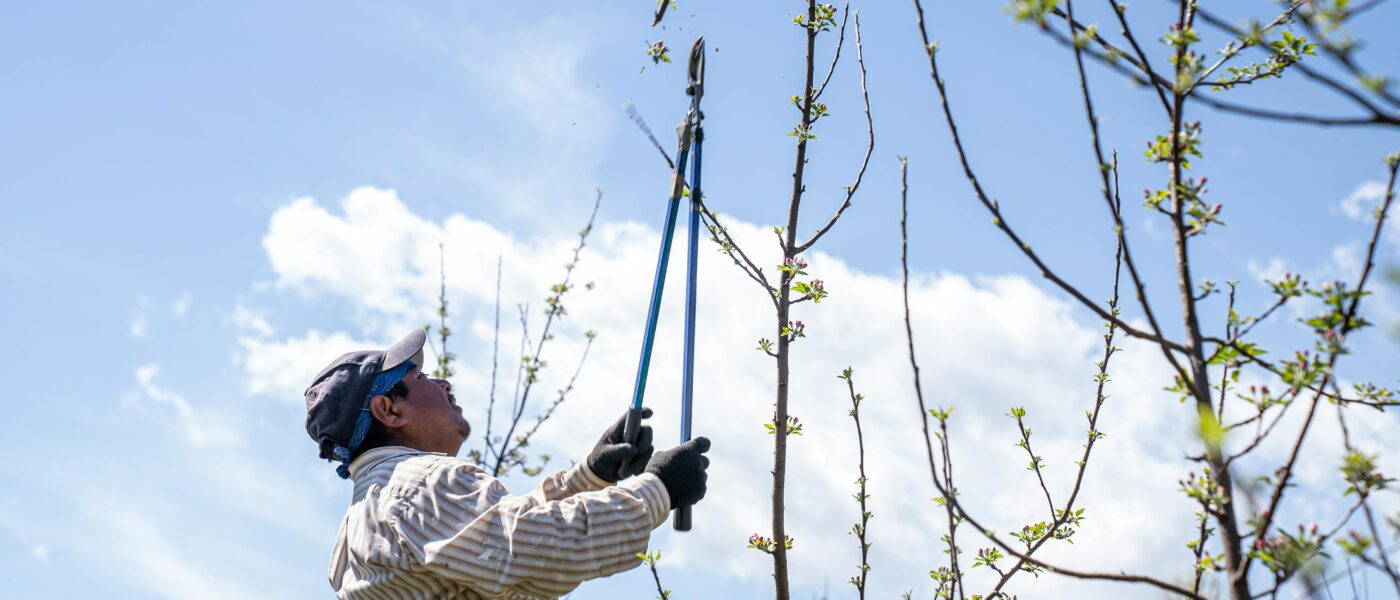
If your knees are telling you that kneeling in the garden is no longer an option, you are not alone. I remember the exact moment I realized I had to change everything about the way I gardened, or give it up entirely. It was a crisp autumn morning in 1992, and I was standing in my nursery’s pruning shed, staring at a stack of branches I couldn’t reach without a ladder. My arthritis had flared up badly the night before, and my hands were stiff, swollen, and useless. I had been running a nursery since 1980—15 years of planting, pruning, and teaching others—and I thought I knew every trick in the book. But that morning, I learned that age doesn’t just slow you down; it rewrites the rules. That’s when I discovered telescoping loppers, and they saved my gardening life.
Over the next few years, I tested dozens of models, worked with occupational therapists, and even consulted with tool engineers to find the best telescoping loppers for senior gardeners. My arthritis journey taught me that the right tool isn’t just a convenience—it’s a necessity for staying in the garden without pain. In this guide, I’ll share what I’ve learned, focusing on ergonomic handles, lightweight builds, and the specific features that make telescoping loppers a game-changer for aging hands.
Why Telescoping Loppers Are Essential for Senior Gardeners
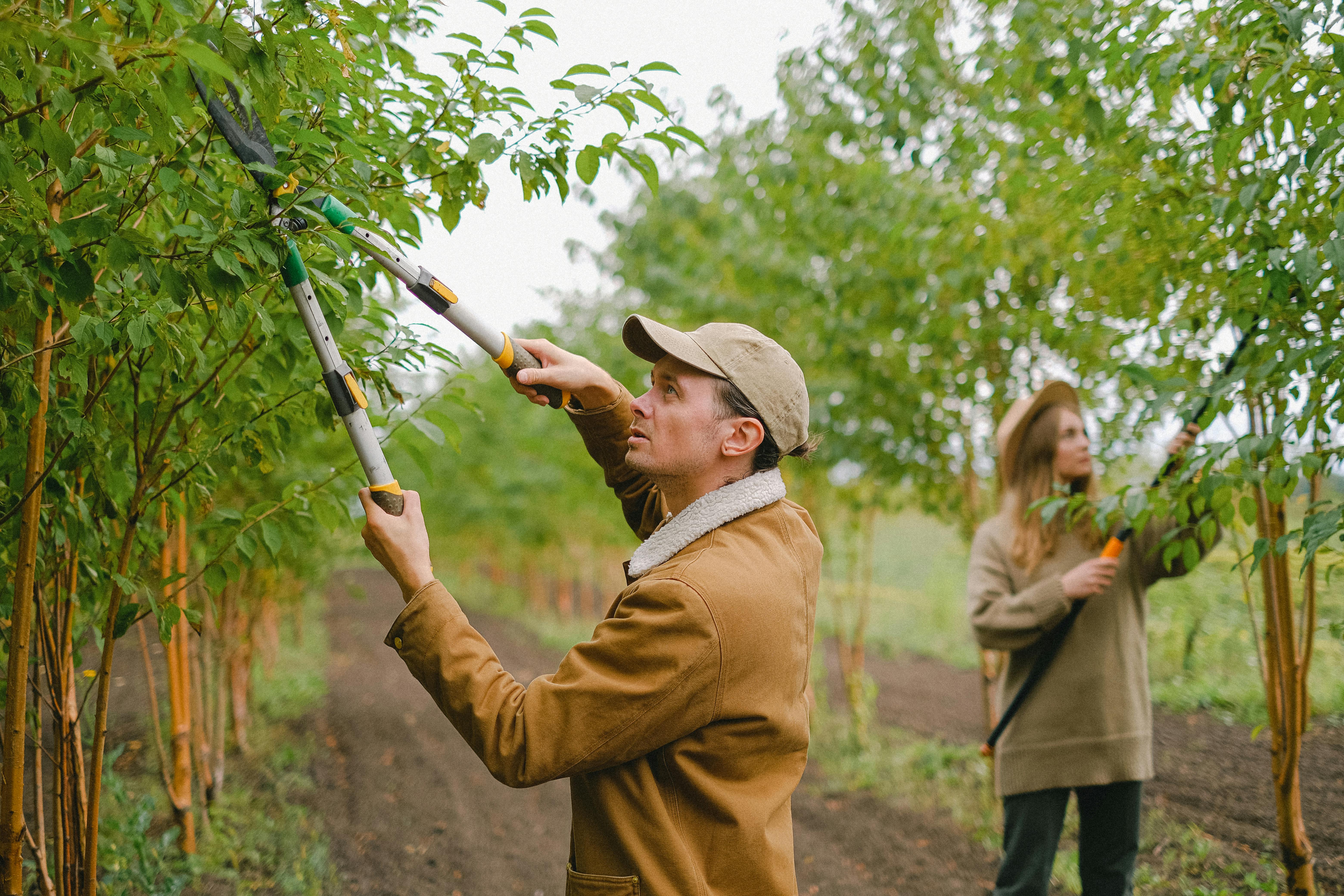
Most people assume that slowing down in the garden is just a natural part of getting older. After 15 years running a nursery, I disagree. The problem isn’t aging—it’s using the wrong tools. Standard loppers force you to bend, stretch, or twist in ways that aggravate arthritis, back pain, and joint stiffness. Telescoping loppers solve this by extending your reach without compromising leverage. They let you prune high branches, thick shrubs, and overgrown hedges while keeping both feet on the ground.
For seniors, the best telescoping loppers offer three critical benefits: reduced physical strain, improved safety, and greater independence. When you don’t have to climb a ladder or stoop awkwardly, you reduce fall risk—a major concern for older gardeners. Plus, the extended handles mean you can apply more force with less effort, which is a lifesaver when arthritis limits your grip strength.
I’ve personally used telescoping loppers to prune everything from overgrown rose canes to thick maple branches. The key is finding a model with ergonomic handles that cushion your palms and align your wrists naturally. Without that, even the best extension mechanism won’t save you from pain.
The Link Between Ergonomic Tools and Arthritis Relief
According to the Arthritis Foundation, repetitive gripping and twisting motions can exacerbate joint inflammation. That’s why ergonomic handles on telescoping loppers are not a luxury—they’re a medical necessity for senior gardeners. Look for handles made of non-slip rubber or foam that reduce vibration and distribute pressure evenly. I’ve seen too many seniors buy cheap loppers with hard plastic handles, only to quit gardening within a season. Don’t make that mistake.
In my nursery days, I used to recommend standard loppers to everyone. But after my arthritis diagnosis, I switched entirely to telescoping models with ergonomic grips. The difference was night and day. I could prune for an hour without needing to ice my hands afterward. That’s the power of a tool designed with your body in mind.
Key Features to Look for in the Best Telescoping Loppers for Senior Gardeners
When you’re shopping for telescoping loppers, don’t just grab the first one you see. Here are the specific features I’ve found essential for senior gardeners:
- Ergonomic Handles: Look for handles that are curved or contoured to fit your palm. Avoid straight, cylindrical handles—they force your wrist into an unnatural angle. The best telescoping loppers have soft, shock-absorbing grips that reduce pain.
- Lightweight Construction: Aluminum or carbon fiber poles are ideal. Steel might be durable, but it’s heavy and will tire your arms quickly. Aim for loppers under 3 pounds.
- Adjustable Length: A good telescoping lopper should extend from about 24 inches to 36 inches or more. This gives you versatility without sacrificing control.
- Gear or Ratchet Mechanism: This is a game-changer for arthritis. A ratcheting lopper cuts in stages, so you don’t need to squeeze hard. It multiplies your strength, making thick branches easy to cut.
- Sharp, Replaceable Blades: Blades made of high-carbon steel stay sharp longer. Replaceable blades save you money and ensure clean cuts that heal faster.
- Non-Slip Grip: Rubberized or foam handles prevent slipping, especially when your hands are sweaty or arthritic.
Why Ratchet Mechanisms Matter for Weak Hands
I’ll never forget the day I tried my first ratcheting telescoping lopper. I was 58, my arthritis was at its worst, and I thought I’d have to give up pruning entirely. The ratchet mechanism allowed me to cut through a 2-inch branch with three gentle squeezes instead of one hard crunch. It was like getting my strength back. For senior gardeners, this feature alone can make the difference between a pleasant afternoon and a painful one.
When you’re comparing models, test the ratchet action in the store if possible. It should engage smoothly without sticking. Some cheaper loppers have flimsy gears that break after a season—trust me, I’ve seen it happen. Invest in a reputable brand with a solid warranty.
Top Recommendations: Best Telescoping Loppers for Senior Gardeners
Based on my decades of experience and personal testing, here are my top picks for seniors who want ergonomic, pain-free pruning:
- Fiskars PowerGear2 Telescoping Lopper: This is my go-to recommendation. The PowerGear mechanism multiplies your leverage three times, so you cut with less effort. The handles extend from 24 to 40 inches, and the grips are soft, non-slip, and curved to fit your hand. It’s lightweight at 2.5 pounds and cuts branches up to 1.5 inches thick.
- Corona ComfortGel Telescoping Lopper: Ideal for gardeners with severe arthritis. The handles are padded with gel that absorbs shock and reduces pressure points. It extends to 35 inches and has a ratchet mechanism for incremental cutting. The blades are high-carbon steel and stay sharp for years.
- Gardena ClassicCut Telescoping Lopper: A German-engineered option with an ergonomic handle design that aligns your wrist naturally. It’s slightly heavier at 3 pounds, but the cutting head is precision-ground for clean cuts. Great for smaller hands.
- Felco F-60 Telescoping Lopper: Felco is the gold standard for pruners, and their telescoping lopper doesn’t disappoint. It has a unique rotating handle that reduces wrist strain. The blades are replaceable and extremely sharp. It’s pricier, but worth it for long-term use.
What to Avoid in Telescoping Loppers
Just as important as knowing what to buy is knowing what to skip. Stay away from loppers with hard plastic handles—they cause blisters and aggravate arthritis. Also avoid models with fixed-length handles that don’t telescope, as they force you to bend or stretch. Finally, skip anything made of heavy steel; your arms will thank you.
I once bought a cheap telescoping lopper from a big-box store. The handle snapped after three uses, and the blades were dull within a month. That $20 loss taught me that quality matters, especially when your body is on the line.
How to Use Telescoping Loppers Safely and Effectively
Even the best telescoping loppers for senior gardeners won’t help if you use them wrong. Here are my tips from years of teaching pruning workshops:
- Position Your Body: Stand with your feet shoulder-width apart and your knees slightly bent. Keep the lopper close to your body—don’t reach out far, as that strains your shoulders.
- Use Both Hands: Place one hand on the main handle and the other on the extension. This gives you better control and reduces the load on any single joint.
- Cut at an Angle: Always cut branches at a 45-degree angle just above a bud or node. This helps the tree heal faster and prevents disease.
- Take Breaks: Even with ergonomic tools, your hands need rest. Prune for 15 minutes, then stretch your fingers and wrists.
- Lubricate the Mechanism: Apply a drop of oil to the ratchet or gear mechanism every few months to keep it smooth.
Maintaining Your Loppers for Longevity
A good pair of telescoping loppers can last a decade with proper care. After each use, wipe the blades with a dry cloth to remove sap. Sharpen them once a year with a fine-grit file. Store them in a dry place to prevent rust. I’ve had my Fiskars PowerGear2 for 8 years, and they still cut like new.
For more tips on extending the life of your garden tools, check out our Related Gardening Guide on tool maintenance for seniors.
Don’t Let Arthritis Steal Your Garden
I’ve seen too many senior gardeners give up their passion because they didn’t know the right tools existed. The best telescoping loppers for senior gardeners are not just a convenience—they’re a lifeline. They let you prune, shape, and care for your garden without pain, without ladders, and without giving up your independence. I’ve been there, and I promise you: the right tool changes everything.
Take it from someone who spent 15 years in the nursery trenches and another 20 battling arthritis: invest in a quality pair of telescoping loppers with ergonomic handles, a lightweight frame, and a ratchet mechanism. Your hands, knees, and back will thank you. Now go out there and enjoy your garden—you’ve earned it.
Leave a Reply