Best Fabric Raised Garden Beds for Seniors: Lightweight and Portable
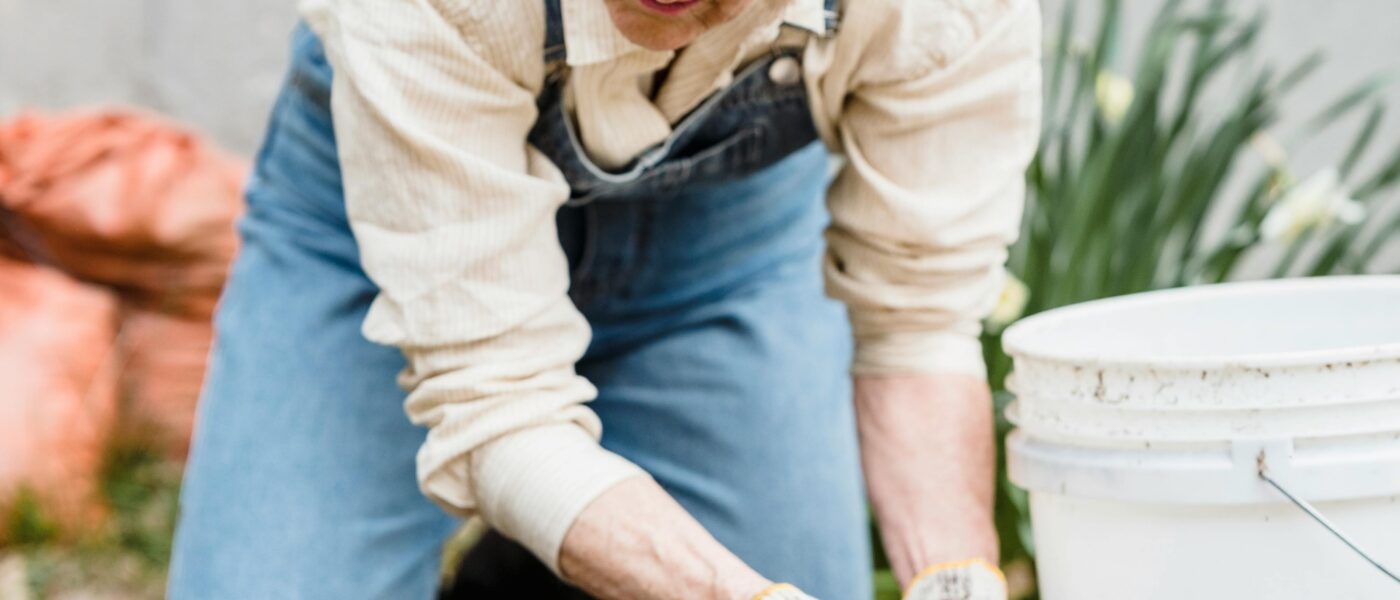
For years, I watched customers struggle with heavy wooden beds that required annual staining, rot repair, and heavy lifting. My own arthritis made weeding and watering a chore. Fabric raised beds solved this. They’re lightweight—often under 5 pounds—and portable, meaning you can move them to chase sunlight or avoid harsh weather. This is crucial for seniors who might travel or need to adjust their garden layout as mobility changes.
Another hidden benefit: fabric beds “breathe.” The porous material prevents waterlogging, a common problem in wooden beds that leads to root rot. This is especially helpful for seniors who can’t bend over to check soil moisture daily. The fabric naturally regulates drainage, reducing the risk of overwatering.
Top Benefits for Seniors with Limited Mobility
- Lightweight Construction: Most fabric beds weigh less than 10 pounds empty, making them easy to reposition. I can lift one with one hand, even with my arthritis.
- Portability: If you’re away for a week or two, simply move the bed into a shaded area or near a water source. No need to abandon your garden.
- No Assembly Required: Unlike wooden kits, fabric beds come ready to use. Unfold, fill with soil, and plant. This saves your hands and back.
- Improved Drainage: The fabric prevents standing water, which is critical for seniors who can’t frequently monitor moisture levels.
- Weed and Pest Control: Many fabric beds have a built-in barrier that blocks weeds and some pests from underneath.
- Easy Storage: When not in use, fold them flat. Perfect for small patios or seasonal gardeners.
What to Look for in a Fabric Raised Bed
Material Quality
Not all fabric is equal. Look for heavy-duty polypropylene fabric, often UV-treated. This resists degradation from sun exposure and can last 3-5 years. Avoid thin, non-woven fabrics that tear easily. I’ve tested dozens of brands, and the best ones feel like thick canvas but are waterproof.
Size and Height
For seniors, height matters. A 12-inch high bed is manageable for most, but if you have back issues, consider 18-inch tall beds. These reduce bending to a minimum. Width should be no more than 4 feet so you can reach the center from either side without stretching. I recommend 2×4 feet or 3×6 feet for easy access.
Handles and Portability
Look for reinforced handles or straps. These allow you to drag the bed to a new location without lifting. Some models have grommets for tying down in windy areas. This is a game-changer for seniors who move beds seasonally.
Drainage and Airflow
The best fabric beds have a porous bottom that allows roots to “air prune.” This encourages healthier root systems and prevents circling roots. Avoid beds with a solid plastic liner—they defeat the purpose of fabric.
My Top Recommendations for Seniors

Based on my years of testing, here are three fabric beds that stand out for seniors:
1. VivoSun 2x4x12-inch Fabric Raised Bed
This is my personal favorite for portability. It weighs under 3 pounds empty, has sturdy handles, and is UV-resistant. The 12-inch height is ideal for most seniors. It’s also affordable, making it a great starter bed.
2. Smart Pot 3x6x18-inch Raised Bed
If you need extra height to avoid bending, this is the one. The 18-inch depth allows for deep-rooted vegetables like tomatoes or peppers. The fabric is thick and durable, and it comes with a 5-year warranty. I’ve had mine for 4 years with no signs of wear.
3. Gardeners Supply Company Bed
This brand focuses on ergonomics. Their beds have wide, padded handles and a rigid frame that keeps the shape without sagging. The fabric is treated for mildew resistance, which is great for humid climates. It’s pricier but worth the investment for long-term use.
How to Set Up and Maintain Your Fabric Bed
Setting up a fabric raised bed is simple, even for seniors with limited hand strength. Follow these steps:
- Choose a Level Spot: Avoid slopes to prevent uneven soil distribution. If needed, use a small level.
- Unfold and Position: Place the bed where you want it. No tools required.
- Fill with Soil: Use a lightweight potting mix, not heavy garden soil. I recommend a 50/50 mix of compost and perlite for drainage.
- Water Thoroughly: The fabric will absorb water initially, so water slowly to prevent runoff.
- Plant and Mulch: Add a layer of mulch to retain moisture and reduce weeding.
Maintenance is minimal. At the end of the season, empty the soil, fold the bed, and store it indoors. If you leave it outside in winter, the fabric may crack in freezing temperatures. I always store mine in a shed.
Common Mistakes Seniors Make with Fabric Beds
- Overfilling with Soil: Fabric beds expand slightly when filled, but don’t overfill. Leave 2 inches at the top to prevent soil from spilling.
- Ignoring Wind: Fabric beds are lightweight and can blow away in strong winds. Use stakes or tie-downs if you live in a windy area.
- Using Heavy Soil: Garden soil compacts in fabric beds, reducing drainage. Always use a lightweight potting mix.
- Not Rotating Crops: Even in fabric beds, soil-borne diseases can build up. Rotate crops yearly or replace the soil every 2-3 years.
Why Fabric Beds Solve the “I’m Away” Problem
One of the biggest frustrations for senior gardeners is leaving their plants unattended. With fabric beds, you can easily move them to a neighbor’s house or a community garden if you’re traveling. The portability means you’re not tied to one location. I’ve even taken mine to a friend’s backyard for a month while I visited family. Simply drain the excess water, fold, and transport in a car trunk.
Additionally, fabric beds dry out faster than wooden ones, so if you’re away for a week, your plants won’t sit in soggy soil. This reduces the risk of root rot and fungal diseases. Just water deeply before you leave, and they’ll survive for 5-7 days without attention.
Final Thoughts from a Seasoned Gardener
I never thought I’d trade my wooden raised beds for fabric, but my arthritis forced me to adapt. Now, I can garden comfortably for hours without pain. Fabric raised beds are not just a compromise—they’re an upgrade for seniors who want to keep growing without the heavy lifting. Whether you’re a beginner or a lifelong gardener, these beds offer freedom, portability, and ease.
Remember, gardening should bring joy, not pain. Choose a fabric bed that fits your needs, and you’ll be surprised how much you can achieve without straining your body. Happy planting!
Leave a Reply