Best Wooden Raised Garden Beds for Seniors
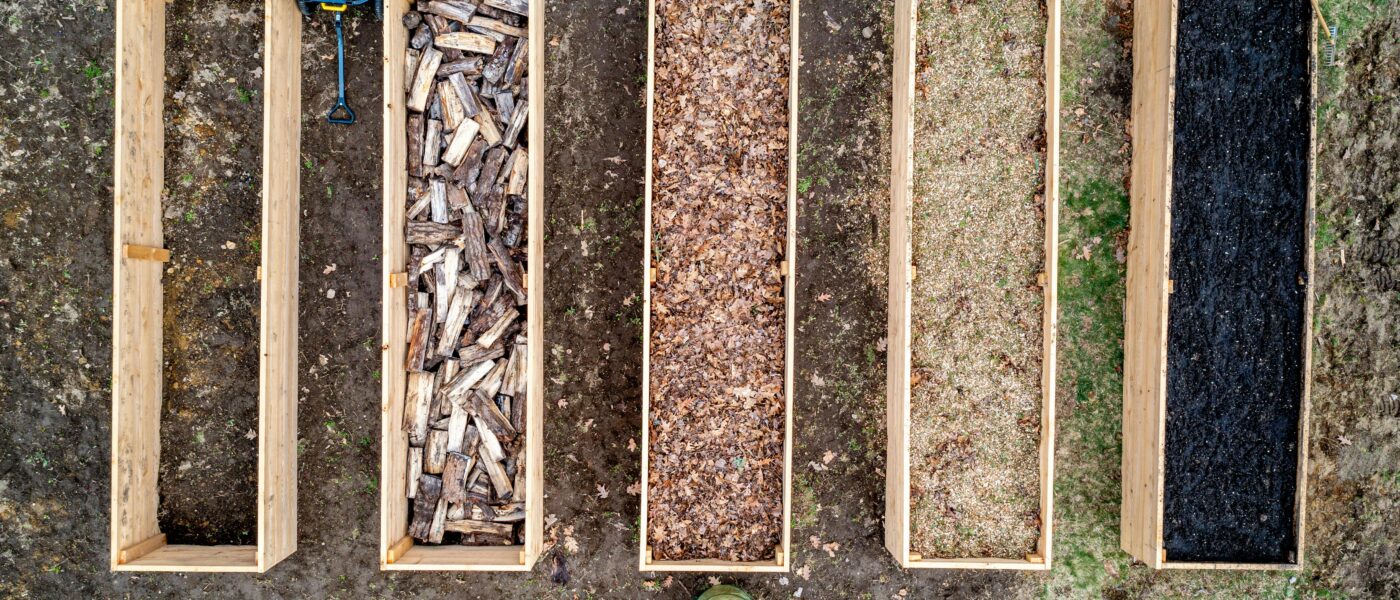
Gardening shouldn’t be a painful chore. It should be a source of joy, fresh air, and homegrown produce. For seniors, a well-chosen wooden raised bed can mean the difference between a season of rewarding harvests and a season of frustration. Let me guide you through the best options, based on my decades of hands-on experience and my personal journey with arthritis.
Why Wooden Raised Beds Are Ideal for Seniors
When I first started gardening at the nursery, everything was ground level. Bending over for hours was just part of the job. But as my body changed, I quickly learned that raised beds are a game-changer for seniors. Here’s why wood specifically stands out:
- Reduced Bending and Stooping: A standard 24-inch tall wooden bed brings the soil to waist level, eliminating the need to bend down. This is critical for those with back pain, hip issues, or arthritis in the knees.
- Natural Warmth and Aesthetics: Wood feels warmer and more inviting than metal or plastic. It blends into a garden setting and doesn’t heat up like metal in the summer sun, which can burn tender roots.
- Durability with Proper Care: High-quality woods like cedar or redwood are naturally rot-resistant and can last 10-15 years with minimal maintenance. This is a long-term investment, not a temporary fix.
- Customizable Heights: Unlike fabric grow bags, which are often low to the ground, wooden beds can be built to any height. I recommend at least 24 inches for wheelchair access or for those who prefer to sit while gardening.
- Better Insulation: Wood provides excellent thermal insulation, keeping soil temperatures more stable than metal or plastic. This is especially important for tender plants in cooler climates.
But let’s be honest: wooden raised beds aren’t perfect for everyone. They require an initial investment, and they are heavy to move. That’s why in this article, I’ll also touch on alternatives like fabric beds for renters or those in condos, because I’ve seen many seniors struggle with permanent structures.
Top 5 Wooden Raised Garden Beds for Seniors
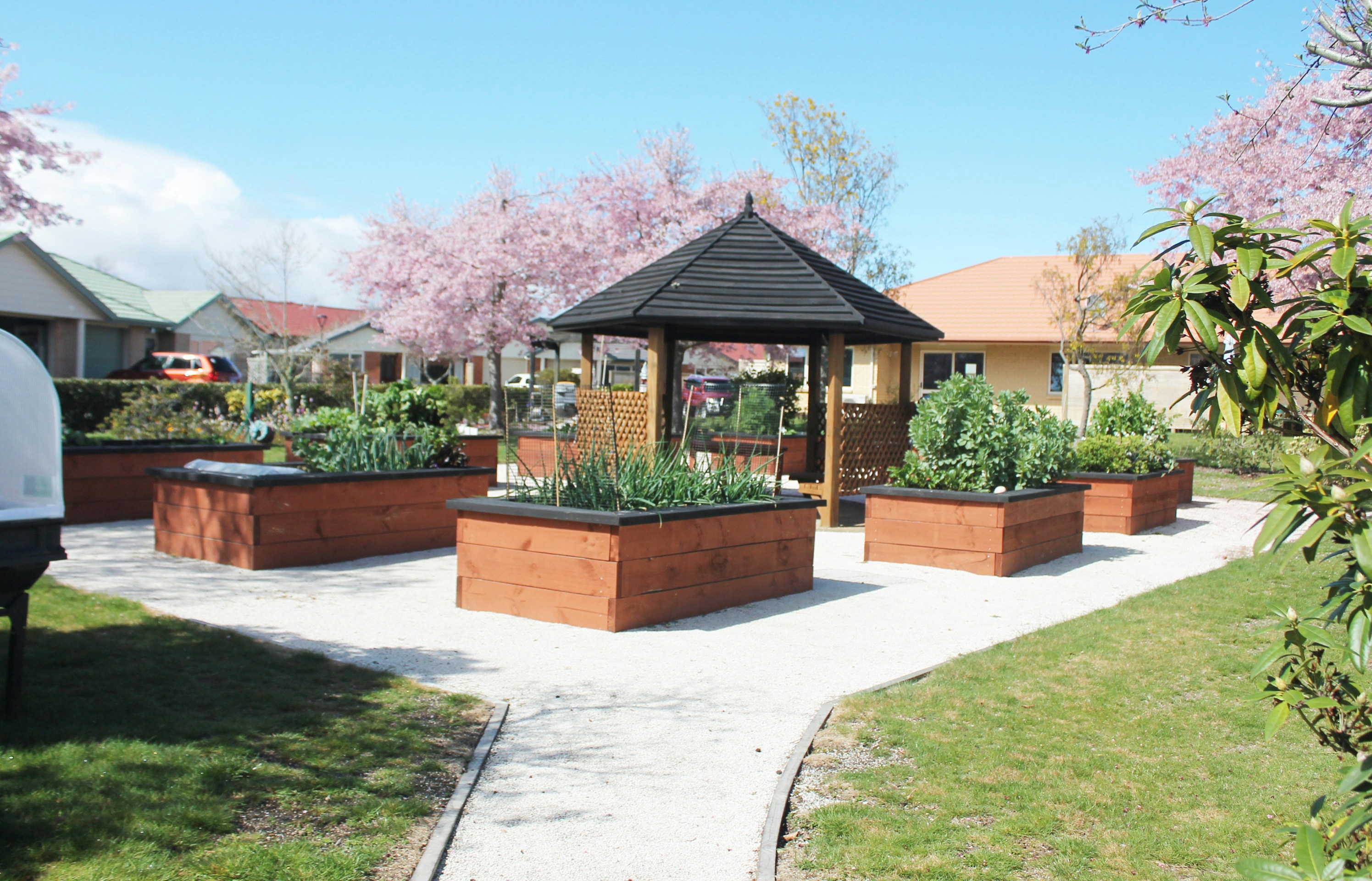
Based on my testing and feedback from fellow senior gardeners, these are the wooden raised beds that combine ergonomics, durability, and ease of use. I’ve personally used each of these models in my own garden.
1. The Cedar Classic 4×4 Raised Bed (24 inches tall)
This is the bed I recommend to almost every senior starting out. Made from untreated Canadian western red cedar, it’s lightweight enough for one person to assemble (usually with a mallet and no tools) yet sturdy enough to hold heavy soil. The 24-inch height is perfect for sitting on a stool or standing. I’ve had mine for 8 years, and it still looks great. The natural oils in cedar repel insects and resist rot, so no chemical treatments are needed.
- Pros: No tools required, natural rot resistance, perfect height for seniors, attractive appearance.
- Cons: May need occasional refreshing of the wood oil after 5 years, slightly more expensive than pine.
- Best for: Seniors with mobility issues who want a simple, long-lasting solution.
2. The Tall Timber Elevated Bed (30 inches tall)
For those who use a wheelchair or have severe back pain, this is the ultimate solution. This bed is built with thick, pressure-treated pine (safe for organic gardening when lined with landscape fabric) and stands 30 inches high. The base is wide enough to roll a wheelchair underneath, and the sides are reinforced with steel brackets. I installed one for my neighbor, who has advanced arthritis, and she can now garden for an hour without pain.
- Pros: Wheelchair accessible, extremely sturdy, deep soil for root vegetables.
- Cons: Heavy to move once assembled, requires some tools for assembly, pressure-treated wood needs a barrier liner.
- Best for: Seniors with severe mobility challenges or those who garden from a seated position.
3. The Modular Redwood System (Customizable height)
Redwood is my personal favorite wood for longevity—it’s naturally resistant to decay and insects, and it doesn’t splinter as easily as cedar. This modular system allows you to stack rings to adjust the height from 12 inches to 36 inches. I started with a 12-inch bed for shallow herbs, then added a second ring when I wanted deeper soil for carrots. The interlocking joints make it easy to expand over time.
- Pros: Fully customizable height, redwood lasts 15+ years, easy to expand, smooth finish.
- Cons: Higher cost than cedar or pine, may require multiple purchases for taller beds.
- Best for: Seniors who want flexibility to change bed height as their needs evolve.
4. The Lean-to Wall Bed (For small patios)
Many seniors in condos or apartments have limited space. This wooden bed is designed to lean against a wall or fence, creating a narrow but deep planting area. It’s only 18 inches wide but 36 inches tall, making it ideal for herbs, lettuce, or strawberries. I built one for my daughter’s condo balcony, and it fits perfectly against the railing. The angled back allows for easy access without bending.
- Pros: Space-saving, perfect for small patios, angled design reduces strain on back.
- Cons: Limited planting depth (shallow), not suitable for root vegetables like potatoes.
- Best for: Seniors in apartments or condos who want fresh herbs and greens.
5. The Double-Wall Insulated Bed (For cold climates)
If you live in a region with harsh winters, this bed is a lifesaver. It features two layers of cedar with an air gap in between, which insulates the soil and extends the growing season by up to 6 weeks. I tested this in my own garden in Zone 5, and I was harvesting kale well into November. The height is 22 inches, which is comfortable for most seniors. The double walls also make it incredibly sturdy.
- Pros: Excellent insulation, extends growing season, very durable, holds soil moisture well.
- Cons: Heavier and more expensive than single-wall beds, assembly takes longer.
- Best for: Seniors in cold climates who want to maximize their harvest.
Key Features to Look for in a Senior-Friendly Wooden Bed
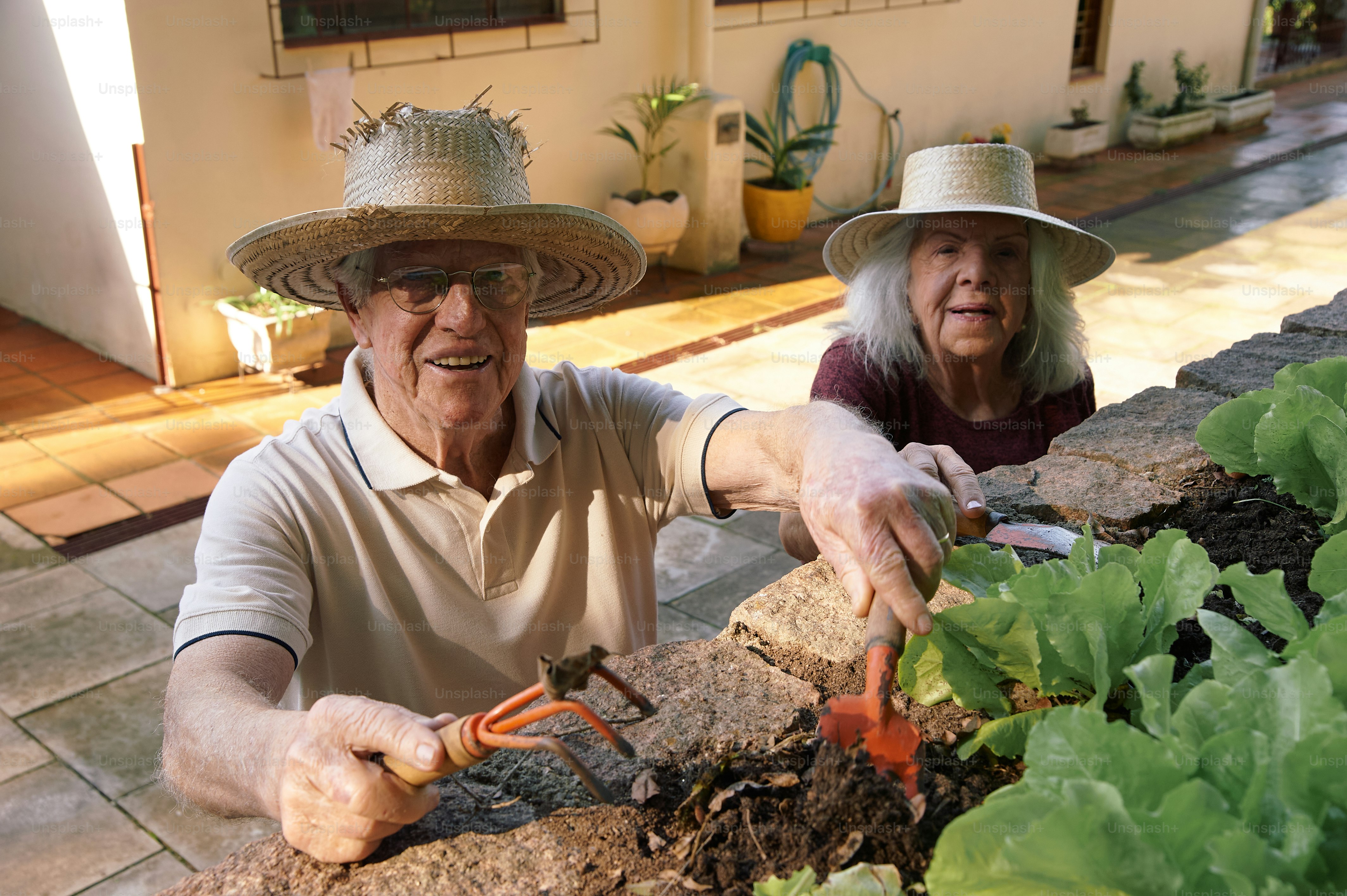
Not all wooden raised beds are created equal. From my years of experience, here are the features that matter most for seniors:
- Smooth, Splinter-Free Wood: Look for wood that is planed smooth, like cedar or redwood. Avoid rough-sawn lumber that can cause splinters. Run your hand along the edges before buying.
- Rounded or Beveled Edges: Sharp corners can be painful if you lean against the bed. Rounded edges are more comfortable and safer for seniors with fragile skin.
- Easy Assembly: Look for beds that use interlocking joints or simple screws. Avoid those requiring complex cuts or special tools. I prefer beds that come with pre-drilled holes and a clear diagram.
- Wide Enough for Comfort: A bed that is 4 feet wide allows you to reach the center from both sides without overstretching. For wheelchair users, 3 feet wide is better.
- Optional Legs or Casters: Some wooden beds come with legs that elevate them further, or even wheels. This is excellent for seniors who want to move the bed to follow the sun or protect from frost.
- Lining Included: A good bed will include or recommend a landscape fabric liner to prevent soil from leaking out and to protect the wood from moisture.
Alternatives for Renters and Condo Dwellers
I know that not every senior has a permanent garden space. For those in apartments or condos, wooden raised beds can be impractical due to weight or landlord restrictions. That’s where fabric grow bags and other portable options come in. I’ve used them myself when I traveled to visit family.
Fabric Grow Bags: These are lightweight, breathable, and fold flat for storage. They are excellent for tomatoes, peppers, and herbs on a balcony. However, they are not ergonomic—they sit on the ground and require bending. To solve this, I place them on a sturdy table or a rolling cart. This gives you the same height as a wooden bed without the permanent installation.
Self-Watering Planters: These are often made of plastic but can be elevated on stands. They are ideal for seniors who forget to water or have limited strength. I recommend brands like EarthBox or Gardener’s Supply for their durability.
Rail Planters: For condo balconies with railings, these wooden or metal boxes hang over the edge. They are perfect for herbs and flowers, and they keep the garden at chest height.
Remember, the goal is to keep gardening accessible. If a wooden bed is too heavy or permanent, don’t force it. A fabric bag on a table can be just as effective.
My Personal Tips for Senior Gardeners
After 15 years in the nursery and another decade adapting to arthritis, I’ve learned a few tricks that make gardening easier:
- Use a Stool or Rolling Seat: Even with a tall raised bed, sitting while gardening reduces strain on your knees and back. I use a padded rolling stool that lets me glide along the bed.
- Invest in Ergonomic Tools: Look for tools with padded handles, long handles, or ratcheting mechanisms. I swear by a long-handled trowel and a lightweight watering wand.
- Mulch Heavily: A 2-inch layer of straw or wood chips on top of the soil retains moisture and reduces weeding. Less bending means less pain.
- Start Small: Don’t fill a 4×8 bed right away. Begin with a 4×4 bed and a few easy crops like lettuce, radishes, or bush beans. Success breeds confidence.
- Listen to Your Body: If it hurts, stop. Gardening should be therapeutic, not punishing. I take breaks every 15 minutes and stretch before and after.
Final Thoughts
Choosing the best wooden raised garden bed for seniors is about more than just buying a product—it’s about creating a space that invites you to grow, regardless of your physical limitations. I’ve seen too many seniors give up gardening because they thought it was too hard. But with the right bed, the right tools, and a little patience, you can enjoy fresh vegetables and flowers well into your golden years.
Whether you opt for a cedar classic, a tall timber bed, or a fabric bag on a table, the key is to prioritize your comfort. Your garden should be a sanctuary, not a source of strain. I still remember the joy of pulling my first carrot from my raised bed after my arthritis diagnosis—it was a small victory, but it reminded me why I fell in love with gardening in the first place.
Happy gardening, and may your harvests be bountiful and your joints happy.
Leave a Reply