Best Garden Hori Hori Knives for Seniors: A Surprisingly Useful Tool
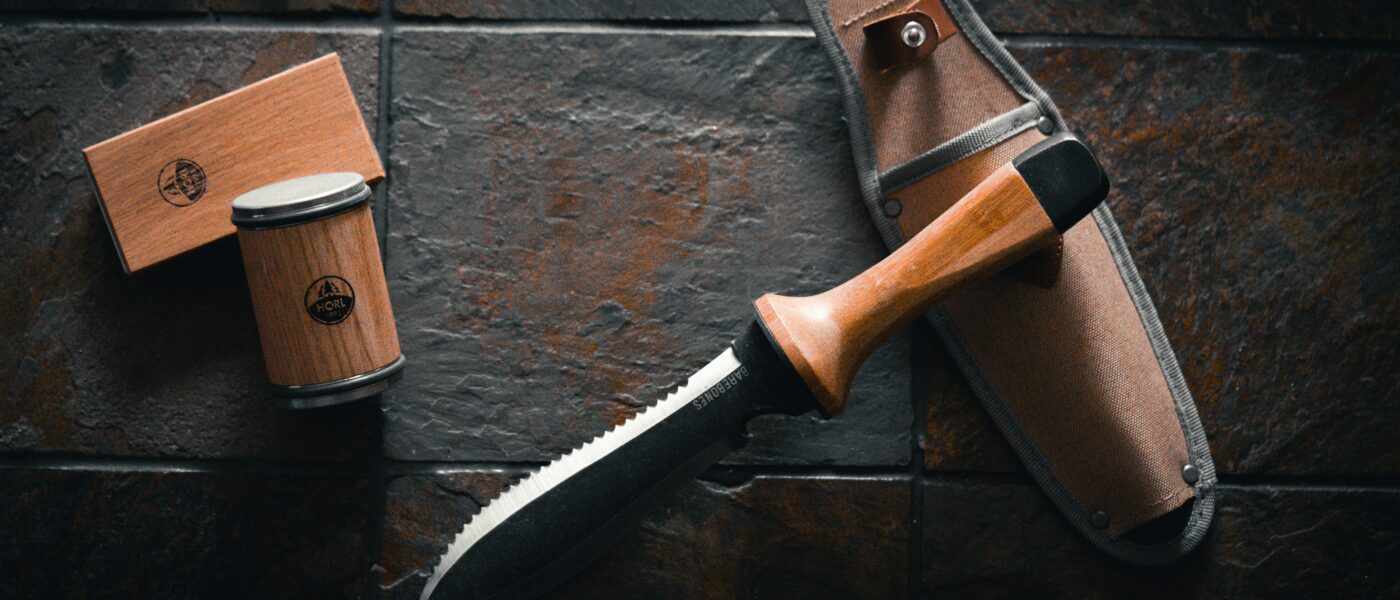
Facing the reality of arthritis in my hands, I learned something crucial: gardening doesn’t have to end when your joints complain. One tool that surprised me—and continues to surprise my senior gardening friends—is the hori hori knife. This Japanese digging knife, originally used for harvesting wasabi, has become my go-to for weeding, planting, cutting, and measuring. In this article, I’ll share why it’s a game-changer for seniors, how to choose one that won’t aggravate arthritis, and my top recommendations based on decades of hands-on experience.
Why a Hori Hori Knife? The Ergonomic Advantage
When I first started gardening, I relied on trowels, hand forks, and pruners. But as arthritis crept into my knuckles, I noticed how these tools forced me into awkward wrist positions or required excessive grip strength. The hori hori knife changed that. Its long, narrow blade—typically 7 to 8 inches—lets you dig, cut, and pry with minimal wrist deviation. The serrated edge on one side cuts through roots and tough stems, while the straight edge slices through soil or twine. The knife’s weight is distributed along the blade, reducing the strain on your fingers. For seniors, this means less pain and more time in the garden.
I remember one spring, after a particularly wet season, my hands were so stiff I could barely hold a trowel. A fellow master gardener handed me a hori hori, and I was amazed at how easily I could pop out dandelions without bending over repeatedly. That moment convinced me: this tool isn’t just useful—it’s essential for aging gardeners.
Key Features for Seniors: What to Look For
Not all hori hori knives are created equal. After testing dozens over the years, I’ve identified specific features that make them senior-friendly. Here’s what to prioritize:
Handle Design
- Ergonomic shape: Look for a handle with a contoured grip that fits your hand’s natural curve. Avoid straight, cylindrical handles that force a tight fist.
- Material: Rubber or thermoplastic elastomer (TPE) handles offer cushioning and resist slipping, even with sweaty or arthritic hands. Wood handles can be beautiful but may become slippery when wet.
- Length: A longer handle (5 to 6 inches) provides better leverage and reduces the need to grip tightly. Short handles (3 inches) require more finger strength.
Blade Quality
- Stainless steel: High-carbon stainless steel resists rust and stays sharp longer. Avoid cheap carbon steel that can snap under pressure.
- Serrated edge: A serrated side is crucial for cutting roots and fibrous stems. A straight edge is fine for slicing but less versatile.
- Thickness: A blade around 2–3 mm thick offers durability without adding excessive weight. Thicker blades (4 mm) are heavier and harder to control.
Weight and Balance
- Total weight: Aim for 5 to 8 ounces. Heavier knives (over 10 ounces) tire the wrist and forearm quickly.
- Balance point: The knife should feel balanced—not blade-heavy or handle-heavy. Hold it in your hand before buying if possible.
Safety Features
- Sheath: A sturdy sheath is non-negotiable for seniors. It protects your fingers during storage and transport. Look for a locking mechanism or a snug fit.
- Blunt tip: Some models have a slightly rounded tip, which reduces the risk of accidental stabs when reaching into tight spots.
Top 5 Hori Hori Knives for Seniors (Based on Personal Testing)
Over the past decade, I’ve used these knives in my own garden and recommended them to students in my ergonomic gardening workshops. Here are my top picks, ranked for comfort and durability:
1. Nisaku NJP650 Hori Hori Knife
Best overall for arthritis. This classic Japanese model features a TPE handle with a slight curve that fits my hand perfectly. The blade is high-carbon stainless steel with a serrated edge on one side and a straight edge on the other. At 7.5 ounces, it’s light enough for all-day use. The included leather sheath is secure but easy to open. I’ve used mine for three seasons, and the edge holds well. The only downside is the price—around $35—but it’s a lifetime investment.
2. Fiskars Ergo Hori Hori Knife
Best for grip strength. Fiskars designed this with a soft, rubberized handle that has finger grooves. It’s slightly heavier (8.2 ounces) but well-balanced. The blade is stainless steel with a serrated edge. I appreciate the ergonomic handle that reduces hand fatigue during repetitive tasks like weeding. However, the sheath is plastic and can loosen over time. At $25, it’s a great value.
3. Barebones Living Hori Hori Knife
Best for lightweight use. This knife weighs only 5.5 ounces, making it ideal for seniors with weak wrists. The handle is made from walnut wood, which is beautiful but can be slippery. I recommend adding a rubber grip tape. The blade is 4 mm thick, which is a bit thin for heavy digging, but it excels at cutting roots and slicing through soil. The leather sheath is handmade and sturdy. Price: $40.
4. A.M. Leonard Hori Hori Knife
Best budget option. At $18, this knife offers surprising quality. The handle is a simple plastic composite, but it has a contoured shape that helps reduce strain. The blade is stainless steel with a serrated edge. It’s a bit heavier (9 ounces), so I only recommend it if you have moderate hand strength. The sheath is nylon with a Velcro closure, which is easy to use but not as durable as leather.
5. Hori Hori Knife by KINGLAKE
Best for safety. This model features a blunt tip and a locking sheath. The handle is rubberized with a non-slip texture. The blade is 7 inches long and 2 mm thick, making it light (6 ounces). It’s perfect for seniors who worry about accidental cuts. The serrated edge cuts through roots easily, and the straight edge works well for planting. Price: $22.
How to Use a Hori Hori Knife Safely as a Senior
Even with the best tool, technique matters. Here are my tips from years of teaching ergonomic gardening:
- Use your whole arm, not your wrist. When digging or cutting, keep your wrist straight and use your shoulder and forearm muscles to generate force. This reduces stress on arthritic joints.
- Work at waist height. If possible, use a raised bed or kneeling pad to avoid bending over. A hori hori’s long blade allows you to reach down without hunching.
- Cut, don’t twist. For tough roots, use the serrated edge in a sawing motion. Twisting the blade can strain your hand and wrist.
- Store safely. Always return the knife to its sheath immediately after use. I keep mine in a designated pocket in my garden apron to avoid fumbling.
- Sharpen regularly. A dull blade requires more force. Use a fine-grit sharpening stone or a ceramic rod every few weeks. Many seniors find this easier with a mounted sharpener.
Seasonal Timing: When to Buy and Use
This article is designed to help you prepare before spring or fall planting. Here’s why timing matters:
- Spring: Order your hori hori knife in late winter or early spring, before the soil warms up. This gives you time to practice using it on indoor seedlings or light weeding. By April, you’ll be ready for heavy planting.
- Fall: Purchase in late summer for fall planting. The hori hori is excellent for dividing perennials, cutting back dead growth, and planting bulbs. The serrated edge handles tough autumn roots with ease.
- Off-season: If you miss the seasonal rush, consider buying during winter sales. Many garden retailers discount tools in January and February.
Common Mistakes Seniors Make (And How to Avoid Them)
- Buying too heavy a knife. I’ve seen seniors struggle with 12-ounce knives thinking they’re “sturdy.” Stick to 5–8 ounces.
- Ignoring the sheath. A poor-quality sheath can lead to cuts when reaching into a tool bag. Invest in a locking leather sheath.
- Using it for prying. A hori hori is not a crowbar. If you encounter a large rock, use a different tool to avoid bending the blade or straining your hand.
- Not cleaning after use. Soil and sap can corrode the blade. Rinse with water, dry thoroughly, and oil the blade occasionally.
A Tool That Grows With You
Gardening doesn’t have to be a young person’s hobby. With the right tools, seniors can enjoy the same joy of digging, planting, and harvesting—without the pain. The hori hori knife has become my constant companion, whether I’m weeding my raised beds or planting bulbs for next spring. It’s a tool that adapts to your changing body, not the other way around.
If you’re a senior gardener or helping one, I encourage you to try a hori hori knife. Start with one of my top recommendations, practice safe techniques, and you’ll wonder how you gardened without it. After 40 years in the soil, I can honestly say this is one tool that truly earns its place in the garden.
Leave a Reply