Best Garden Weeders for Seniors: Stand-Up vs Long-Handle Compared
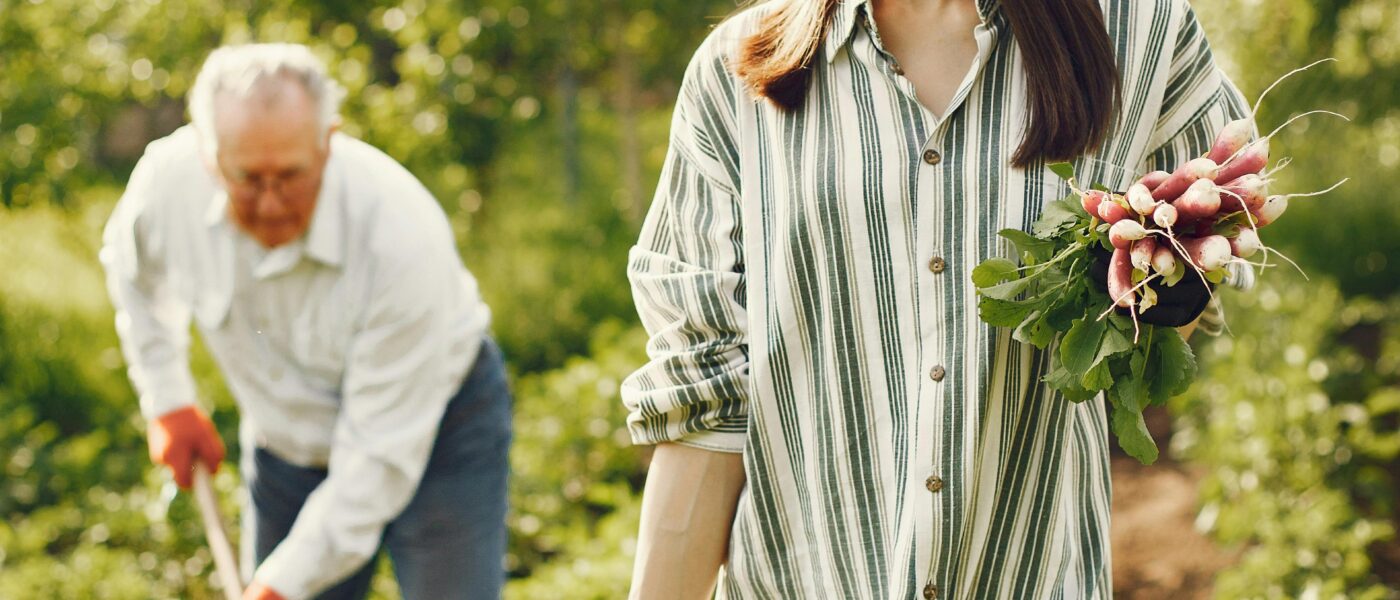
I spent countless hours on my knees, pulling bindweed and dandelions by hand. Then arthritis crept into my hands and knees, and the garden I loved became a source of pain. That’s when I shifted my focus to ergonomic gardening—tools that let you work smarter, not harder. Today, I’m sharing my hard-earned wisdom on two of the most effective weeding tools for seniors: stand-up weeders and long-handle weeders. Both are designed to reduce strain, but they serve different needs. Let’s break it down so you can choose the best weeder for your garden and your body.
Why Ergonomics Matter for Senior Gardeners
When I developed arthritis in my early 50s, I realized that traditional weeding tools—like short-handled hoes and hand trowels—were no longer viable. They forced me to bend, kneel, or grip tightly, which aggravated my joints. That’s why I focus on ergonomic tools with cushioned or foam grips. These features absorb shock, reduce hand fatigue, and allow a more natural wrist position. For seniors, the goal isn’t just to remove weeds; it’s to do so without pain. Both stand-up and long-handle weeders prioritize this, but they excel in different scenarios.
Stand-Up Weeders: The No-Bend Solution
Stand-up weeders, also known as step-and-pull weeders, are my top recommendation for seniors with back or knee issues. They feature a long shaft (usually 30-40 inches) with a cushioned foam grip at the top and a claw-like mechanism at the base. You simply place the claw over the weed, push down with your foot to drive the tines into the soil, and then pull the handle to extract the root. Here’s why I love them:
- Zero Bending or Kneeling: You remain fully upright, which is a game-changer for those with arthritis in the hips, knees, or lower back. I’ve used mine for years without a single ache.
- Effective on Taproots: The claw design grabs deep-rooted weeds like dandelions and thistles, pulling them out completely. This reduces regrowth.
- Foam Grips Reduce Strain: Most models now include thick, ergonomic foam handles that minimize hand fatigue. Look for those with a non-slip texture, especially if you have weak grip strength.
- Ideal for Lawns and Beds: Stand-up weeders work well in soft, cultivated soil. They’re less effective in hard-packed clay or rocky terrain.
Pro Tip from My Nursery Days: Always water the area lightly before using a stand-up weeder. Moist soil makes extraction easier and prevents the tool from slipping. I also recommend models with a foot pedal that’s wide enough to accommodate your shoe size—it provides better leverage.
Long-Handle Weeders: Versatile and Precise
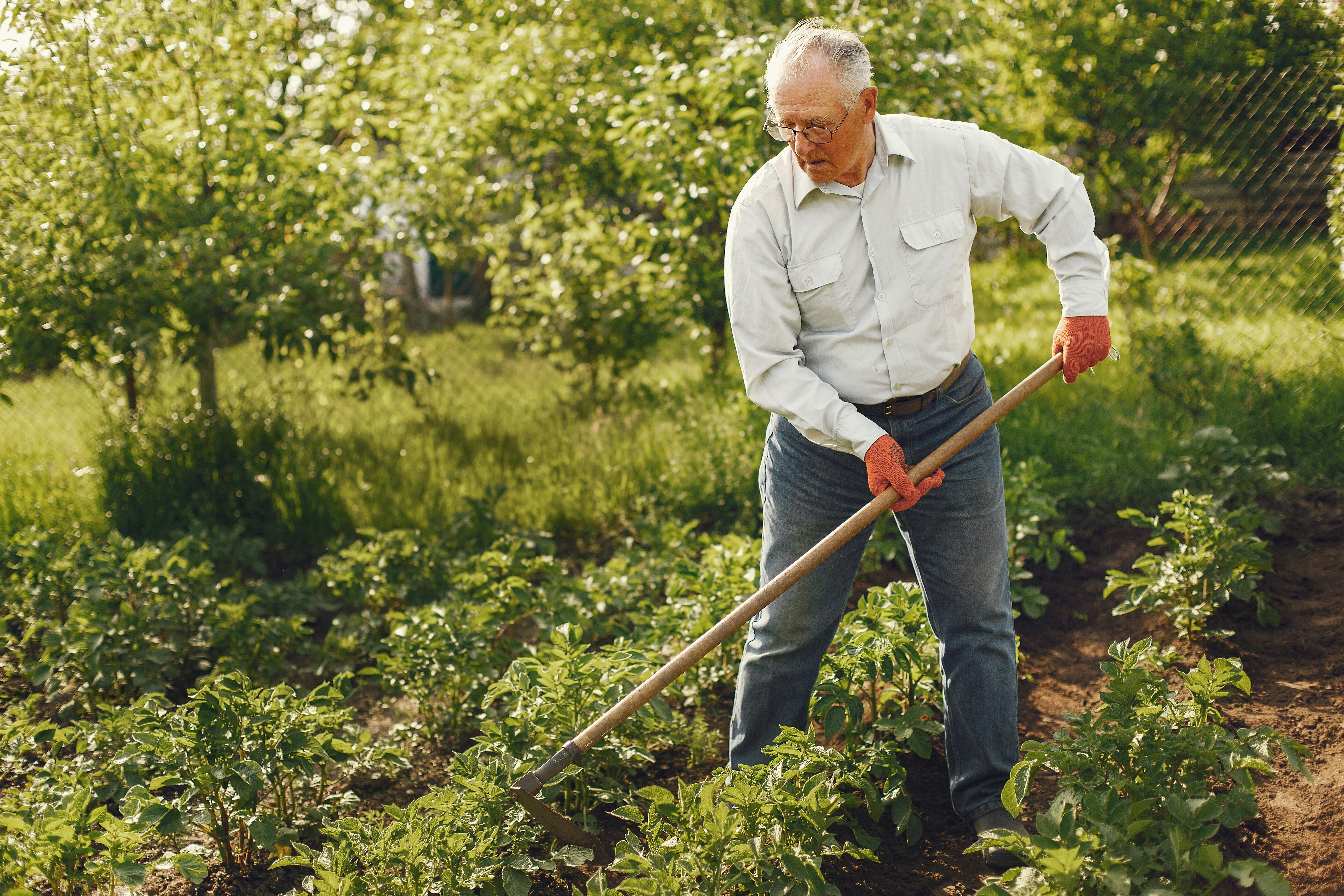
Long-handle weeders, including stirrup hoes, diamond hoes, and push-pull cultivators, are my second favorite category. These tools have a long handle (up to 60 inches) with a cushioned foam grip and a blade or tine attachment at the end. You use a gentle pushing or pulling motion to sever weeds just below the soil surface. They’re perfect for larger areas and shallow-rooted weeds. Here’s what sets them apart:
- Reduced Bending: The long handle keeps you upright, but you may need to lean slightly forward. This is less strain than kneeling but still requires core stability. I pair mine with a garden stool for extra support.
- Great for Bed Preparation: Long-handle weeders excel at cultivating soil and removing small, annual weeds like chickweed or crabgrass. They’re also excellent for aerating soil without heavy labor.
- Foam Grips Are Essential: The best models feature contoured foam grips that align with your hand’s natural curve. Avoid plastic or metal handles—they get slippery and cause blisters.
- Lightweight and Maneuverable: Most long-handle weeders weigh under 2 pounds, making them easy to swing. I recommend a model with a swivel head for reaching under plants.
My Personal Favorite: A long-handle stirrup hoe with a cushioned grip. I use it for daily maintenance in my vegetable garden. The back-and-forth motion is gentle on my shoulders, and the foam handle keeps my hands comfortable even after an hour of work.
Stand-Up vs Long-Handle: A Side-by-Side Comparison
To help you decide, here’s a quick comparison based on my 15 years of nursery experience and personal arthritis journey:
Best for Deep-Rooted Weeds
Winner: Stand-Up Weeder. Its claw mechanism extracts entire roots, including dandelions and thistles. Long-handle weeders only cut the top, so regrowth is common.
Best for Large Areas
Winner: Long-Handle Weeder. It covers more ground quickly, especially in vegetable beds or flower borders. The sweeping motion is efficient for shallow weeds.
Best for Joint Pain
Winner: Stand-Up Weeder. It requires no bending or kneeling, making it ideal for those with severe arthritis in the back, hips, or knees. The foam grip on the handle also reduces hand strain.
Best for Precision Work
Winner: Long-Handle Weeder. You can target specific weeds without disturbing nearby plants. This is useful in tight spaces or around delicate seedlings.
Best for Lightweight Use
Winner: Long-Handle Weeder. Most weigh less than stand-up models, which can be heavier due to the metal claw mechanism. If you have limited arm strength, a long-handle weeder is easier to manage.
Key Features to Look for in Ergonomic Weeders
When shopping for any weeder, prioritize these features to ensure comfort and effectiveness:
- Cushioned Foam Grips: Look for thick, non-slip foam that reduces vibration and pressure. Avoid tools with bare metal or hard plastic handles—they’re painful for arthritic hands.
- Adjustable Length: Some models offer telescoping handles. This is a blessing if you’re tall or short, as it prevents hunching.
- Lightweight Materials: Aluminum or fiberglass shafts are best. Steel is durable but heavy, which can tire your arms quickly.
- Easy-Grip Mechanisms: For stand-up weeders, a trigger-style handle is easier to squeeze than a traditional lever. For long-handle weeders, a D-shaped or T-grip reduces wrist strain.
- Durable Blades: Stainless steel or tempered carbon steel resist rust and stay sharp. Dull blades require more force, which aggravates joints.
Based on my decades of experience and personal battle with arthritis, I suggest starting with a stand-up weeder if you have significant joint pain or mobility issues. It’s the most forgiving tool for your body. If you’re still fairly active but want to prevent future strain, a long-handle weeder with a cushioned foam grip is an excellent daily companion. Many seniors, including myself, keep both in their shed: the stand-up weeder for stubborn deep-rooted weeds and the long-handle for routine maintenance.
Remember, the best weeder is the one you’ll actually use without pain. Invest in quality—it’s cheaper than a doctor’s visit. And always test the grip in store if possible. Your hands will thank you.
Leave a Reply