Best Ratchet Pruners for Seniors with Weak Hands
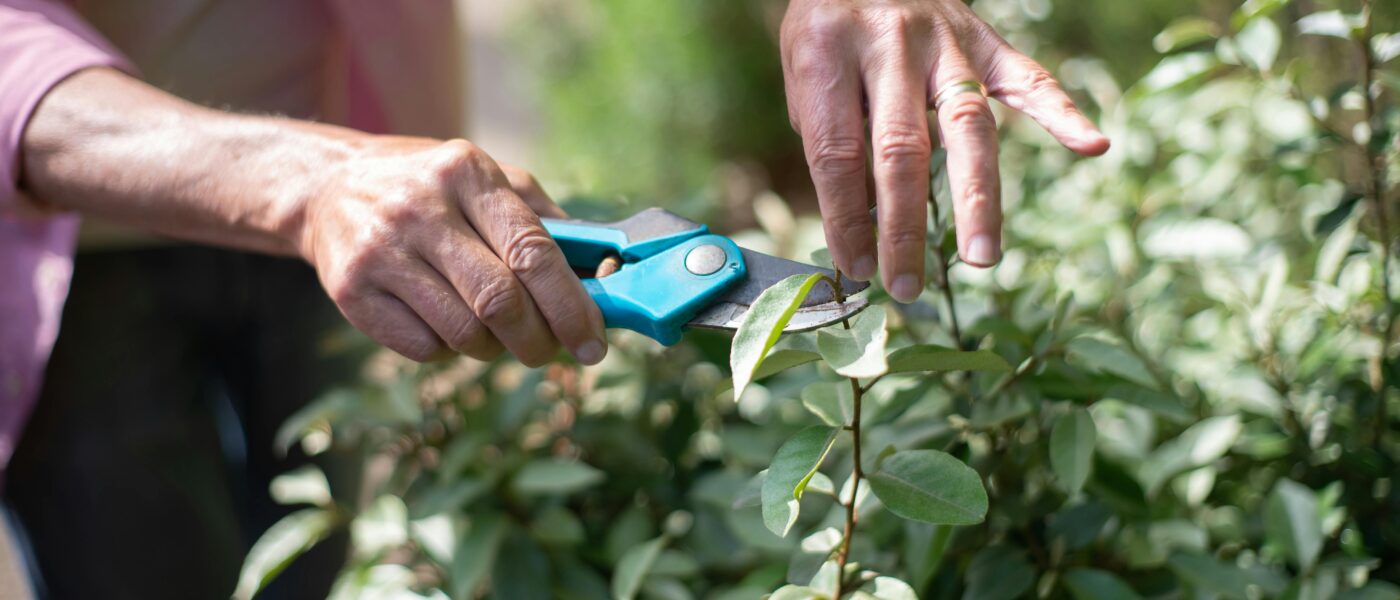
I’ve spent the last twenty years testing and adapting my own garden tools to manage my arthritis, and I’ve helped countless seniors find the right pruners to keep them gardening comfortably. In this guide, I’ll share what I’ve learned about choosing the best ratchet pruners for weak hands, with a special focus on the bypass versus anvil debate—a choice that matters more than you might think.
Why Ratchet Pruners Are Essential for Seniors with Weak Hands
Standard pruners require you to squeeze the handles hard enough to cut through a branch in one clean motion. For a gardener with arthritis, carpal tunnel, or simply reduced hand strength, that single squeeze can be painful or impossible. Ratchet pruners solve this problem by breaking the cutting action into smaller, manageable steps. Instead of one hard squeeze, you squeeze, release, squeeze again, and the blade advances a little more each time. This mechanical advantage means you can cut through branches up to ¾ inch thick with half the effort.
From my own experience, I can tell you that switching to ratchet pruners was like getting my garden back. I went from dreading pruning day to actually looking forward to it again. The key is choosing the right type for your specific needs.
Bypass vs. Anvil: Which Is Best for Seniors?
This is the most common question I get from seniors, and it’s a critical one. Both types of ratchet pruners have their place, but they serve different purposes. Let me break it down based on my decades of hands-on experience.
Bypass Ratchet Pruners: The Precision Choice
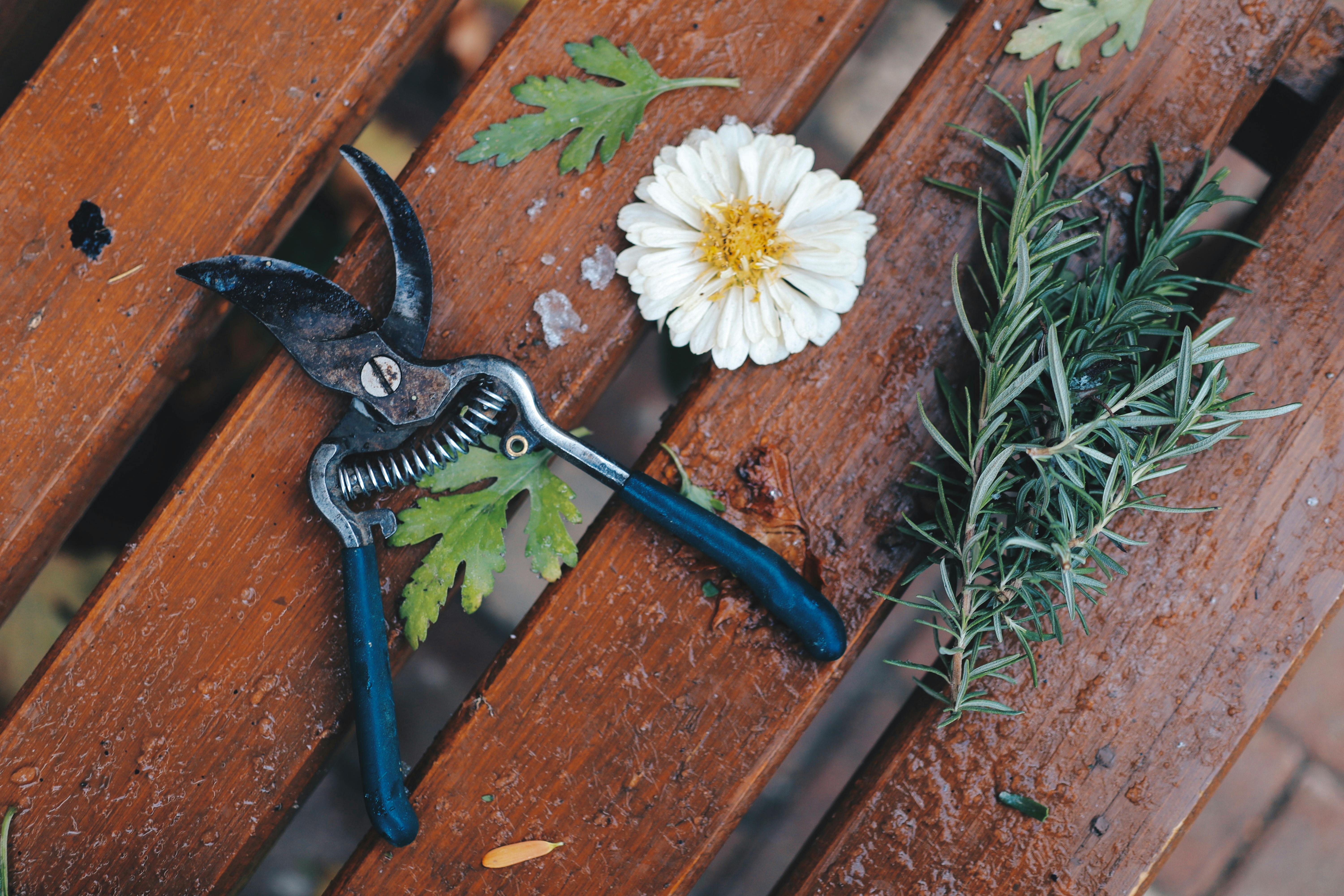
Bypass pruners work like scissors two curved blades slide past each other to make a clean, precise cut. They are the standard for most gardening tasks because they leave a clean wound that heals quickly. For seniors, bypass ratchet pruners are ideal for:
- Pruning live plants: Roses, shrubs, and perennials benefit from the clean cut that bypass blades provide. The cut is less likely to crush or damage the stem, reducing the risk of disease.
- Delicate work: If you’re deadheading flowers or trimming soft green growth, bypass is gentler on the plant and easier on your hands.
- General maintenance: For most garden tasks, bypass ratchet pruners are the most versatile option.
My personal advice: If you have arthritis and want one pruner that can handle 90% of your garden work, go with a bypass ratchet pruner. I use mine for everything from trimming my lavender to cutting back my rose bushes. The ratchet mechanism makes the cuts smooth and easy, even when my hands are stiff in the morning.
Anvil Ratchet Pruners: The Power Option
Anvil pruners have a single straight blade that cuts down onto a flat piece of metal (the anvil). This design is more like a knife on a cutting board. Anvil pruners are generally easier to squeeze because the blade meets the anvil with a crushing action rather than a sliding one. For seniors with very weak hands, anvil ratchet pruners can be a lifesaver. They are best for:
- Cutting dead or dry wood: Anvil pruners excel at cutting through tough, dead branches that would dull a bypass blade. The crushing action is actually beneficial here because it prevents the blade from slipping.
- Thick branches: If you need to cut branches up to 1 inch thick, anvil ratchet pruners often provide more leverage.
- Users with minimal hand strength: The ratchet mechanism combined with the anvil design requires the least grip strength of any pruner type.
My personal advice: I keep a pair of anvil ratchet pruners specifically for cutting dead wood from my old fruit trees. They save my hands from the extra effort. However, I don’t recommend them for live plants because the crushing action can damage tender stems and increase the risk of disease.
Top Features to Look for in Ratchet Pruners for Seniors
Based on my own trial and error (and a few painful mistakes), here are the features that make a ratchet pruner truly senior-friendly:
Ergonomic Handles
Look for handles with a non-slip, cushioned grip that fits comfortably in your hand. Rotating handles are a huge bonus because they reduce wrist strain. I swear by pruners with a 360-degree rotating lower handle, it lets my hand stay in a natural position while the tool does the work.
Lightweight Construction
Heavy tools are a burden for weak hands. Choose pruners made from lightweight aluminum or reinforced plastic. I’ve found that pruners weighing under 10 ounces are ideal for all-day use without fatigue.
Easy-Open Spring
A strong spring that opens the handles automatically after each squeeze is essential. This prevents you from having to manually open the pruners, which can be a struggle with arthritic fingers.
Replaceable Blades
Look for models with replaceable blades. Sharp blades require less effort to cut, and being able to swap them out extends the life of the tool. I always keep a spare set of blades in my shed.
Safety Lock
A simple, easy-to-use safety lock is a must. I prefer a push-button lock that I can operate with one hand, rather than a sliding mechanism that can be tricky for stiff fingers.
How to Use Ratchet Pruners Correctly (From Someone Who Learned the Hard Way)
Even the best tool won’t help if you use it wrong. Here are my tried-and-true tips for using ratchet pruners safely and effectively:
- Start with a light squeeze: Place the branch deep into the blade’s throat. Squeeze gently until you feel resistance. Release the pressure slightly, then squeeze again. Repeat until the cut is complete. The ratchet mechanism will click as you progress.
- Don’t force it: If the branch is too thick for your pruners, stop. Trying to force a cut can damage the tool and strain your hands. Use loppers or a saw instead.
- Keep blades clean and sharp: Wipe the blades with a cloth after each use. Sharpen them regularly or replace them when they become dull. A sharp blade cuts with less effort.
- Lubricate the mechanism: Every few months, apply a drop of oil to the pivot point and ratchet mechanism. This keeps the action smooth and easy.

After 15 years in the nursery business and another two decades adapting to arthritis, I have a clear favorite for most seniors: a bypass ratchet pruner with ergonomic rotating handles. This combination gives you the precision you need for healthy plants and the mechanical advantage you need for weak hands. I use mine every day, and they’ve never let me down.
If you primarily cut dead wood or have extremely limited hand strength, consider an anvil ratchet pruner as a secondary tool. But for the vast majority of garden tasks, bypass is the way to go.
Remember, gardening should bring you joy, not pain. Investing in the right tools is an investment in your health and happiness. I’ve seen too many seniors give up gardening because they thought they just couldn’t do it anymore. With ratchet pruners, you can keep pruning, deadheading, and shaping your garden for years to come.
Choose wisely, take care of your hands, and keep growing.
Leave a Reply